Life’s Erotic Dance5 (1)
A lost bet. An older man. A private dance.

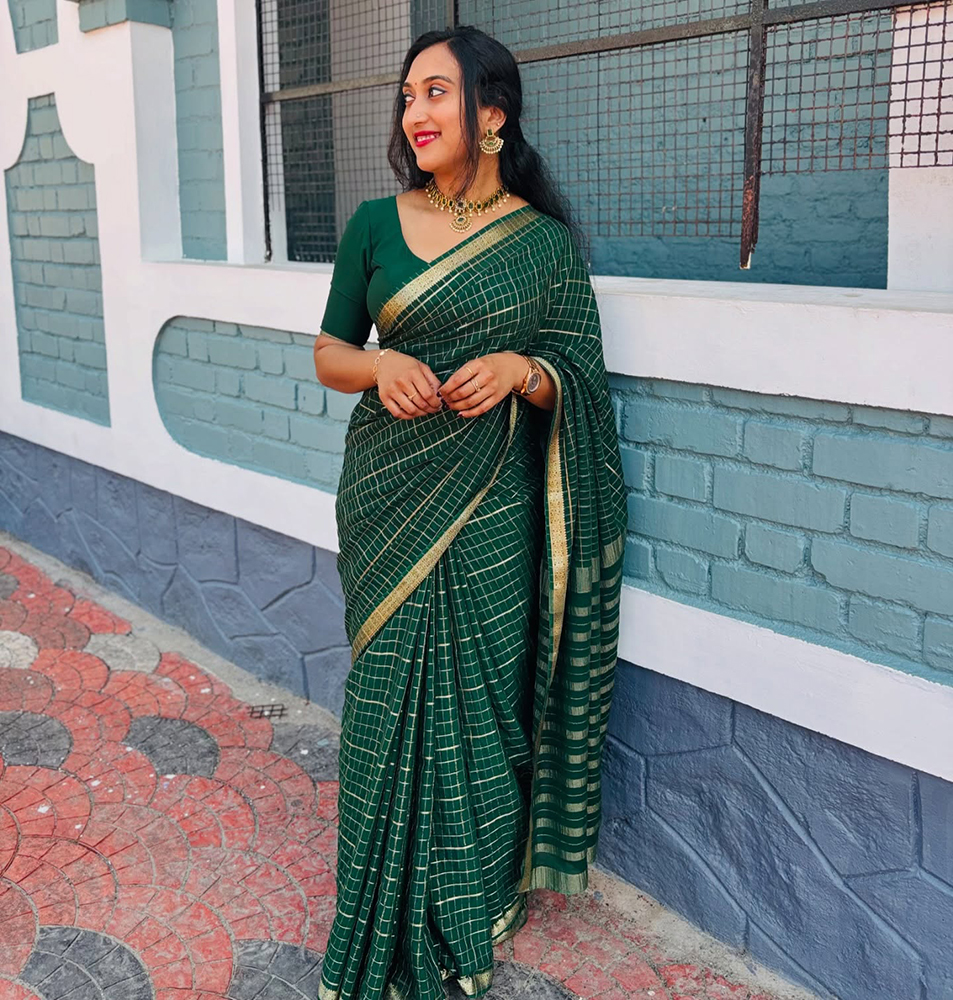
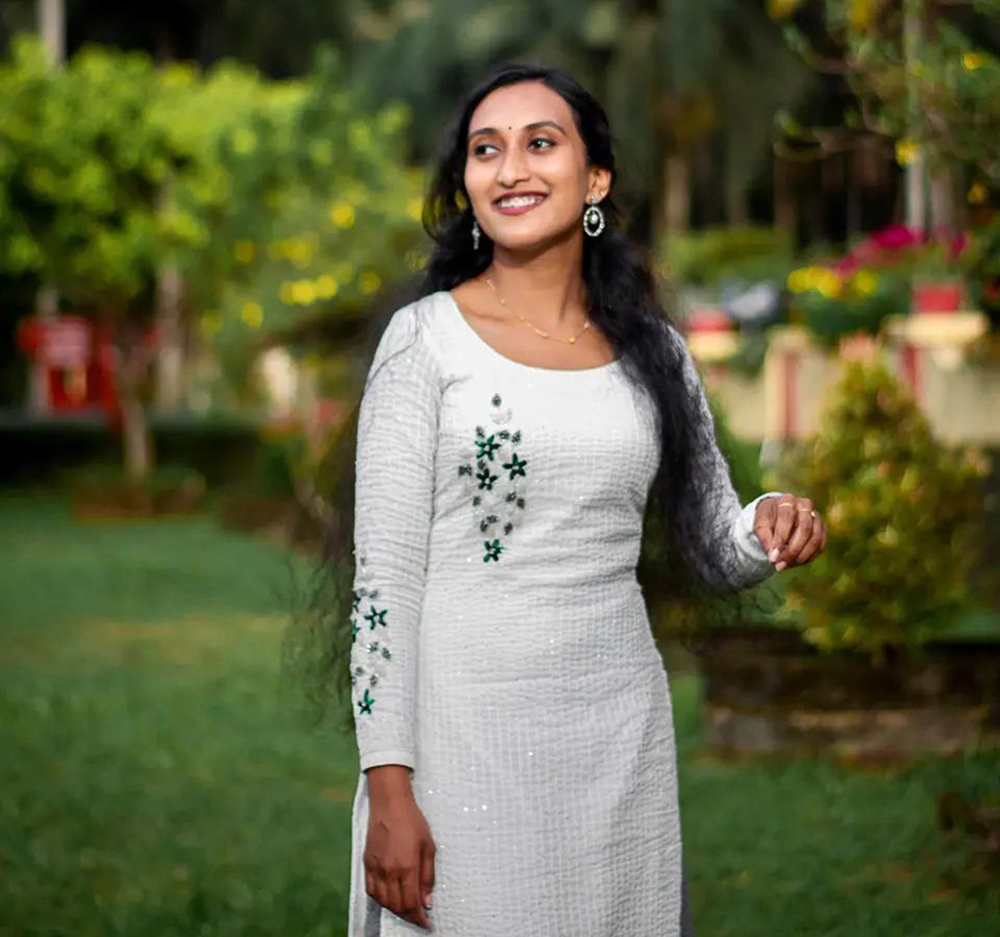
IN PICS: VYSHNAVY | CONTRIBUTED BY: UNNI (TELEGRAM)
FOR BEST EXPERIENCE, READ ON A COMPUTER OR LAPTOP
Some of my stories are loosely based on real-life incidents, but details are fictionalized. My stories involve unsafe sexual acts. I do not condone unprotected sex and recommend readers to always practice safe sex. The risk is not worth it. These are fantasies and meant for entertainment only. My stories are my hobby — an expression of my erotic side. I mean no disrespect to women featured in my stories. If you know the woman in the story, please write to me and the pictures will be taken down — no questions asked.
Happy reading!
The announcer is saying my name.
I can hear it through the green room wall — the syllables stretched the way they always are when someone reads off a printed programme, Va-yish-na-vi, the stress wrong, the beauty of it lost in translation — and underneath my name, rising, the applause. Two hundred people in that hall. I have performed for larger audiences and for smaller ones and the size has never mattered. What matters is whether they see you. Most of them won’t. Most of them will watch the costume and the jewellery and the mudras and go home having witnessed something technically impressive, which is not the same thing as having seen a dancer at all.
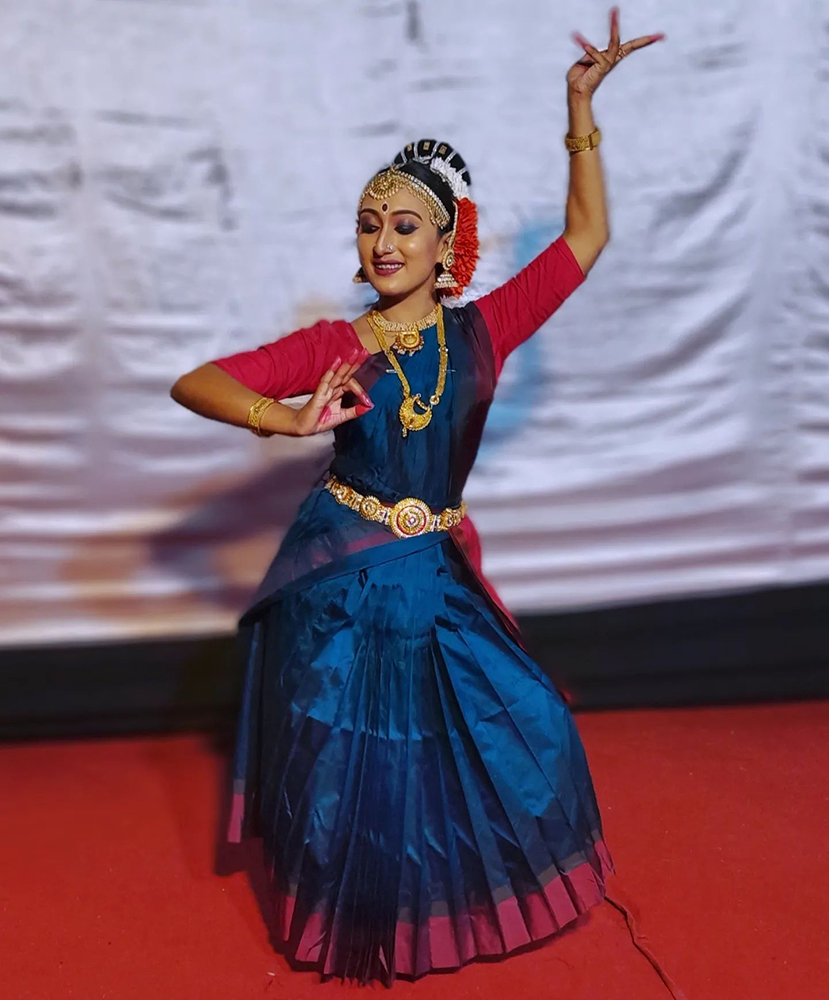
I tie the ghungroo around my left ankle first. Always left. Amma taught me that and I have never asked why; there are things you carry without asking why. The bells are heavy — two rows of brass on a padded leather strap, worn smooth where my fingers have gripped it hundreds of times, the leather the colour of old tea. I tie the knot with the same three loops I have used since I was nine years old and I stamp my foot once, hard, to feel the weight settle. The sound fills the wings. One stamp, and I am already someone else.
Right ankle next. I am concentrating on the knot and not concentrating on it, the way your hands know things your mind has forgotten, and that is when it comes — not a memory, exactly, more like a smell that takes you somewhere before you know you’ve arrived.
His hands on my wrists.
Not Unni’s hands. Not any hands that are supposed to be in this memory, in this life, in the three years that have stacked themselves neatly between that room and these wings. Sreejith sir’s hands. My first teacher’s hands, correcting a hasta in the third month of serious training, pressing my palm back until the angle was exact, his thumb at the base of my wrist where the pulse lives.
That was how it started. With a correction. With the vocabulary of instruction becoming something instruction was not supposed to be, so gradually I didn’t mark the crossing, couldn’t say now where the lesson ended and the rest of it began.
I knew what I was doing. That’s the thing I have never told anyone, not Amma, not the one friend I confided in and lost when she told her mother. I knew. I was eighteen then, and I had been dancing since I was seven. I understood what it meant when a man looked at you the way Sreejith sir had started looking at me in the fourth month. I understood and I chose and the choosing felt like the most alive I had been in my entire careful life.

I lost my virginity to him after a class when he asked me to stay back to discuss my future. When he touched my hand, I didn’t pull back. When he moved the stray strand of hair off my neck and his hand lingered on my shoulder, I leaned in to be kissed. By the time my clothes came off, I was dripping wet and his mouth had left its mark on the parts he was most interested in — my mouth, breasts and pussy.
He didn’t suggest a condom and I didn’t know any better. When he came in me, I felt special, loved that much more than his other students.
Amma’s face when she understood. That is the memory I carry. Not the room, not what happened in it, not the months of it — just her face, the quality of her disappointment, which was not anger. Anger would have been easier. It was grief. It was the face of a woman watching something she had worked for and prayed for and invested every ambition she couldn’t pursue herself dissolve in front of her, because her daughter had been careless with it.
Three weeks of silence. Then the photograph.
Unni’s face looked back at me from a four-by-six print, serious, in a collared shirt someone had ironed for the occasion. Decent. Uncomplicated. An IT professional from a good family with a maternal uncle who was a doctor, which Amma said approvingly as if this were a feature rather than a fact. The photograph was a prescription. I understood that too.
I did not know then that the career was finished. That came later, softly, a door closing one centimetre at a time until the day I realised it had been shut for months and I had been pretending not to notice. I did not know it standing in those wings, tying my ghungroo, smoothing the pleats of my red and gold skirt. I only knew that the applause was still going, that my name was in it somewhere, and that my body — whatever else it had done, wherever else it had taken me — knew exactly what to do next.
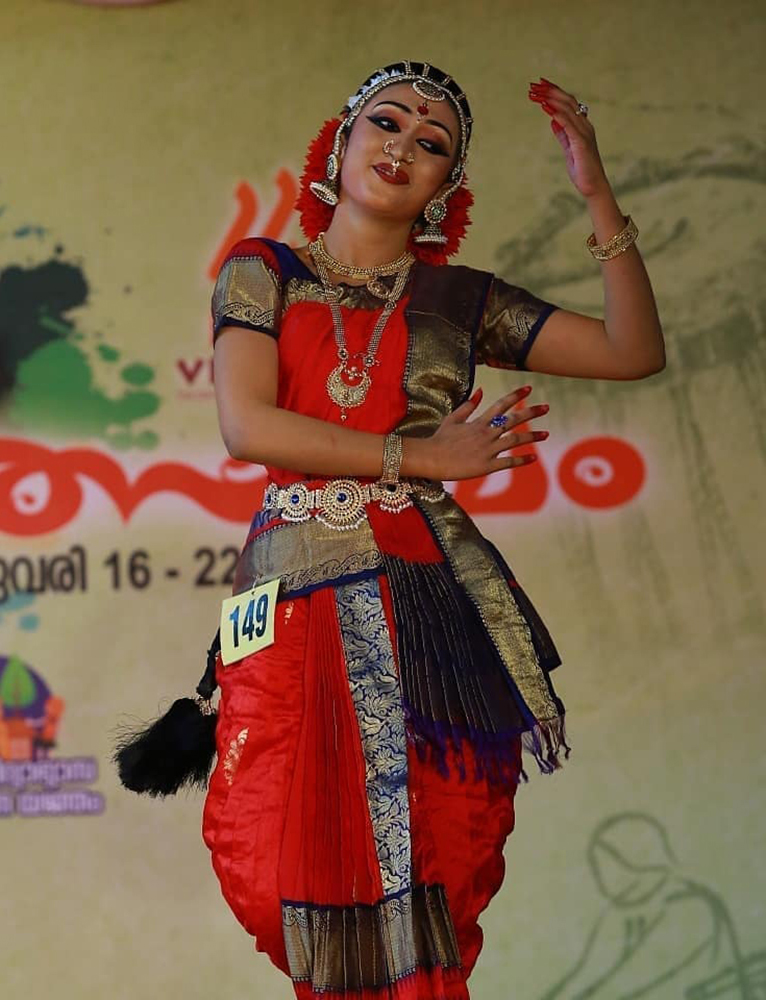
I stand. I adjust the gold belt at my waist, one finger checking the clasp at the back.
I press the kolam at the outer corner of my right eye, confirm it is clean.
The red silk sits heavy and right, the headpiece secure, the chandelier earrings brushing my jaw.
The jasmine in my hair is real — Amma’s insistence, always — and its smell cuts through the greasepaint and the sweat of the dancer who was on before me.
The applause peaks.
I walk out of the wings and into the light and the light hits me like a hand — warm, flat, total — and the sound of two hundred people rises to meet me and I feel my spine lengthen and my chin lift and my feet find the floor in the way they have been finding floors since I was seven years old, and for the length of this performance
I am not anyone’s daughter or anyone’s wife or anyone’s correction. I am only this.
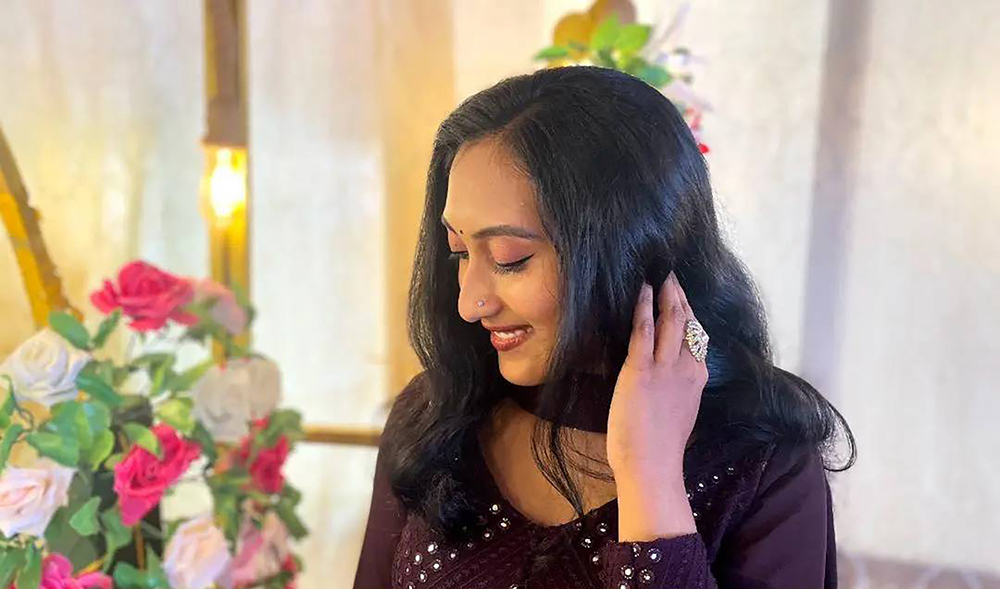
She steps out of the wings and every thought I’ve been having for the past forty minutes stops.
That is the only way I know how to describe it. Not that I forget what I was thinking — there was nothing to forget, just the low background noise of a middle-aged man sitting in a plastic chair in a concert hall in Thrissur waiting for his nephew’s fiancée to perform — but that stopping. The way a radio cuts to silence between stations. She walks into the light and the noise stops and there is only her.
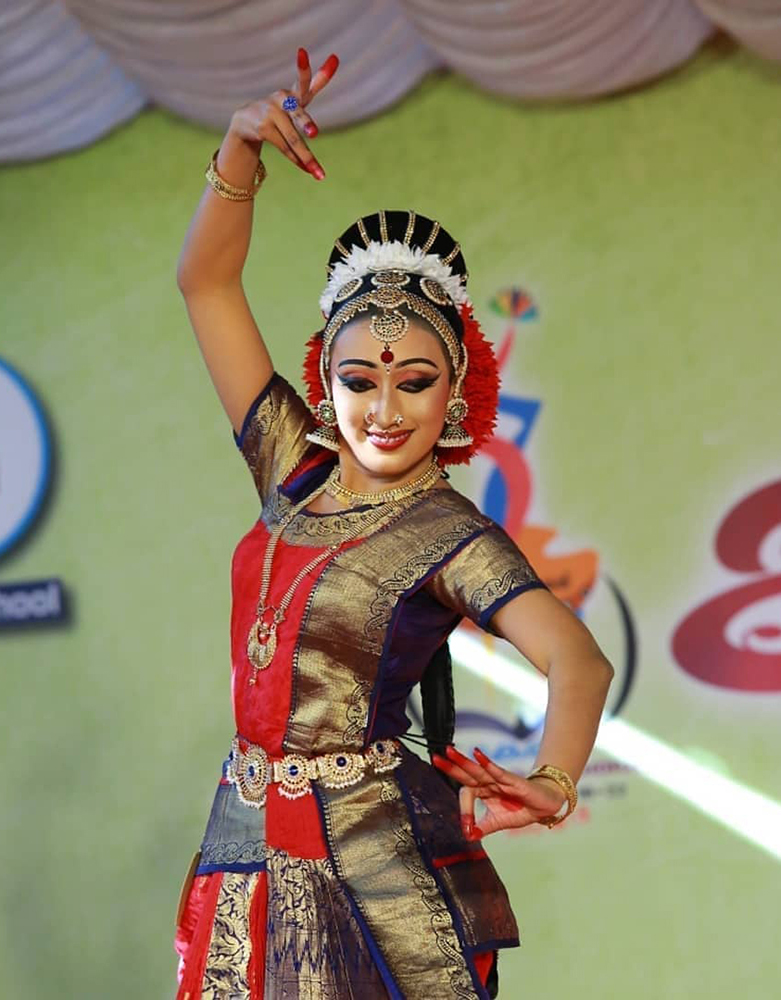
This is the third performance I’ve attended. The first was in Ernakulam, six months ago, two weeks after Unni brought her to meet the family. I told myself I was being supportive. The second was here, three months later, and by the end of the second I had stopped telling myself anything at all. Tonight I am not pretending. I bought the ticket three weeks ago and I sat in traffic for ninety minutes to get here and I am in the third row because the third row is close enough to see the sweat.
The red and gold costume catches the stage lights and throws them back doubled. The skirt is layered silk, deep red with a wide gold border, and it moves when she moves, which she does now — her first step, the ghungroo announcing it, the stamp sending the sound out to the back wall of the hall and returning it. She takes her position. Centre stage, feet in araimandi — knees bent outward, weight dropped, the posture that a Bharatanatyam dancer carries in her thighs and hips and never quite puts down — arms at their opening position, and I watch her breathe once before the music begins.
She is twenty-four years old. I am forty-six. I am a doctor. I am Unni’s mother’s brother, which makes me, in the calculus of Malayali family structure, something between an uncle and a father, a position of authority and affection that I have occupied my entire adult life with what I consider to be reasonable integrity. I know what I am doing sitting in the third row. I know what I am doing tracking her the way I am tracking her right now. I have made my peace with the knowing.
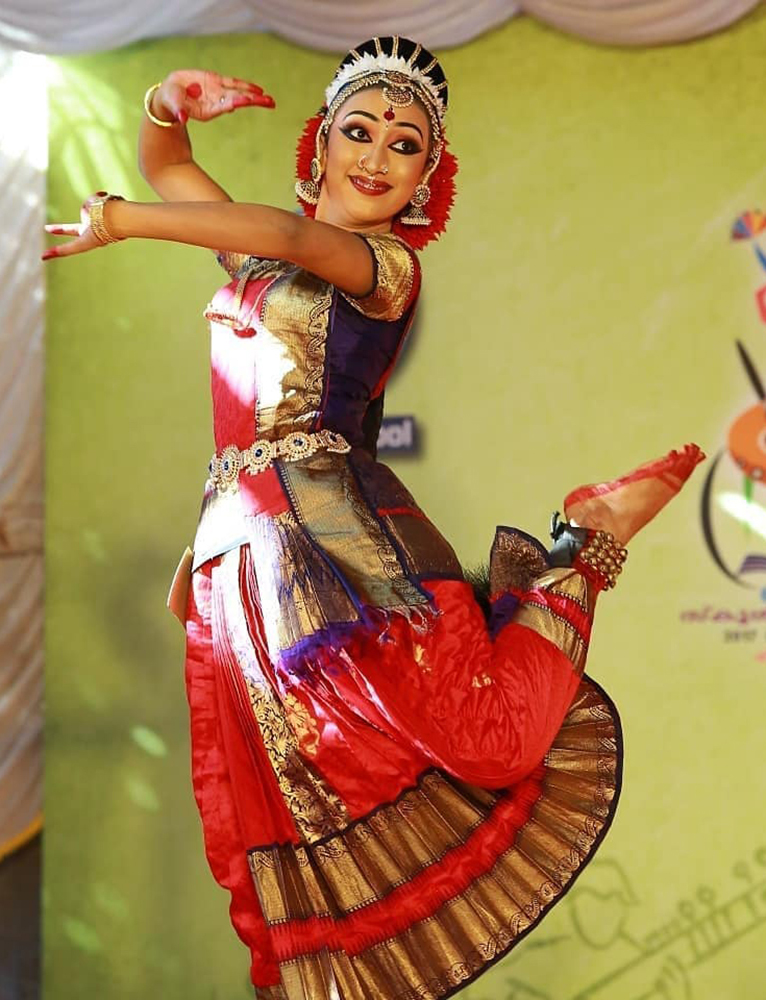
The music starts.
She moves and the watching becomes something I have to manage.
Her arms go up — the full extension, wrists turned, fingers in a mudra I couldn’t name but recognise as meaning something precise — and the movement pulls the bodice of her costume tight across her chest, and I can see the line of her, the valley between her breasts, the way the gold belt cinches everything below it. The skirt fans as she turns. The ghungroo are loud from here. When she stamps, the vibration reaches the third row through the floor.
There is sweat at her throat already, five minutes in — she runs warm, I have catalogued this across two performances and one family function and a wedding. The hollow of her collarbone is damp. The fabric of her blouse darkens at her armpits, the damp crescent spreading as she moves, visible each time she raises her arms into an extension, the white cotton holding every drop. I watch it and I don’t look away.
A drop at her hairline. I track it — past her temple, along the line of her jaw, behind her ear, down her neck, into the shadow between her breasts. I know where it goes from there. I have thought about where it goes from there at length.

She performs an ardhanarishvara sequence and leans forward, arms extended, and the neckline of her costume opens and I think about her breasts — what they look like under the costume, the weight of them, the nipples I have not seen and have thought about with attention. Small, I think. The kind that are visibly responsive, that harden at the first breath of attention, that would be in my mouth inside thirty seconds of having access to them. I think about this while she moves on stage in front of two hundred people, and I feel the ache of a man who has been patient for a long time settle lower.
She brings the sequence stage right. Her eyes move through the audience in the practised sweep of a trained performer giving everyone the sense of being seen — and then her eyes reach the third row and find mine and stop.
Not a sweep. Not the generalised warmth of performance contact. She finds my eyes the way you find something you’ve been looking for, and she holds it — one beat, two — and in that holding I understand that she has known exactly where I was sitting since she walked onto the stage.
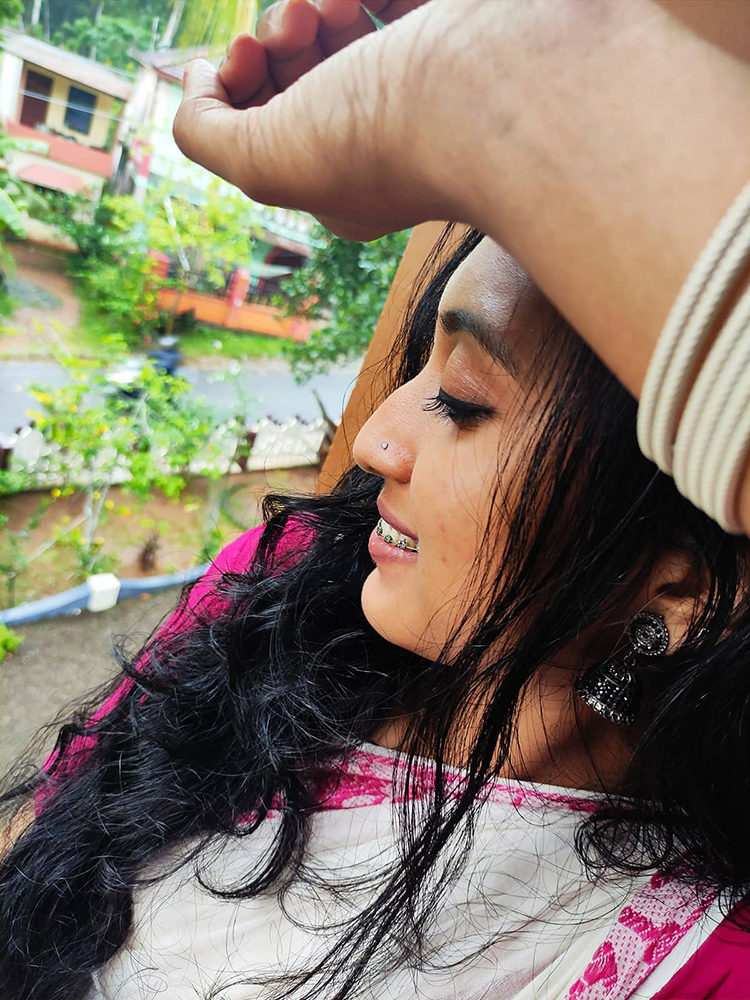
She looks away first. Back to the performance, the next mudra, the sequence continuing. I exhale.
The shock of being seen while watching is something I was not prepared for. I have always been, I thought, invisible — a man in an audience is invisible, the audience is not the subject. But she looked and I was not invisible and she knew and I knew she knew and then she looked away and the performance continued as if nothing had happened.
I sat in the third row with my programme folded in my lap and my heart doing something unremarkable by any clinical measure and I thought: so that’s how it is.
I sat with that for the remaining forty minutes. Through the second piece and the third and the long final composition where she danced the story of a woman who loved a man she was not supposed to love, which I choose to believe was coincidence and probably isn’t.
I clapped with everyone else at the end, my palms stinging, and I thought: patient. A little longer.
The bachelor party was my idea.
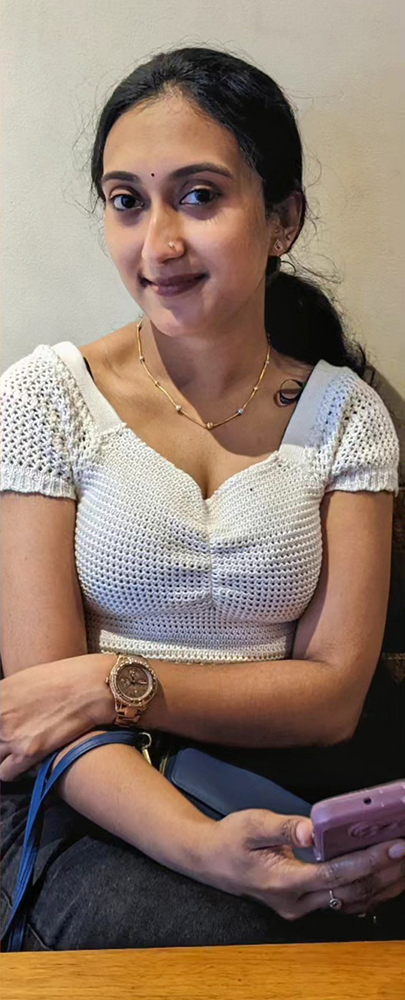
Not the party itself — that was traditional, expected, the shape these things take in families like ours. My idea was the venue, the menu, the quality of the evening, which I designed the way I design other things: with attention and an objective in mind. The objective was Unni. Wound up enough to go to his wedding night with the right kind of anticipation.
We were six men around a table in a private room in Kochi — Unni, three of his friends, his father’s younger brother, and me. The food was good — karimeen pollichathu and appam, beef fry that the restaurant was known for, the kind of meal you order when you want the occasion to feel considered. The whisky was better. By ten o’clock Unni was loose in the way he gets when he’s comfortable, the careful politeness he maintains around his elders relaxed enough that he was laughing easily, leaning back.
I leaned toward him.
‘A dancer’s stamina,’ I said, ‘is not a metaphor, Unni. You understand what I’m saying to you.’
He went red. ‘Mathew uncle—’
‘I’m being serious. This is important information I’m giving you.’ I poured him another two fingers. ‘She has been training that body since she was seven years old. Every muscle. Do you understand what I’m telling you? Every. Muscle.’
His friends were listening now. One of them made a sound that might have been a laugh.
‘The flexibility,’ I continued. ‘Have you thought about what that means practically? What she can do with her legs that other women cannot? The range of movement? The core strength?’
‘Mathew uncle, please—’
‘Day and night,’ I said. ‘Night and day. Starting a family is not a weekend project. You have to keep up with a dancer’s body, beta. Can you keep up?’
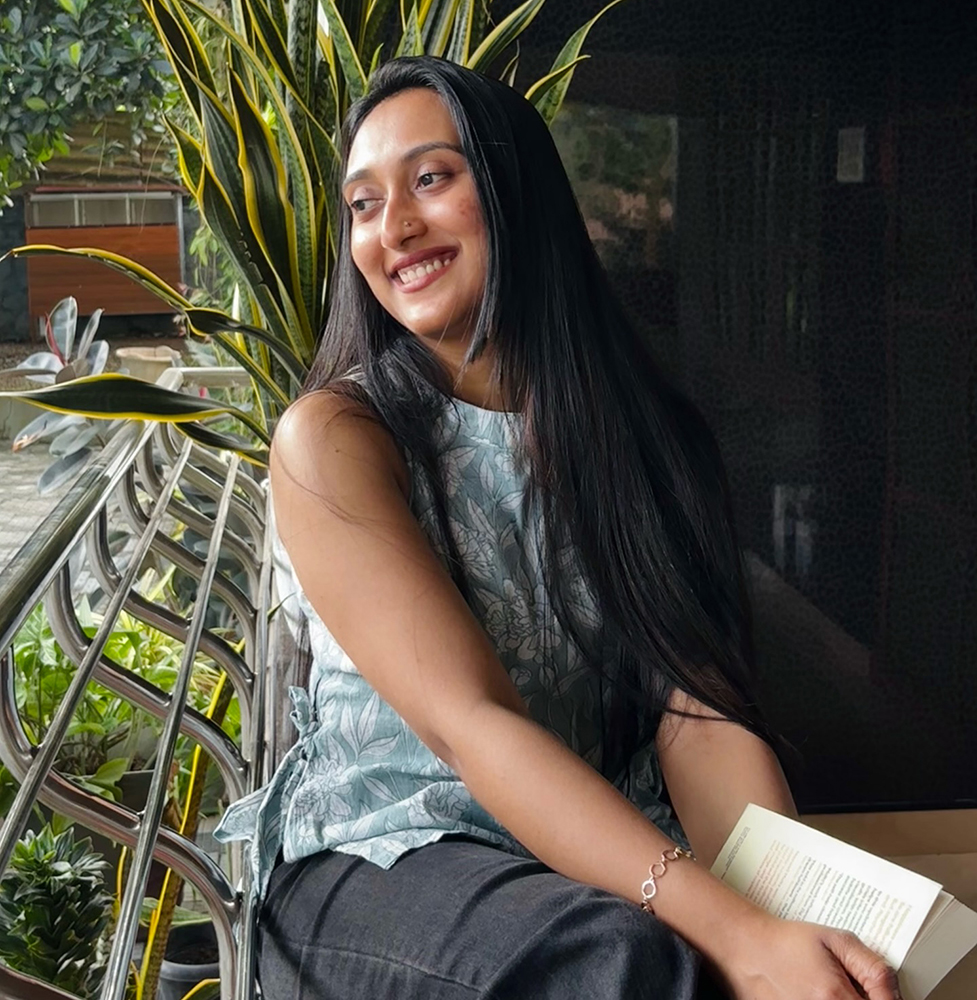
Unni put his face in his hands.
His friends were howling. He was laughing too, mortified, saying Mathew uncle stop, please, enough — and I smiled and raised my glass to him and he raised his and we drank.
He heard a cultured uncle giving a ribald toast.
He did not hear what I was actually describing, which was precise and which I had been describing to myself for the better part of six months.
I drove home alone. The city was quiet. I kept the windows down.
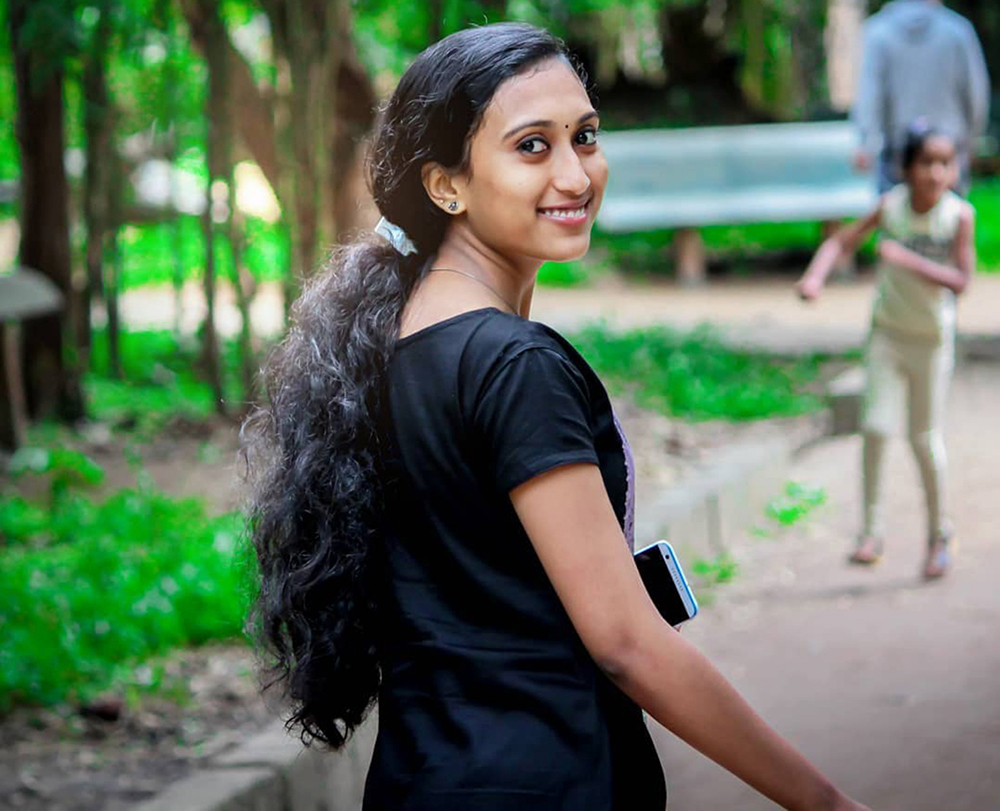
I walked out of that restaurant with Mathew uncle’s words in my blood.
He meant it as a toast. I knew he meant it as a toast, and I laughed and said Mathew uncle please because that’s what you say, and I meant the laugh. But walking to the car, the night air on my face, I felt the words doing something that laughter hadn’t finished.
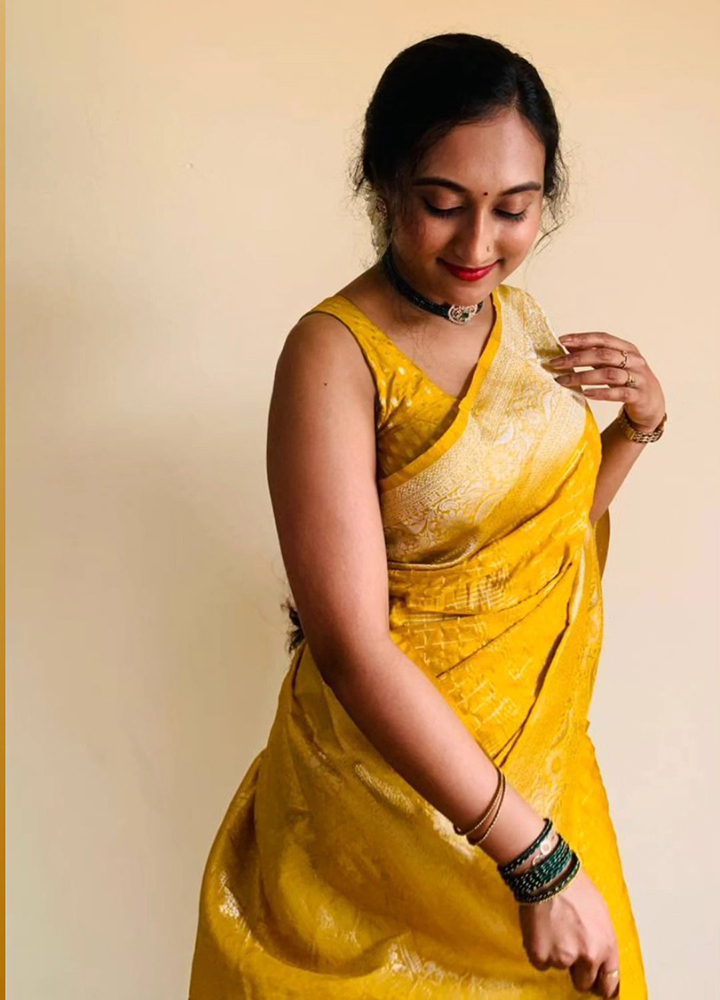
A dancer’s body. Every muscle.
I thought about her hands during the sangeet rehearsal two weeks earlier, the precise way she moved — not performed movement but inhabited it. I thought about the way she walked into a room, that posture, the straight back trained into the bone. I got into the car and drove home and did not sleep easily.
The wedding week descended on us like a festival and a construction project happening at once.
Her family arrived on Tuesday. Ours had never fully left. By Wednesday the house had the quality of a Kerala home in celebration mode — every surface covered, the kitchen running two shifts, the smell of coconut and cardamom constant, relatives appearing in rooms where I had been alone moments before. My mother was everywhere. My father retreated to the veranda with his newspaper.
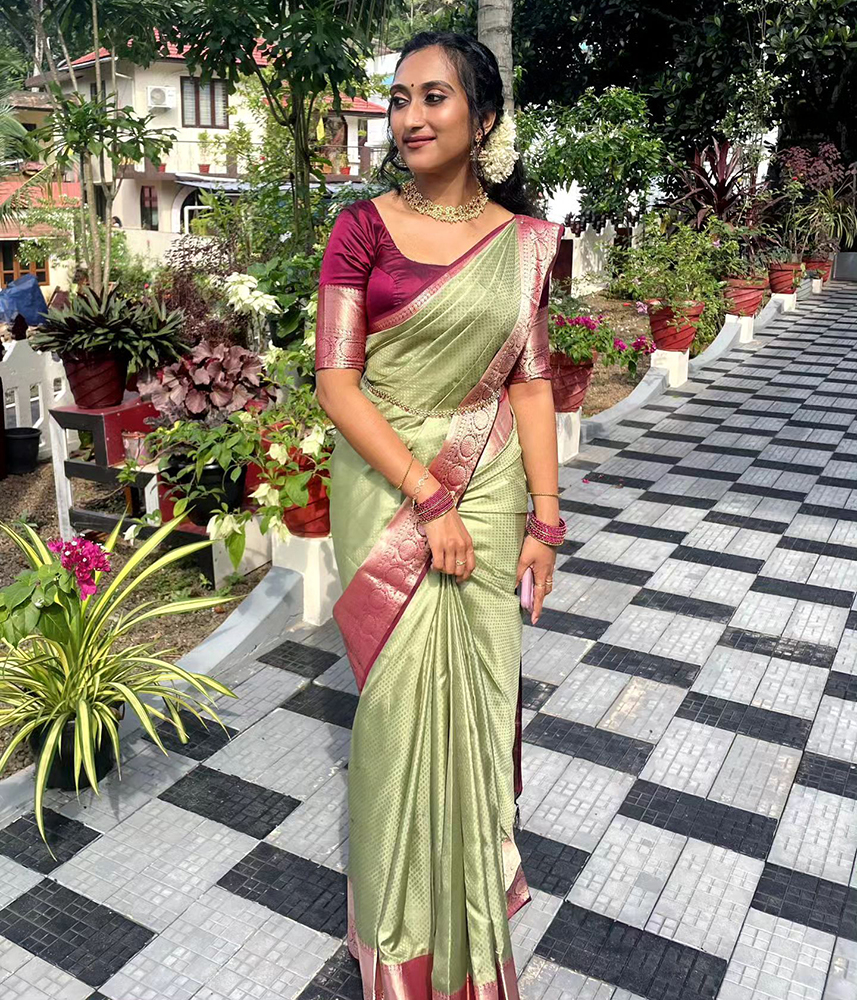
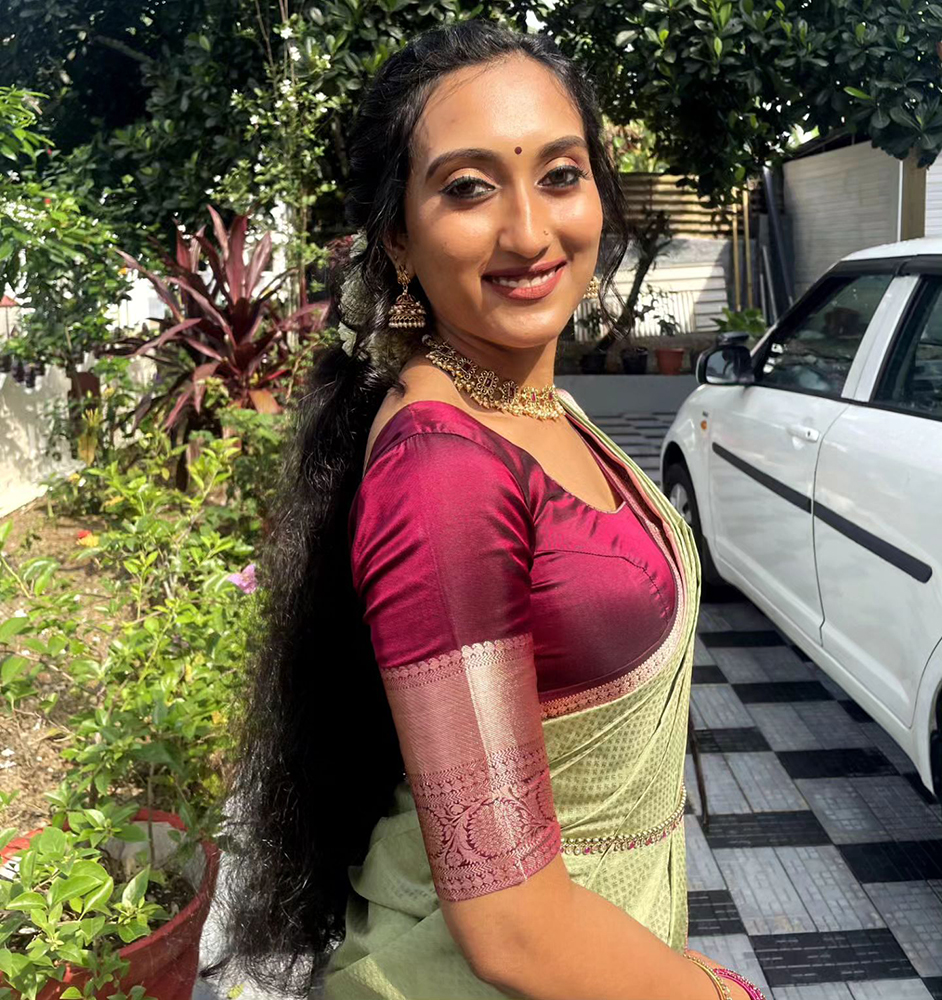
Vyshnavy moved through all of it with a composure I found astonishing. She knew which auntie needed deflecting and which needed engaging. She learned the kitchen schedule in forty-eight hours and slotted into it without disrupting the hierarchy. She sat with the older women and listened more than she talked and they approved of her in the loud, proprietorial way Malayali women approve of a new daughter when she passes inspection.
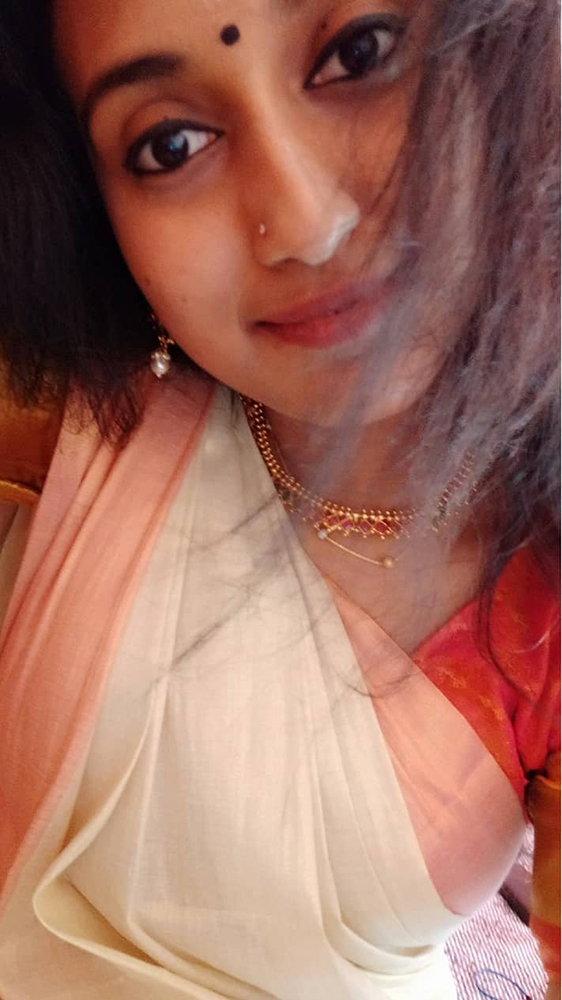
I watched her and thought: I got lucky.
The sangeet was Thursday evening. Her mother’s side organised it — the courtyard strung with lights, the challenge Mathew uncle’s idea: her team against a team he put together from the men’s side, the bet a private performance at the winner’s choosing. She was extraordinary — the crispness of the footwork, the expressiveness of her face, her whole body committed to each phrase of movement. Her team lost because Mathew uncle had recruited a ringer.
He crossed the courtyard to her after, all warmth and grace. I was close enough to hear.
‘Such a wonderful dancer,’ he said. ‘Your team let you down. It was not your fault at all.’ A pause. ‘A private performance, then. At my choosing.’
She smiled. ‘Of course, Mathew uncle.’
I felt something I didn’t look at. My uncle was a cultured man who appreciated classical dance. I let it go.
The wedding day was everything it was supposed to be and more exhausting.
She came down in a cream and gold kasavu saree and the sight of her stopped my chest. The gold border at the hem catching the morning light. The payal at her ankles, the small bells audible when the ceremony quieted. I tied the thali at her neck — the gold pendant on its black thread, still warm from my hands — and she looked at me with that composure intact and I thought I saw, briefly, something behind it that was waiting.

I told myself I had imagined it.
The ceremony, the garlands, the rice, the blessings of everyone individually, which took an hour. Her mother weeping. My mother managing not to. My father pulling me aside at the end to grip my shoulder and say, roughly: ‘Good boy.’ Which was the most he had ever said to me at any emotional occasion and which meant more than anything else said that day.
By the time we reached the room I had been awake for nineteen hours.
She closed the door.
The room was quiet after days of noise, the house below reduced to a hum by distance and walls. She had changed from the kasavu into a pale cotton nightdress, her hair down, the full black mass of it, most of the jewellery off but not the payal, and I could hear them when she crossed to me.

She kissed me the way a woman kisses a man she has been thinking about kissing. Not tentative. Not grateful.
Her hands went to my collar and she pulled me down and the composure was gone and what was under it was something I had not anticipated at all.
She drove everything from the first moment. I understood this within thirty seconds — she shifted me where she wanted me, her hands directing without words, her body knowing what it wanted and taking it with the same precision she brought to the dance floor.

She pushed me onto my back and straddled me and the nightdress came off in one motion and I saw her in the low light of the room — the line of her, her breasts, the flat stomach, the payal catching the light at her ankles — and I thought: I had no idea.
She was loud. Not performed loudness but actual volume, her head back, her hips moving in a rhythm she set and maintained, and I was keeping up, barely, gripping her hips and following her lead.
She came the first time with her hands flat on my chest and her back arched and a sound that made me grateful the house was still making noise two floors below.
She didn’t stop. She adjusted the angle and kept moving and looked down at me with dark eyes and said, quietly and directly: ‘Again.’

I obliged.
The second round was longer. She lay under me and wrapped her legs around me — the payal bells ringing with every movement — and told me with her hands and her hips exactly what she wanted, and I gave it, and she came again with her face in my shoulder and her nails in my back, and this time I finished with her.
We lay on our backs in the quiet after. I turned my head. She was looking at the ceiling with the composure back, or something like it — the settled quality of a body that has had what it needed.
‘I got lucky,’ I said aloud.
She made a small sound. Her eyes didn’t move from the ceiling.
I fell asleep with my arm across her stomach, the payal still on her ankles, and the thought as I went under: keep up.

His arm is heavy on my stomach and his breathing has gone even and slow, and I am looking at the ceiling.
The payal is still on. I notice this the way you notice things after — the small details that were invisible during and become visible again after, when the body returns to itself and the mind comes back online. The bells at my ankle. The damp of the sheets. The sound of the house below, which hasn’t stopped, which won’t stop until midnight at least, and I am grateful for it because it means no one is listening for us.
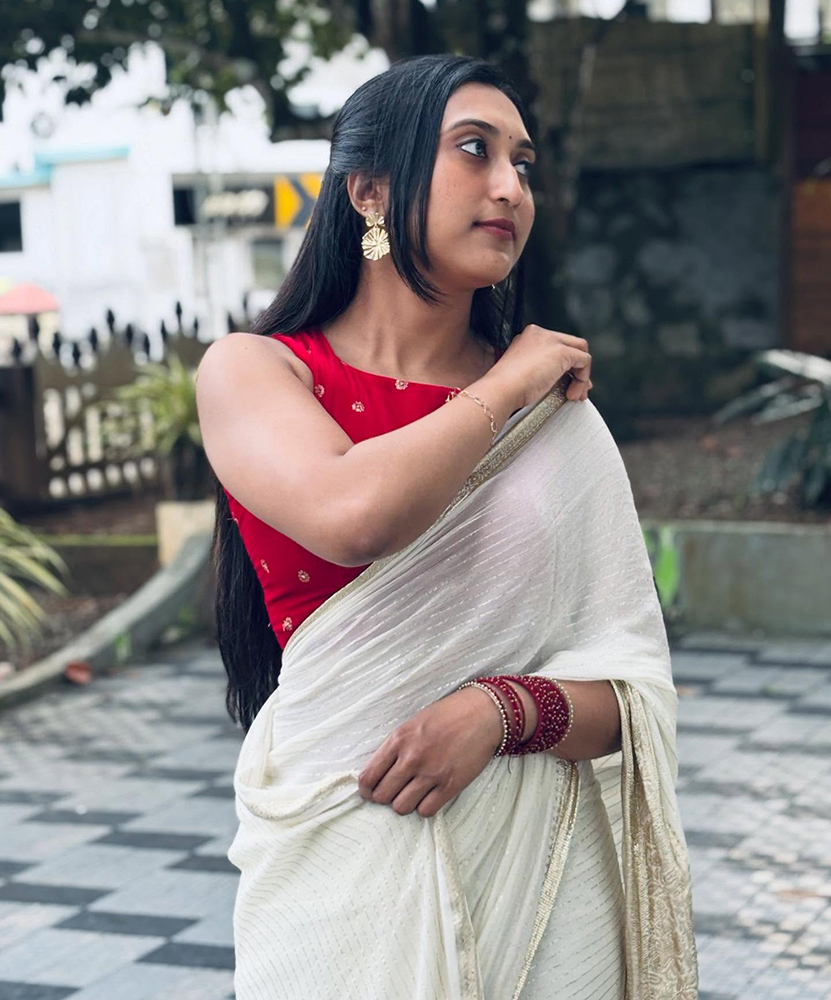
I think: young men have energy if not technique.
It’s not an unkind thought. He is good — attentive, enthusiastic, genuinely trying — and there were moments tonight that surprised me. But there is a difference between a man who wants to please a woman and a man who knows how, and Unni is the former, sincerely, without the knowledge to back it. The payal is still on and his breathing is even and I think: maybe this won’t be so bad.
I should sleep. I don’t sleep.
The career died slowly and I almost didn’t notice until it was gone.
It started with Amma-in-law — Unni’s mother — who is not a cruel woman. What she did was not cruelty, it was management, and she managed me the way a good housekeeper manages a large house: efficiently, quietly, with the interests of the household as the only relevant consideration. The first cancellation was a performance in Kozhikode, six weeks after the wedding. She didn’t tell me not to go. She told me that Unni’s cousin’s daughter was being baptised that weekend and it would mean so much to the family if we attended as a couple. She looked at me with genuine warmth and no expectation, and I called the organiser in Kozhikode and said a family commitment had come up.
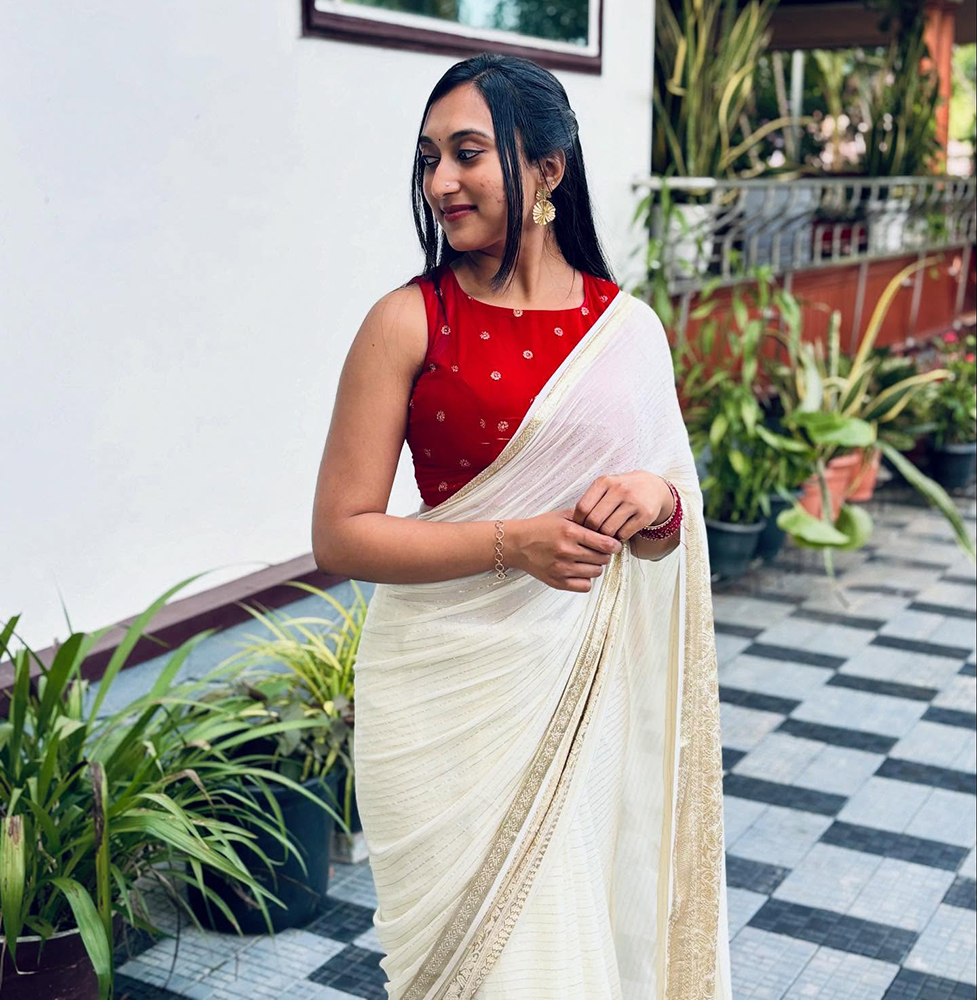
The second cancellation was a temple function in Palakkad. The third was a festival performance in Thrissur — the slot I had been working toward for four months, the one that had taken two years to earn — gone in a conversation over morning coffee that Amma-in-law framed as: ‘You’ve been so busy, you must be tired, perhaps a rest would do you good.’
The verdict came eight months in, on a Tuesday afternoon, gently, with love. ‘You can dance at family functions,’ Amma-in-law said. ‘We all enjoy it so much. There’s no need to run around to every programme.’ She patted my hand. She meant it kindly. She genuinely did not understand what she was saying, and managing my reaction to the kindness as if it were the thing it actually was required everything I had.
I took the ghungroo from the velvet pouch in my dance bag and put them in the back of the wardrobe, behind the winter shawls.
The joint family house had its own physics. Amma-in-law ran the kitchen on a schedule that predated independence and would outlast all of us: breakfast by seven, lunch by one, evening tea at four-thirty, dinner by eight-thirty. The morning chai run was mine by month three — the youngest daughter-in-law earns these things — which meant I was up by six-fifteen every day regardless of what the night had been.
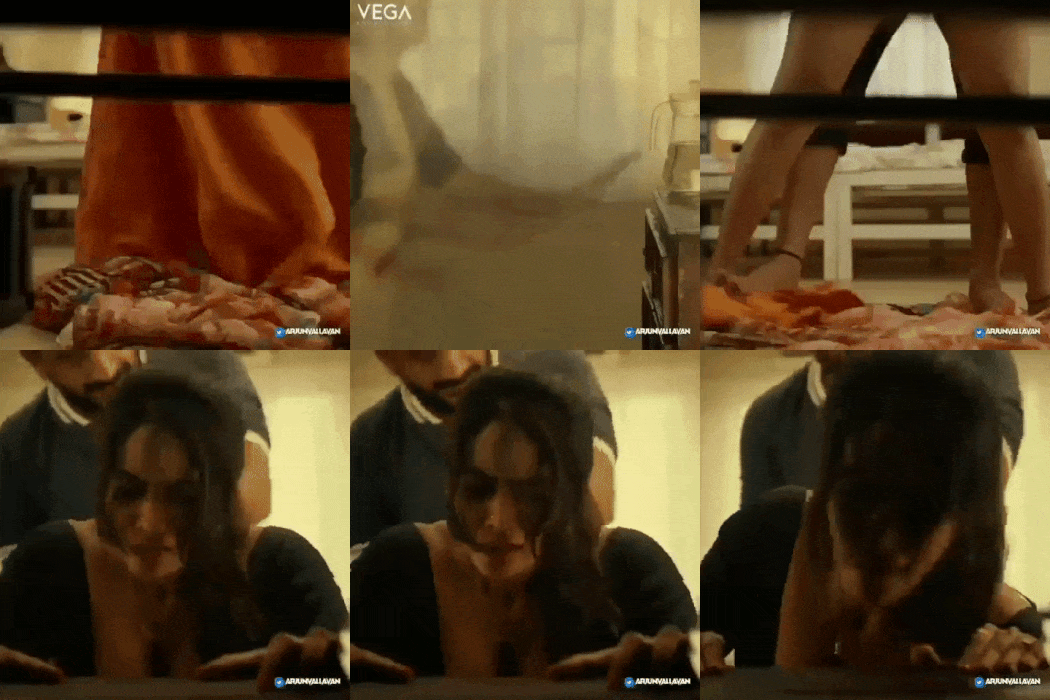
The quickies happened because that was all that was possible in the architecture of that house, and because Unni had not noticed that they were insufficient.
6 a.m., the kitchen counter, his mother asleep one room over. He came up behind me while I was waiting for the milk to heat. I heard him, knew what was coming, and what I felt was not reluctance — the body doesn’t lie to itself, or mine doesn’t — it was the resignation of knowing this would be insufficient and being too tired to explain that. He lifted my saree with one hand and pulled the panties aside with the other — didn’t remove them, just moved them — and entered me from behind in one push. I was ready for it. He would not have known I was ready for it.
Four thrusts. Maybe five. His hand came over my mouth and I thought: the milk. The milk is going to boil over. His other hand gripped my hip and he made a sound against the back of my neck and finished, and I stood there with the panties still to one side and the milk beginning to tremble at the edges of the pot and thought about nothing.
He tucked himself back in. Kissed my shoulder. Said: ‘Do you want chai?’
‘The milk’s going to boil,’ I said.
He went back to the bedroom. I made the chai.

The bathroom was another venue. Door locked, no conversation required. He liked the mirror — liked to watch himself, which I did not take personally and perhaps should have taken as information. He entered from behind and lasted longer this time because the mirror was doing something for him.
I watched my own face in it and thought about the adjustments that would have changed the angle and the outcome, and said nothing because this was not a space where that kind of direction was welcomed.
He finished with a sound the neighbours probably heard. ‘You were amazing,’ he said. I nodded. He unlocked the door.

In the car back from temple, the partition between us and the driver closed. His hand under my saree. He had learned that I was responsive, which he took as all the information he needed, and which is not all the information there is. Two minutes of his fingers and then his phone buzzed and he looked at it and his hand withdrew. I sat with the saree smooth over my lap and the road going past and said nothing.
I stopped making sound during these encounters. Not because I felt nothing — the body keeps its own account — but because I had understood, by month four, that sound from me did not change anything. It did not slow him down or speed him up or shift his attention. So I stopped.
The baby pressure started at month eight. By month fourteen the questions were direct and carried the charge of a shared family concern in which my body was the relevant variable.
Month sixteen, I was watching a Kalakshetra recital on my laptop. The dancer was twenty-three, my age when I stopped, performing an ashtapadi I had performed at seventeen. I was watching her hands — the quality of her hasta work, the years in every angle — and I did not hear him come in.
‘It’s fine to enjoy it,’ he said. ‘You don’t have to give it up.’
As if it were a choice I had made.
I closed the laptop.
Month eighteen, the first fight about the tests. It started over dinner, me raising it carefully — framed as routine, both of us, nothing implied. He put his fork down. His voice dropped, which was worse than if he’d shouted: ‘You want me to go into a clinic. Like there’s something wrong with me.’
‘It’s just a check,’ I said. ‘It doesn’t mean anything is wrong.’
He left the table. He did not come back. Later he appeared at the bedroom door with a mango from the market, set it on the nightstand, and went to sleep. He did not reference the conversation. I ate the mango the next morning standing at the kitchen window and felt something that was not gratitude but was adjacent to it.
Month nineteen, a different fight. This one didn’t start over tests. It started because I said, plainly, what I had been not saying for months: that I needed more than what we were doing. That five minutes in a bathroom while his mother’s footsteps were on the stairs was not enough. That being finished before I’d started had a cost, and the cost was accumulating.
He heard this as criticism. He left the room. He came back and said he was under a lot of pressure. I said so was I. He said he didn’t know what I wanted from him. I said I had just told him. He said he was doing his best.
I stopped talking. There was nothing else to say that he was equipped to hear.
Month twenty, the fight that broke the tests question open again. Both of us tired — him from project deadlines, me from the kind of tired that has no office it belongs to. The fight started in the bedroom after dinner.
‘This is a private matter,’ he said, not quietly. ‘Between a husband and wife. Not a file to be opened for strangers.’
‘Mathew uncle is not a stranger,’ I said. ‘He is family. Whatever we learn stays within the family.’
He stared at me. ‘This is about you wanting it to be him. Don’t pretend it’s practical.’
The silence after that was considerable.
‘It is practical,’ I said. ‘He’s a doctor. He knows us. If there is news — good or bad — it stays here, in this family, and doesn’t become gossip in a clinic waiting room.’
He turned away. When he turned back his face had the look it gets when he has decided to close something without resolving it.
‘Fine,’ he said. ‘Mathew uncle. But nothing leaves this family.’
He went to the bedroom. I stood in the corridor for five minutes. My hands were steady.
I told myself it was practical. I did not examine it beyond that.

She called on a Wednesday evening.
I was at my desk finishing charts when the phone rang and I picked it up without looking and said yes, and she said Mathew uncle, it’s Vyshnavy, and I said yes, I know, and she said I was wondering if you could arrange the tests. We spoke for four minutes. I know because I counted afterward, because I had nothing else to do with the time immediately after she rang off except sit in the chair and hold the phone and go back through it.
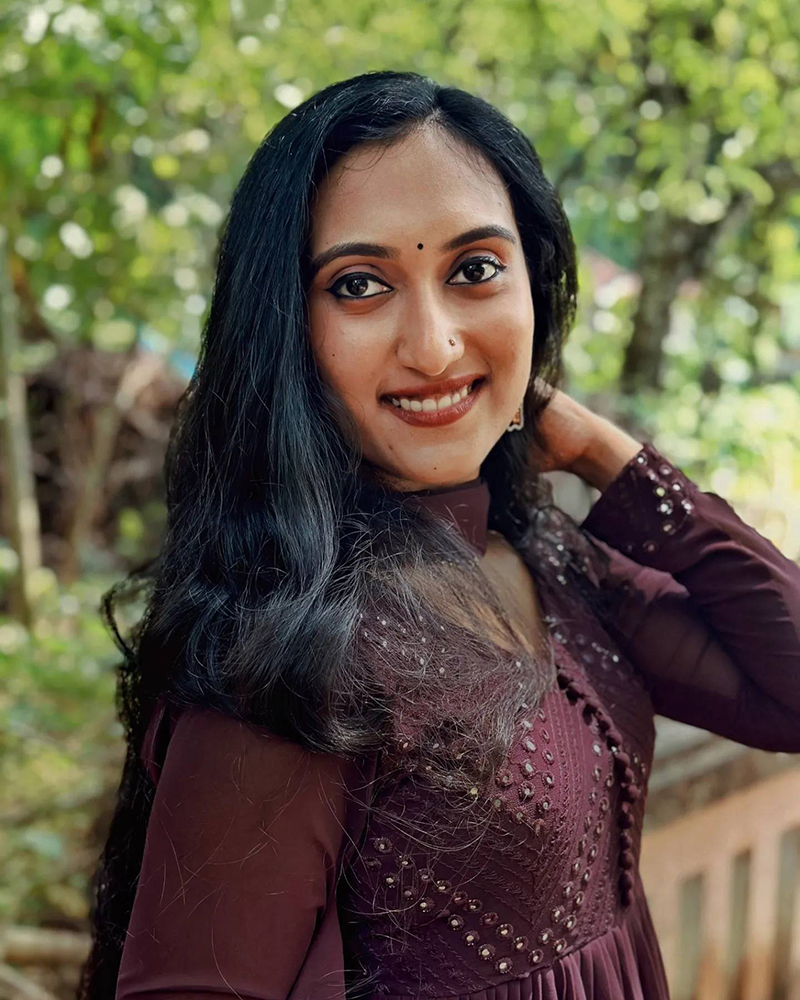
She asked me to arrange it. She could have gone to any reproductive clinic in Kochi. She asked me. She said Unni prefers it stays in the family. She said this is the reason she’s asking. I did not argue with the reason. I said of course, I’ll sort it, let me know when works. She said thank you, Mathew uncle. She rang off.
I sat with the phone for a while.
Unni came in on a Thursday morning, was seen by Shobha — my senior nurse, fifteen years with the practice, brisk and incurious — and produced his sample in the collection room. I was in a consultation elsewhere. I had arranged it that way.
Vyshnavy came in on Friday afternoon. Late appointment, the clinic quiet, the other doctors gone. She was in a dark blue cotton saree, a batik print, hair open. The mangalsutra at her throat. She sat in the patient chair across my desk and I took her history and asked the questions I was supposed to ask and she answered them with the directness of someone who has decided to get through a thing.
‘I’ll need to examine you,’ I said. ‘For the initial assessment. You can have a female doctor if you’d prefer — Dr. Priya from the practice in—’

‘That’s not necessary,’ she said.
She looked at me across the desk with the composure she had used at the wedding, the composure I had watched from the third row of a concert hall in Thrissur, and I nodded and said all right, and called Shobha to assist, and we moved to the examination room.
I am a doctor. I have been a doctor for eighteen years. I have performed more pelvic examinations than I have counted and I have maintained during every one of them the professional detachment that the work requires. I am stating this because I want to be accurate about what happened in the examination room, which was that my professional detachment held. My conduct was correct. My hands did what they were trained to do and nothing else.
And: I saw everything, up close, from inches away and what I saw was even better than my wildest imagination. It was all I could do to not send Shobha away and eat her pussy right there in my examination room and then fuck the living daylights out of her. It was hard, quite literally, but I am a doctor and this was my workplace. Any indiscretion would have had consequences. So, I examined the part I of her I wanted the most longer than it needed to be examined.

She was shaved. Clean, close, exactly as I had imagined across six months of controlled fantasy in the third row of concert halls and at the back of family courtyards and in my car with the windows down. The closed, neat line of her. The warmth of her inner thigh under my gloved hand. She looked at the ceiling for the duration and did not look at me once.
I noted what I needed to note. I said what I needed to say in the voice I use in examination rooms, which is not my ordinary voice but is reliable. Shobha handed me things and I took them and the room was professional and my hands did not shake.
I removed the gloves.
‘Thank you,’ I said. ‘You can get dressed. I’ll be in my office.’
‘Thank you, doctor,’ she said.
She had never called me that before. In two years of family events and general family contact, I had always been Mathew uncle. The word doctor in her voice, in that room, after those four minutes, was something I carried back to my office and set down carefully and did not allow myself to look at directly.
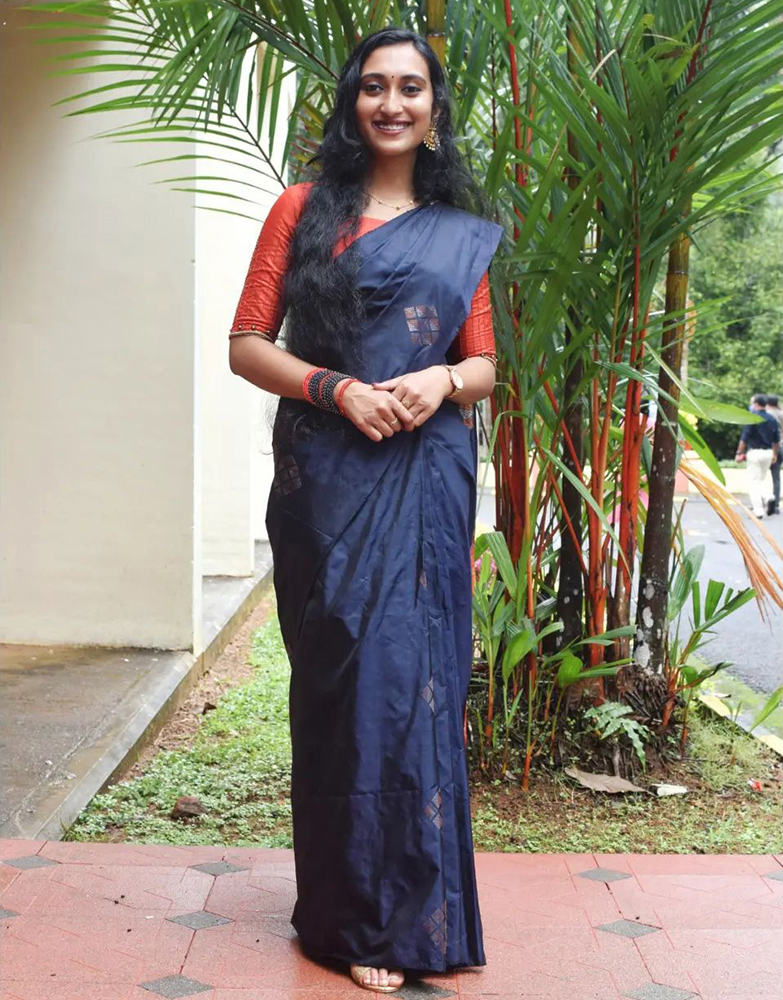
She sat across my desk again. I outlined the process, the timeline, what results would and wouldn’t tell us. She listened and asked one or two precise questions and I answered them. Shobha had gone. The clinic was empty outside.
She came back for the follow-up two weeks later. And the week after. I kept the appointments professional. My hands flat on the desk. The compartments holding by effort, not instinct. In the second follow-up she was wearing a dark red cotton saree and the afternoon light was coming through the window behind her and I thought about several things I was not going to do and did none of them.
The results came back on a Friday.
Unni’s count was zero. Not low — zero. Azoospermia, non-obstructive, the kind that doesn’t respond to intervention. I read the report twice and called a colleague in reproductive medicine to confirm my reading and he confirmed it. No treatment path. No natural conception.
I asked her to come in alone.
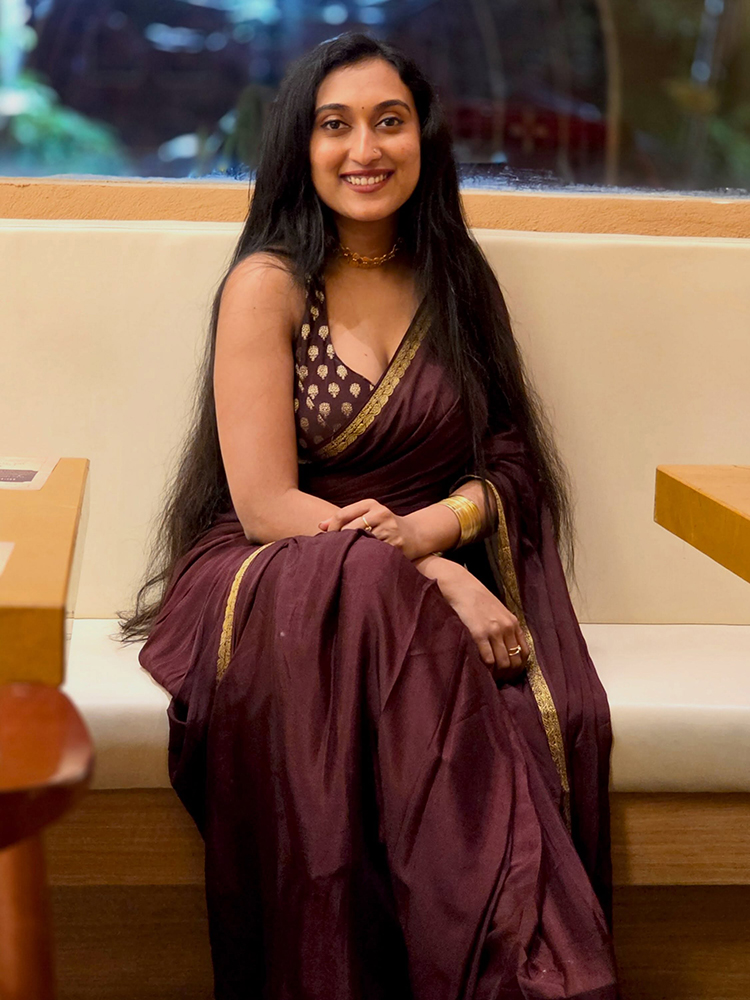
She sat across the desk and I told her plainly, without softening it, because she was not a woman who needed the truth wrapped. I told her what the term meant, what the count meant, what the absence of a treatment path meant. She listened. She did not cry. She did not speak for thirty seconds and I did not fill the silence.
‘Options,’ she said. ‘What are the options.’
I held up my thumb: Donor conception. Then I held up my index finger: Adoption. I paused before the third option, then held up my middle finger: And… I did not name the third option aloud. She waited in the pause — her hands in her lap, her eyes on my middle finger, the mangalsutra lying still at her throat — and the silence between us held everything that had been building since a concert hall in Thrissur and an examination table and two years of managed distance.
Finally she looked up at my face. I held her gaze with the most reassuring and professional expression I could muster, and I said:
‘I want to help in any way I can. Whatever you decide.’
She looked at my middle finger again. A long moment. Something crossed her face that I could not fully read and did not try to.
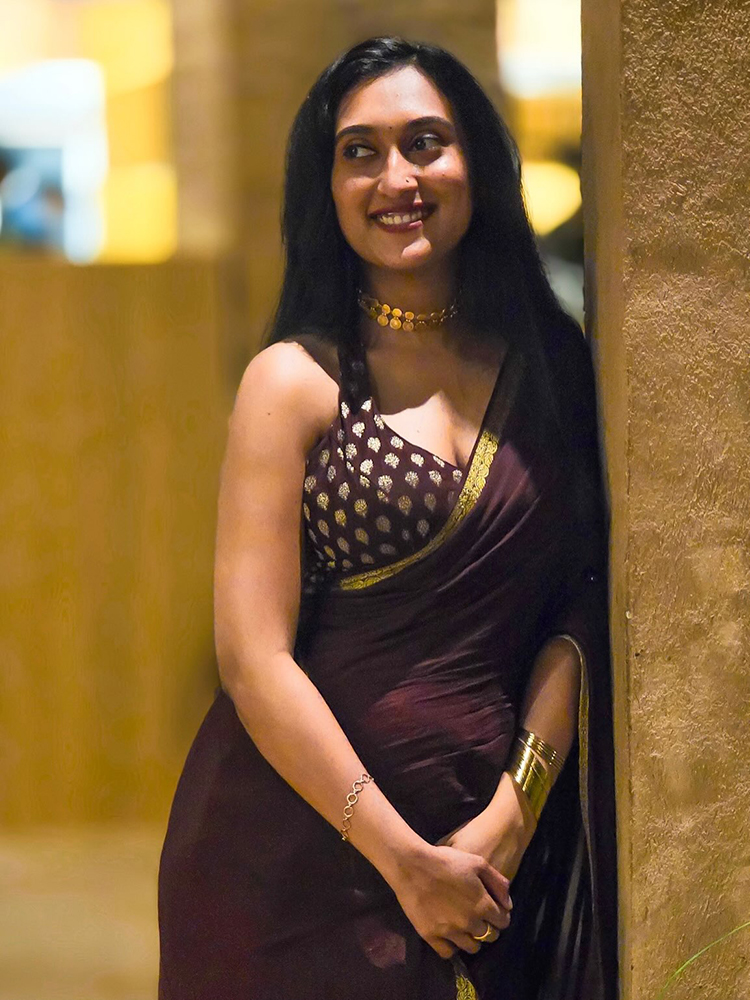
‘I’ll think about it,’ she said.
She stood, picked up her bag, and left. I listened to the click of her heels on the clinic floor going to the door, and then the door, and then the quiet of the empty building.
I sat in my chair for a long time.
Two months passed. The tests were not discussed in the family — Unni believed his results were inconclusive, pending further checks, which was the version she had given him and I had not contradicted. I saw them both at family occasions and conducted myself accordingly.
The family function was at Unni’s parents’ house on a Saturday in October — twenty-odd people, the children from three households let loose in the compound. The evening came down warm. The string lights went up around the courtyard at six. Unni’s father opened the toddy.
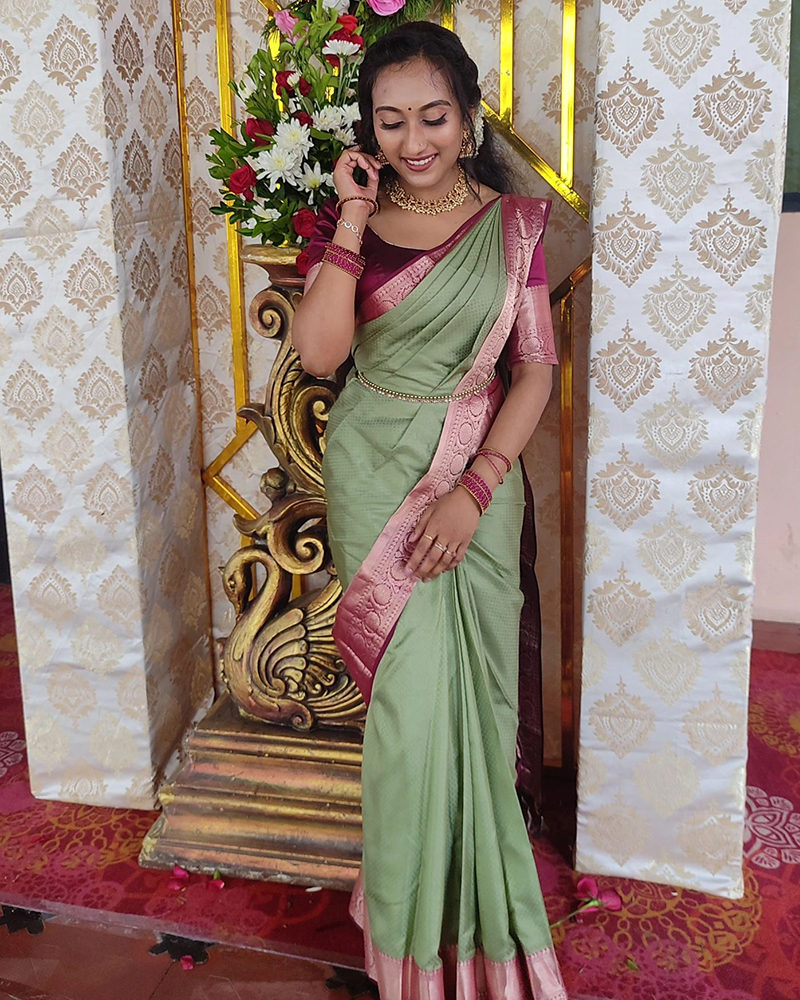
Vyshnavy started dancing at around seven. Informal — someone had put on music, she had offered, the family delighted. She was in the indigo batik cotton saree, the wave-print border, white eyelet blouse, hair open. Not performance dress. Just her, in a courtyard, dancing a Thiruvathira for family.
I moved to the far wall and stopped there.

Nobody is watching me.
That is not quite true — the children are watching, the way children watch a moving thing, interested in the motion rather than the meaning.
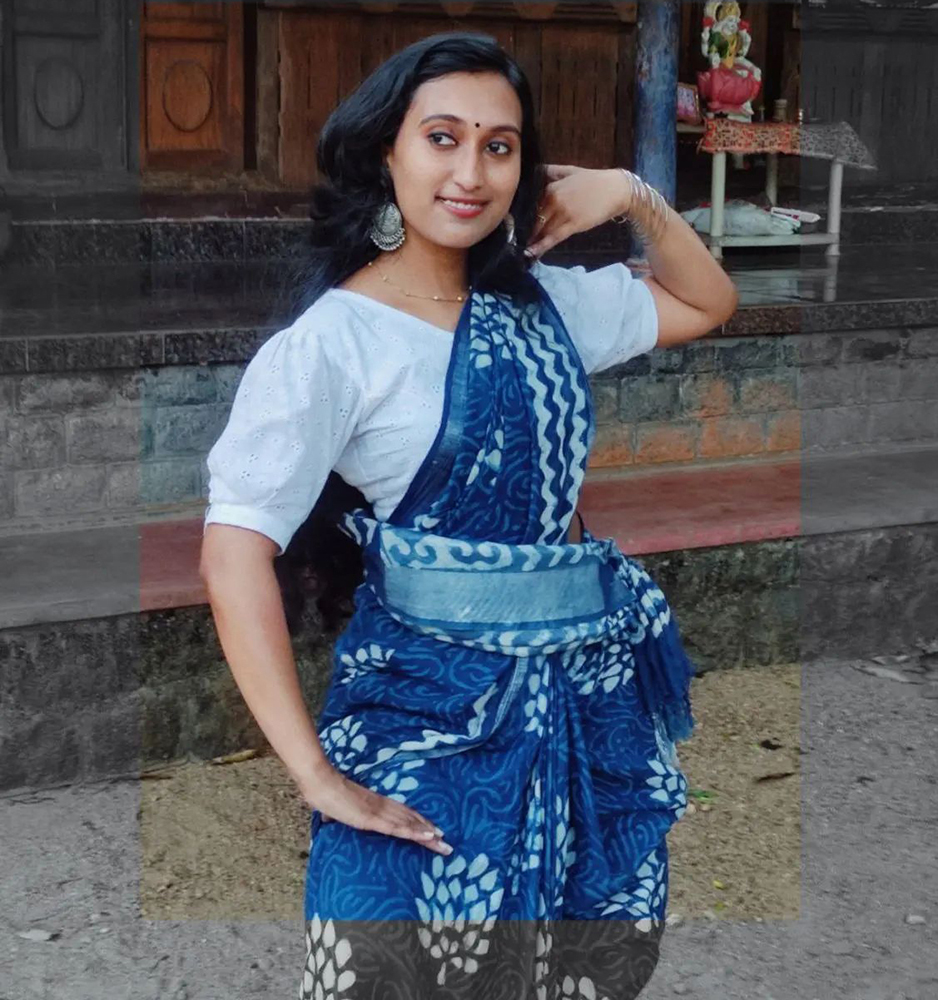
Chechi Elsy is watching from her chair with the generalised approval she brings to everything I do now that I have been accepted. Unni is on his phone in the corner, standing in the way he stands when he is trying to look like he is not on his phone.
Mathew uncle is watching.
He is at the far wall with a glass of water in his hand that he has not brought to his mouth in ten minutes. I know this because I have been watching him watch me, which is something I can do while dancing a Thiruvathira in a family courtyard without anyone noticing.
A dancer learns to hold two attentions. The performance attention and the private one. Most audiences get the performance attention. He gets the private one.
The indigo batik is cotton and cotton does not lie.
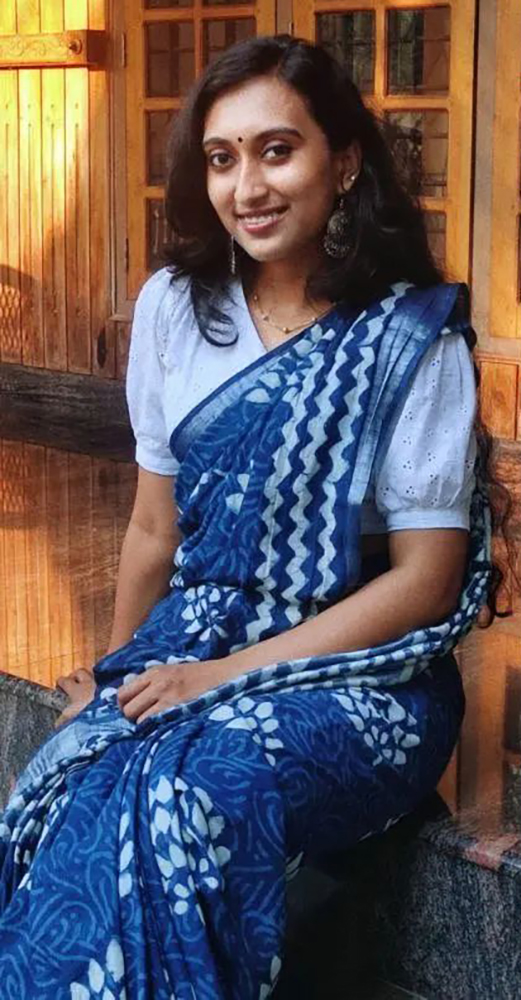
I have been moving for twenty minutes and the fabric at my spine is dark, the damp spreading from the centre outward, and the blouse is worse — the white eyelet holding every drop, the crescents at my armpits visible now, deepening with every arm extension of the Thiruvathira sequence.
I know what he sees from the wall. I know because I have thought about what he sees from the wall.
My forehead is damp. I feel a drop at my hairline, tracking — past my temple, along the line of my jaw, behind my ear, down my neck, into the shadow below my collarbone, into my blouse. I know where it goes from there.
I think about his hands.
Not the way I thought about hands when I was twenty-two, which was general and reckless and more about escape than about what I wanted.
I think about his hands the way I have thought about them since the examination room, which is precise. Clinical touch has a weight and a deliberateness and a contained intention that is unlike any other kind of touch, and knowing what it contains while it is contained is something that has occupied me in small spaces ever since. What is in those hands. What they catalogued, gloved, professional, while I looked at the ceiling. What they already know.
The music moves into the next phrase and my arms come up — the full Thiruvathira extension, out to both sides, palms turned — and I feel the sweat cool on the inside of my forearms and the warm air on my exposed midriff above the petticoat and I think about what comes after the knowing.
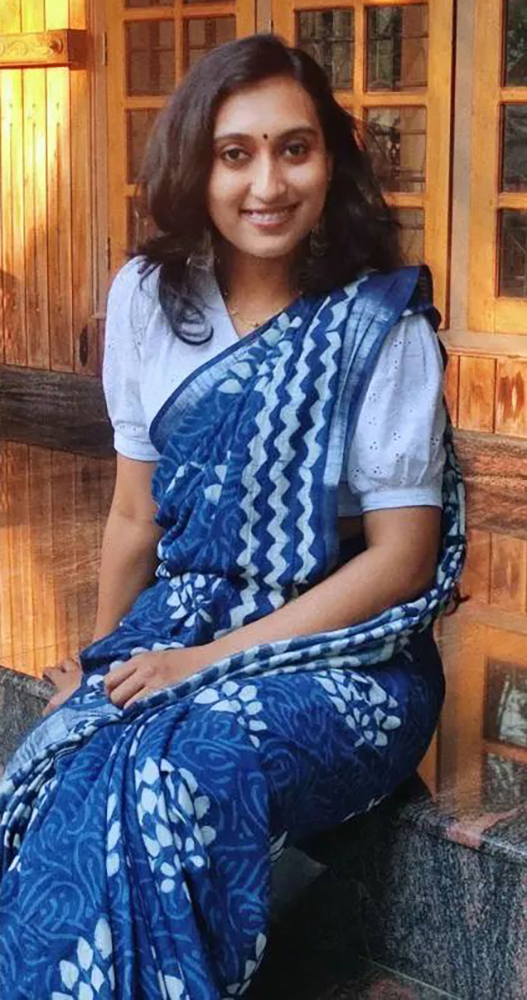
After the catalogue.
When the gloves come off for different reasons.
I find his eyes.
He is not pretending to do anything else. He is standing at the wall with the untouched glass and watching me with the complete stillness of a man who has stopped managing himself for this one moment, and when our eyes meet across the courtyard — through the string lights and the children and the sound of Amma-in-law’s voice from the kitchen — I see it. What is in those hands.
I build it while I dance. His mouth at my throat where the sweat is now. His hands where his hands were in the examination room, not gloved this time. The weight of him. Two years of quickies with the hand over my mouth and someone else’s feet on the stairs, and what waits on the other side of that. I dance a folk piece for family in a courtyard and I fuck him in my head with complete thoroughness and nobody notices because a dancer learns to hold two attentions and the performance attention never wavers.
I miss a beat. I recover it so cleanly that only someone who knew the piece would notice. He noticed. I see the shift in his expression that means he noticed, and I hold his eyes through the next four bars and then I look away, back to the family, my face arranged.
I finish the piece. Chechi Elsy claps. The children scatter. Unni looks up from his phone and gives me a warm, distracted smile.
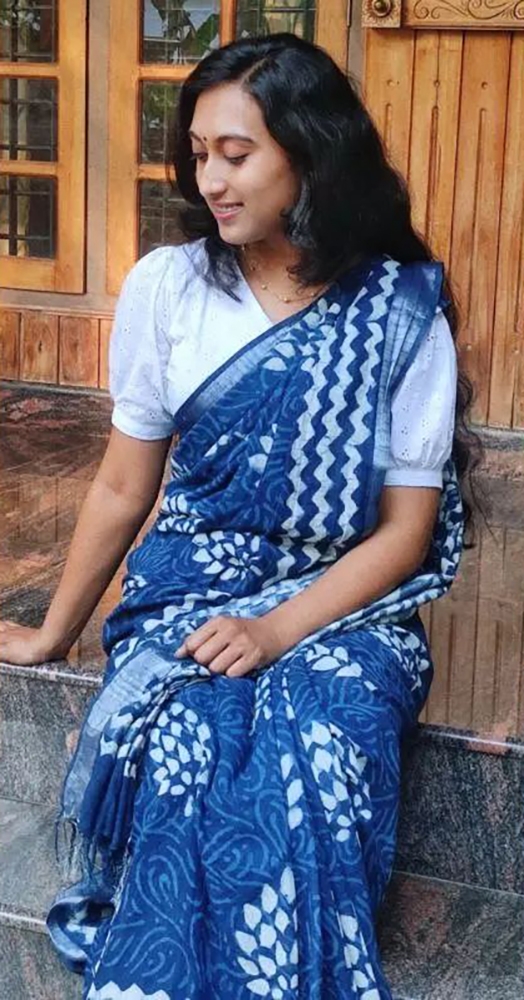
Mathew uncle crosses to me while Unni is re-entering his screen.
He stops at a family distance. His voice is low and even.
‘Did you tell him?’
‘Not yet,’ I said. ‘Waiting for the right time. I don’t want a fight.’
He nodded. A pause. The string lights moved in the evening air. From the kitchen, Amma-in-law calling for something.
‘The bet, Vyshnavy,’ he said. ‘Saturday. Unni will be in Bangalore.’
I looked at him.
The string lights. The kitchen sounds. Chechi Elsy telling one of the children something across the courtyard. The whole ordinary machinery of the evening going on unchanged, unaware.
I held his eyes one beat longer than I should have.
Then I turned and walked back toward the family, the flush on my chest under the blouse, the ghungroo in the back of the wardrobe where I had put them ten months ago, and I thought: Saturday.
Unni was coming toward me with his phone pocketed and his warm, uncomplicated smile, and I smiled back.

She had been talking to Mathew uncle.
I could see them from across the courtyard when I looked up — the two of them near the far wall, the conversation brief, something in her face when she turned away that I filed as tiredness. She’d been dancing. I crossed to her and she took my arm and said she was tired, could we go soon, and I said of course.
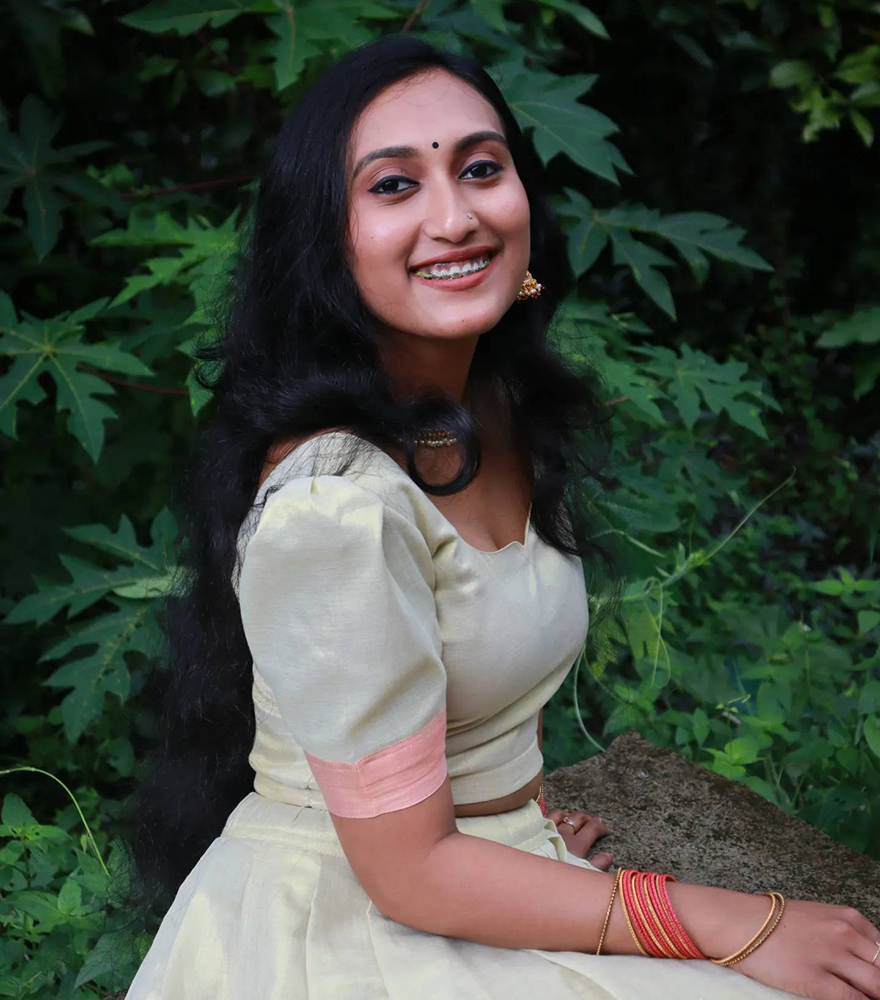
I went to find Mathew uncle first. Said goodnight. He was at the far wall with a glass of water and the expression of a man thinking about something pleasant, which was his usual evening expression.
‘Sit down a minute,’ he said.
We sat on the low compound wall. He added a little toddy to my glass and the warm night settled around us.
I started talking. I don’t know quite when it started or why this evening, only that Mathew uncle has always had a quality that makes things come out of you, the comfortable precision of someone who listens without agenda. By month twenty of anything you have things that need saying.
The pressure. Both families, the way time had started to be measured in months. Her moods, which I understood were connected to things I couldn’t fully see. Her appetite — which I said carefully, because Mathew uncle was still Mathew uncle, but he would take it as I meant it.
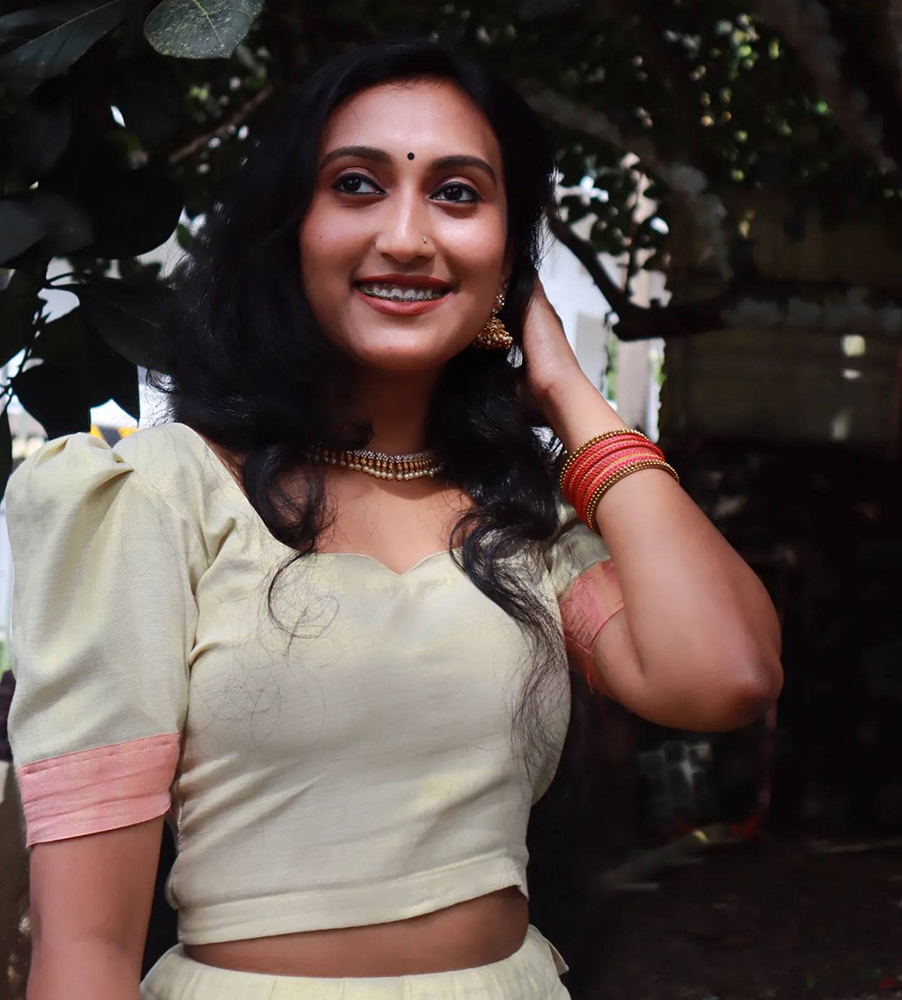
What started as extraordinary on our wedding night had become something I couldn’t keep pace with. She had told me so once, directly, in the bedroom, and I had heard it as dissatisfaction rather than something I could do something about.
I still didn’t know what to do about it. She wants more than I’m giving her and I don’t know if I know how to give it and I feel like I’m failing at something I can’t name.
He listened through all of it without interrupting.
When I finished he put his hand on my shoulder and said: ‘Everything will be alright, beta. These things take time. I’ll take care of things.’
‘The tests,’ I said. ‘You’ll sort that out?’
‘Already in hand,’ he said.

I felt the weight come off. Mathew uncle.
He had always been this, from when I was twelve years old and convinced the world was against me and he had talked me through it with the same calm. Some people are built for competence and he was built for it.
‘Go home,’ he said. ‘Sleep. Take care of your wife.’
I nodded. Said goodnight.
I found Vyshnavy at the gate with her dupatta over her shoulders, ready, her face giving away nothing. We drove home. I slept well.

She arrived at seven. She looked at me when I opened the door and we both knew why she was here, but we had to do the dance around the reason she was here before I could take her body and enjoy it the way I wanted to. The thought of fucking her gave me an instant erection. Her eyes went down to it and then backup to my face.
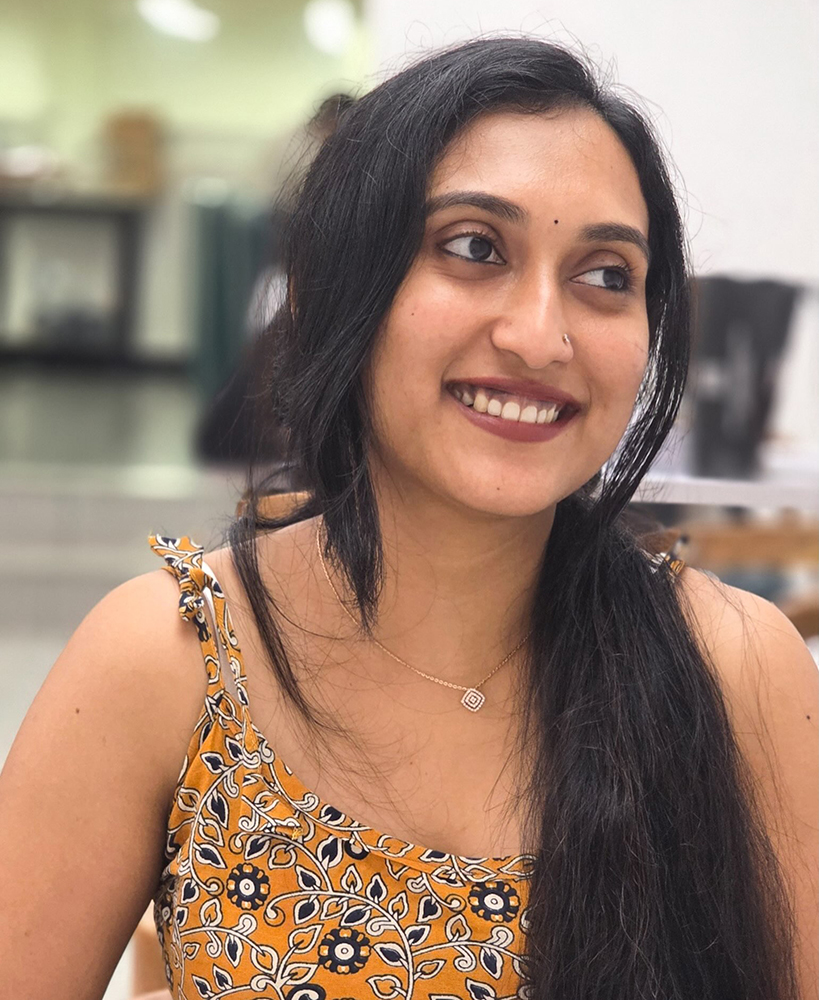
She was in her Bharatanatyam costume. Peacock blue silk, the gold belt already at her waist, the chandrahasam necklace at her throat, the chandelier earrings catching the evening light, the full performance regalia — here, at my door, on a Saturday at seven o’clock. Her hair open, the full black length of it down her back. The cloth bag over one shoulder — the ghungroo, I understood. She had come dressed to be undressed — by me.
I stood aside. She came in.
‘Tea,’ I said.
‘No.’ She set the bag down on the floor and looked around the flat — the living room, the cleared space I had made without examining too closely why I was making it — and then she looked at me with the expression she’d had in the examination room. Decided. Past revision.
She opened the bag and took out the ghungroo.
I stood where I was and I watched her hands.
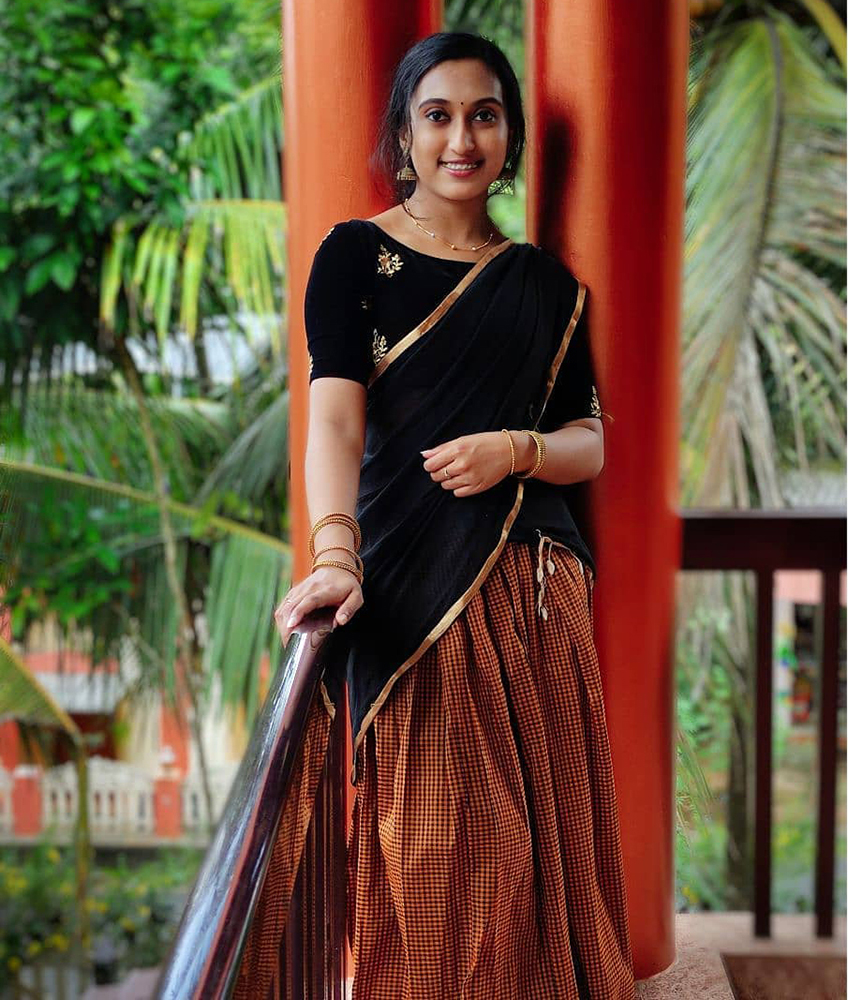
She set the bag down, crouched to the floor, and began tying the ghungroo around her left ankle — the teal skirt spreading around her, the gold belt catching the lamp light. The brass bells caught the light.
Three loops of the familiar knot, the same knot she had tied since she was nine years old — I could see the economy of it, the muscle memory in her fingers.
She tightened it and stamped once, hard, and the sound filled my living room the way it had filled concert halls and courtyards, and something in my chest moved at the sound of it here, in this flat, on a Saturday evening with the door closed and no one else in the building.
Right ankle. Same knot. She stood.
She looked at me.
Two years. The concert hall in Thrissur, the bachelor party, the examination room, every family function, every occasion where I had been precisely what I was supposed to be.
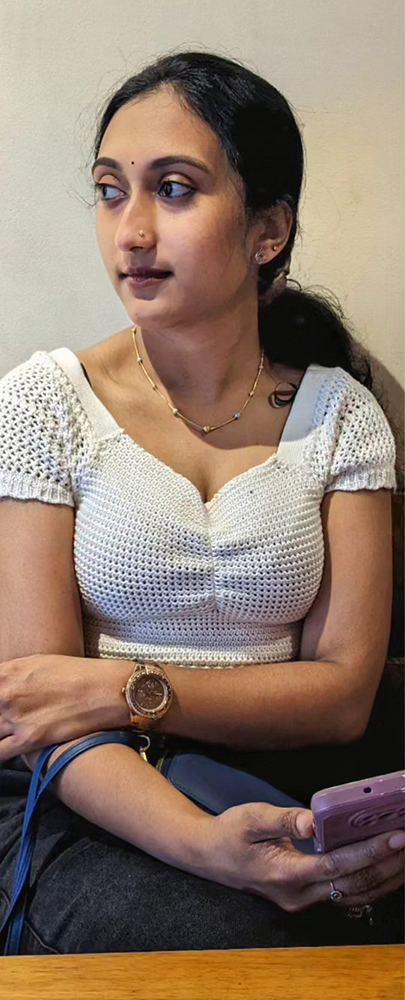
Two years of the compartments holding because they had to hold, and now she was standing in my living room with the ghungroo at her ankles and the mangalsutra at her throat and the compartments were done.
She began.
Full Bharatanatyam — feet finding araimandi without searching for it, the deep outward bend of the knees dropping her weight low, the posture that years of training puts in the thighs and hips and never fully releases. Her arms came up to their opening position. The ghungroo marked every stamp. She moved into the first sequence and the living room became something else — not a living room, not a flat, not a Saturday evening. Just her and the sound of her feet and the music she was carrying inside herself without any accompaniment at all.
I watched the sweat come.
By the third minute it was at her hairline — the peacock blue silk darkening at her spine, the blouse of the costume turning at her armpits, those damp crescents I had been watching from concert hall rows and courtyard walls now two metres from my face. A drop from her hairline to her temple to the line of her jaw, behind her ear, down her neck, into the shadow of her collarbone and then into the blouse, and I tracked it all the way, and I did not move.
Five minutes. She finished the piece.
She sat — lowering herself to the floor with the control of a woman whose body knows how to do things, the ghungroo ringing as she settled — and reached for the end of her costume drape to wipe her neck.
I crossed to her and took her hand.
She looked up at me. I crouched beside her and brought her wrist down from her neck, gently, and she let me, and I put my mouth where the fabric would have gone — the side of her neck, just below the jaw, where the sweat had gathered in the hollow above her collarbone and I licked her sweat.
The salt of her. The heat of her skin after twenty minutes of dancing. I stayed there long enough to feel her breathing change, and then I moved my mouth to her throat and she made a sound low in her chest that she did not close off.
I lifted my head. Her eyes were on mine.

I kissed her.
It started careful — the first press of mouths, tentative, two years of distance giving way one millimetre at a time — and then it stopped being careful. Her hand came up to the back of my neck and she pulled me in and her mouth opened and the careful was gone entirely. Two years in that kiss. The concert hall and the examination room and the courtyard and the Saturday evening she had been in Bangalore and everything since. Her tongue and mine. Her breath and mine. Her hand tightening at the back of my neck like she intended to finish what she’d started, which she did, which I already knew she did.
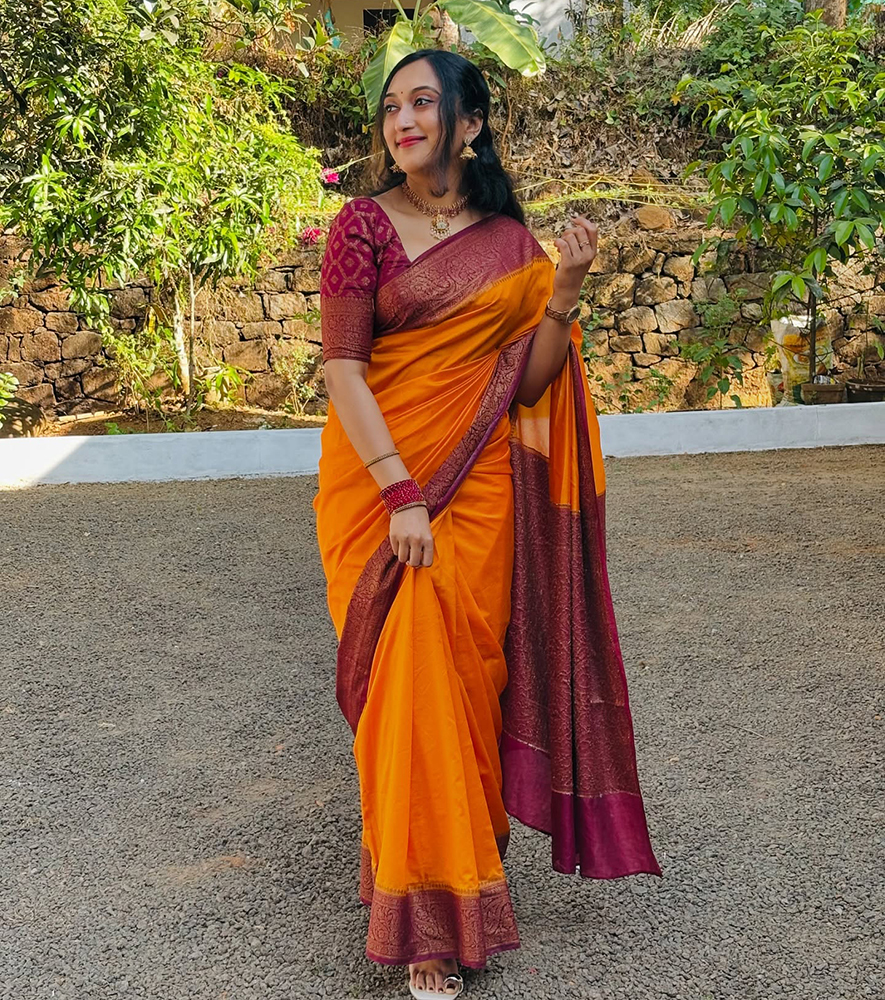
I pulled back first. Looked at her flushed face, her open mouth, the ghungroo bright at her ankles.
‘Too many clothes,’ I said.
Something moved across her face — the corner of her mouth, barely.
‘Your feet must be tired,’ I said.
I sat on the floor and lifted her feet into my lap.
The ghungroo stayed on. I worked around them — my thumbs into the arch of her right foot, the heel, the ball, the specific points where a dancer carries twenty years of rehearsal and performance in the connective tissue.
She exhaled slowly. I worked down to her toes and back up to her calf, the muscle there dense from the araimandi, from the stamps, from the thousand hours of training that had put this body together, and I felt it all under my hands.

I brought her foot to my mouth.
The ghungroo rang against my jaw as I kissed the arch of her foot — the instep, the heel, the base of her toes. Then her toes themselves, one at a time, my mouth closing over them, and she inhaled sharply and her hand came down to rest in my hair and stayed there. The brass bells of the ghungroo were cold against my cheek. I took my time. I moved to the left foot and did the same, and by the end of it her breathing was audible and her hand in my hair had stopped being a resting hand and become something else.
I looked up at her from her feet.
‘Too many clothes,’ she said.
She stood. I stood with her. She reached up and unclasped the chandrahasam necklace at her throat — both hands at the back of her neck, the gold chain coming free — and held it out to me. The gesture deliberate. I took it. Brought it to my nose for a moment — warm metal, her sweat, the jasmine in her hair — and then I set it on the coffee table.
She began again.
The same feet. The same araimandi. The same arms and the same mudras and the same ghungroo — but the necklace was gone and I was in the room with her and what she was doing with her body now was Bharatanatyam the way a suggestion is a command. The form was there, the training was there, but the intention underneath it had changed and we both knew it.
I moved with her.
I reached for the gold belt at her waist and unclipped it, and she turned as I worked it free — her body accommodating, the dance not stopping. The belt went on the coffee table. We were moving, slowly, toward the bedroom. The chandelier earrings next — I unclipped the right one, then the left, placed them beside the necklace. The headpiece: I found the pins with both hands and drew them out one by one, and her hair fell, the full black mass of it, down her back. She kept dancing. The living room floor held the gold belt’s ghost in the lamp light. We crossed to the hall. She was dancing and grabbed her pallu, taking her saree apart and she was both things at once.
Once it came off, I held it to my face and breathed in her before throwing the saree behind me.
My shirt came off in the doorway. I dropped it. Her eyes went to my chest for a moment and then she was dancing again, past the doorway, into the bedroom, the ghungroo marking every step on the wooden floor.
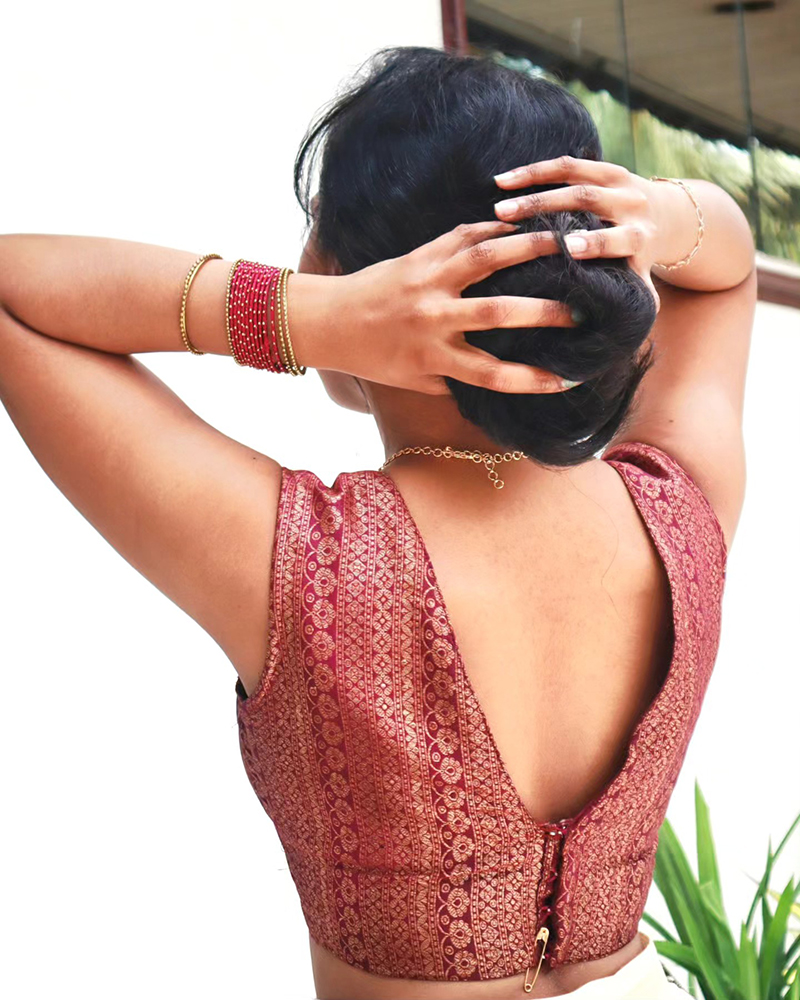
The blouse next. She danced toward me and presented her back — the costume blouse damp through at the armpits, the hooks in their row — and I put my face to her right armpit first, my mouth on the damp fabric, the heat and salt of her there, and I felt her breath catch. I stayed. Then my fingers found the first hook and I worked it free. The second. She was still moving — the small shifts of a dancer’s body at rest, the constant adjustment, the ghungroo ringing softly with it — and I worked each hook slowly, my mouth moving along her shoulder, the back of her neck, and by the seventh hook the blouse was open and I drew it off her shoulders and it fell.
She turned to face me.
She was in the bra, the petticoat, the ghungroo. She was dancing — the Bharatanatyam frame still there, the arms, the slight bend of the knees, but she was dancing for me now and only me and in a register that classical form was never designed to hold. Her arms came up and her hips moved and the petticoat swayed and I watched her and my mouth was dry.
I crouched at her feet.

My hands found the drawstring of the petticoat at her waist and I worked the knot, my face at the level of her stomach — the bare skin above the cotton damp from another ten minutes of movement, the salt of her different here than at her throat, warmer, closer to the bone. I pressed my mouth to her navel and stayed, breathing her in, and she inhaled sharply and her stomach contracted under my mouth.
The knot came loose. The petticoat began to slide and she lifted her right leg — full dancer’s extension, straight, her foot coming up to my shoulder, the ghungroo resting against my jaw — and held the pose while I drew the petticoat down and off and let it fall.
I looked up at her from the floor. Her leg on my shoulder, the ghungroo at my face, her eyes on mine. The bra and the panties and nothing else, the strip of bare skin from her ankle to her hip, the long straight line of her leg against my shoulder.
She brought the leg down.
I stood. The dance was gone now. What remained was the residue — the posture, the muscle memory, the way she occupied her body that twenty years of Bharatanatyam had put there and could not be untrained. She stood in my bedroom in the bra and the panties and the ghungroo and she was looking at me with dark, steady eyes, and I kissed her again.

This one was different from the first. The first kiss had been the opening of a door. This one was what was on the other side of it — hungry from the start, her hands at my belt, mine at her back pulling her against me, her mouth demanding in a way that answered every question I’d been carrying since the third row of a concert hall in Thrissur.
She was stroking me through the fabric, her hand sure and deliberate, and I made a sound against her mouth and she did it again.
Her hand went inside.
I stepped back long enough to pull off what remained of my clothes.

She watched me from the bed with her hands loose at her sides and her eyes eyes weny wide when my underwear came off, and that told me a thing or two about the size of Unni’s cock. Her chest rose and fell, her face still flushed from the kissing. The watching was its own thing, a woman who has decided and is not looking away from what she decided on.
I had her on her belly on the bed. She went without resistance, one fluid movement, her hair spreading across the pillow.
The bra clasp was at her spine. I unhooked it and slid the straps off her shoulders and the bra came free, and then I put my mouth behind her ear — the thin skin there, the warmth, the small hairs — and I felt her shiver. Her earlobe between my teeth, gently. The nape of her neck. Then down.

Her spine, vertebra by vertebra, my mouth moving south at the pace I chose.
The smell of her sweat changing as I moved — salt at the neck, something warmer at the small of her back. Her body, sweaty and salty, tasted even better than I had imagined.
Her muscles shifted under my mouth as her breathing changed. I reached the base of her spine and went lower, my hands spreading her buttocks apart, my mouth on each one in turn — the full curve of them, the heat of her skin.
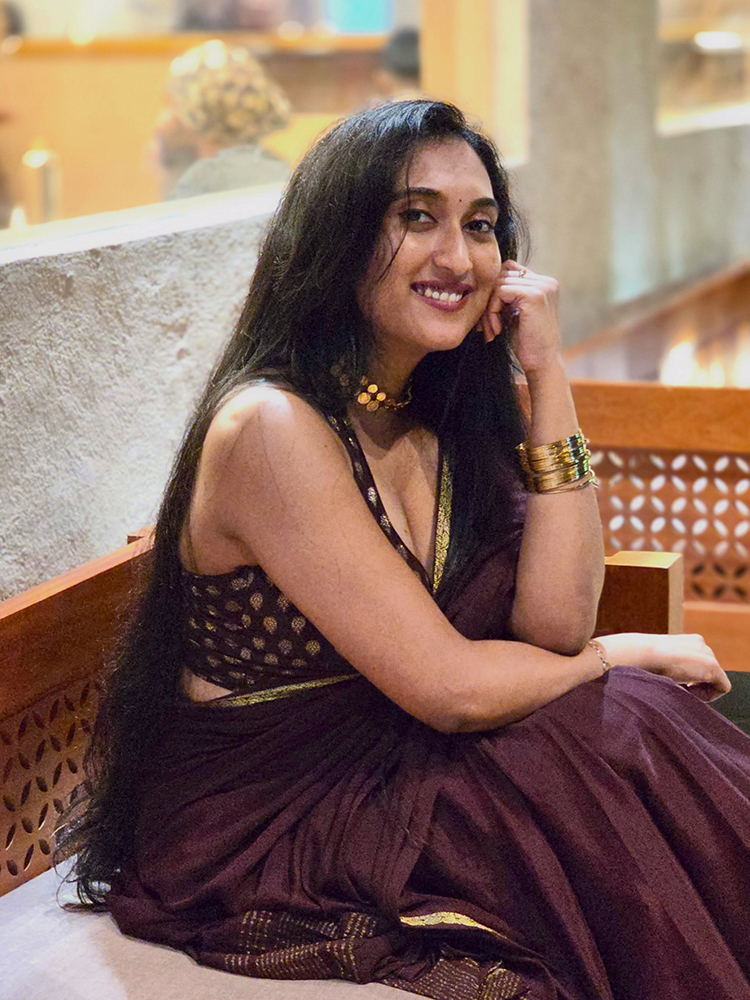
She pressed back against me. I went down the backs of her thighs, the soft skin behind her knees, her calves — the muscles dense and hard from the dancing. I reached her ankles and the ghungroo were in my face again, the brass cold against my lips, and I pressed my mouth to the skin above them.
I turned her over.
She lay on her back on my bed, the bra gone, the ghungroo on, and I looked at her.
I want to be accurate about this moment. I had imagined it — from the third row of the concert hall, from the bachelor party, from the examination table, from every controlled occasion in between. I had imagined it with precision. None of that precision had prepared me for the fact of her.
Her breasts were exactly as I had thought and nothing like what I had thought. The weight of them, the way they fell slightly to each side when she lay back. Her nipples — small, dark, already hard in the cool of the room — and I looked at them for a moment before I moved, because I had been looking at the shape of them through silk and cotton and performance costume for six months and I wanted to take the sight of the real thing in before I touched her.

I put my mouth on her right nipple.
The sound she made was not what she had made on the floor, or in the hallway, or during the blouse hooks. This was different — sharper, shorter, cut off at the root, as if the sensation had arrived before she was ready for it. I closed my lips around her and drew slowly and her back came off the bed and her hand found my head and pressed me down. I gave her right side everything it was asking for and then I gave the same to the left, and by the time I lifted my head her chest was flushed and her nipples were swollen and she was looking at me with an expression that had nothing of composure in it.
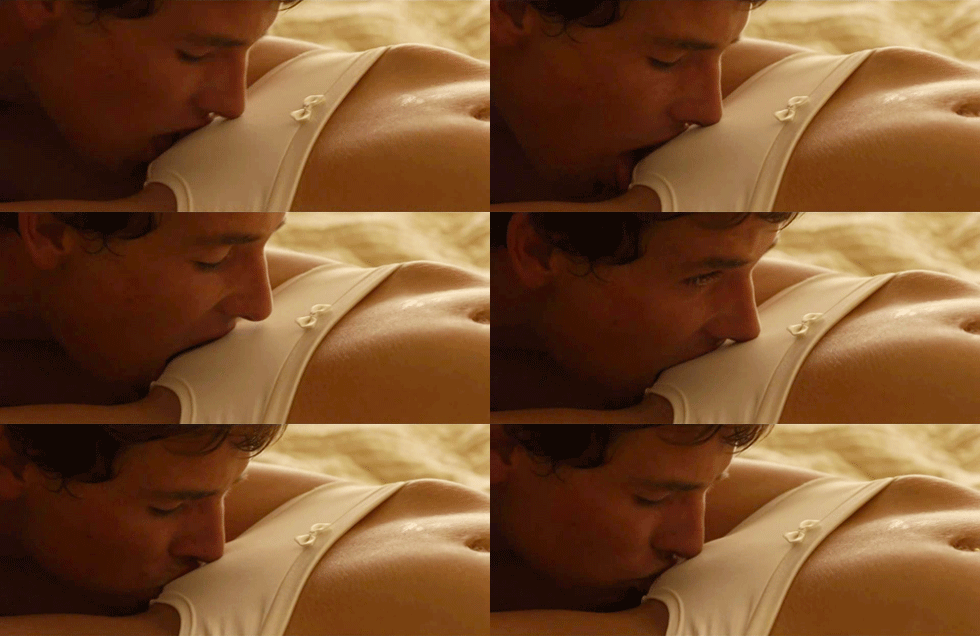
Then I moved down her body, kissing and licking her all over her belly, probing her navel, then lower. Her panties had a visible damp patch and that wasn’t sweat. I kissed it and then licked it, tasting her — a little salty and a little sweet.
I ate her over her panties and she was begging me to take them off. She was bucking her hips into my mouth, moaning and groaning, climbing to the pleasure she wanted. I knew she was close.
I stopped. I had seen her pussy in my examination room. A whimper escaped her lips. She grabbed my hair and tried to pull me back into her. I held back, waited, let her come down.
I was so hard, I could no longer deny myself that which I wanted to fill with my seed. I took the panties off.
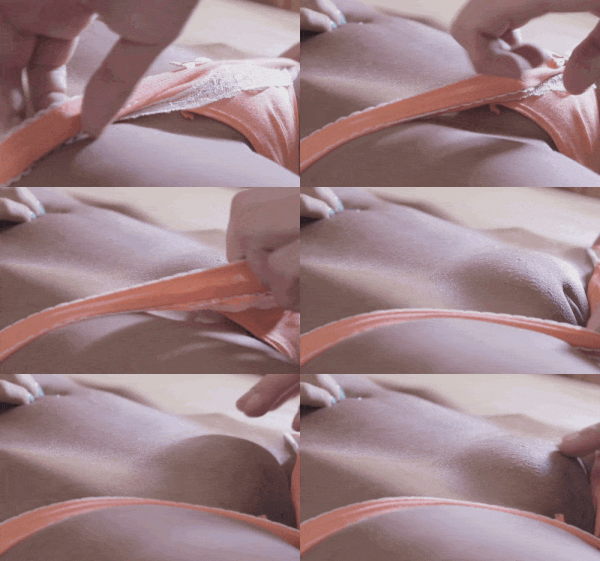
I looked at her and caressed her mound. Shaved, neat, flushed and open and wet — what I had seen on the examination table under clinical light with gloves on and professional obligation between us, now mine without any of that.
The smell of her hit me first. Sweat and arousal together, the specific smell of a woman whose body had been dancing for twenty minutes and then held at the edge for ten more, and it was exactly what I had been imagining from the third row of a concert hall and the front of an examination table and I put my mouth on her and took it.

I ate her.
Directly, no cotton between us, my tongue on her and my hands holding her open and my face buried in her because I wanted to be buried in her — because I had been watching this woman’s body sweat through silk and cotton and teal Bharatanatyam costume for two years and now I had my mouth on her pussy, tasting her wetness mixed with her sweat and I was not going to manage it toward her pleasure.
Her hands were in my hair pulling me in.

I inserted two fingers in her pussy and curled them upwards, moving them in and out of her and she came apart completely with a cry of raw pleasure.
I ate her through the orgasm without stopping, her body curling toward me rather than arching away, her thighs closing slowly rather than snapping.
I kept going, hungrily lapping up her juices, keeping her coming and the orgasm going, drinking her nectar through the last of it until she was pulling me up by the shoulders.

I looked at her and licked my lips.
When my mouth came off her pussy, she fell back, panting a look of pure contentment on her face. Her hands fell back over her head, “Oh God. Uncle.” she groaned between gasps.
Her face was flushed, a delicate sheen of sweat covered her body. My eyes rested on her armpits.
I had been watching these armpits for two years. The damp crescents through three concert hall performances. The white eyelet blouse at the family function, dark through by twenty minutes. The teal costume blouse in my living room, soaked through by the fifth minute.
“You are so sweet, beta,” I said, “I could eat you all night.”
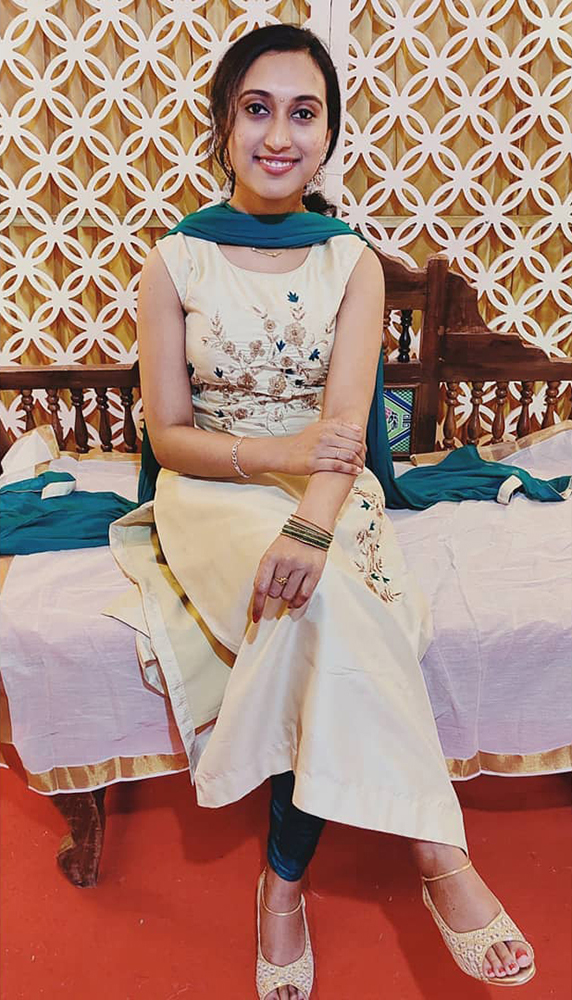
“God, Uncle, no,” she said, still panting, “I will die.”
“Then something else,” I said and buried my face in her armpit. The smell of her there — sweat and jasmine from her hair and underneath both of those something that was only her — went straight through my chest like a current.
I licked the hollow of it. She inhaled sharply. I stayed, my mouth open against her skin, taking my time with something I had been waiting for since a concert hall in Thrissur, and I felt her hand come up and grip my hair and I stayed anyway.
I licked both her armpits and then the rest of her body — from her toes and feet, past the ghungroo, up the inside of both legs, her belly, her navel, her breasts, her throat.
Then I turned her around and went down from the back of her ears, to her neck, down her back, both her butt cheeks, then the slit between them. Then I licked and ate her ass for her few minutes before going down both legs.
Then I moved over her. She spread her legs, took hold of my cock and started stroking me.
I looked at her — the full length of her, the ghungroo at her ankles, the sweat still on her skin, the open flushed line of her pussy that I had first seen on an examination table with gloves on and professional obligation between us and now had without either.

She guided my cock to her pussy, and I pressed into her.
The first moment. Her breath went out. Her eyes stayed on mine.
She was tight — tighter than I had expected, the tightness of a woman who has been having a man put four thrusts into her on a kitchen counter and calling it sex for two years.
“Uncle, slow.” she mumbled.
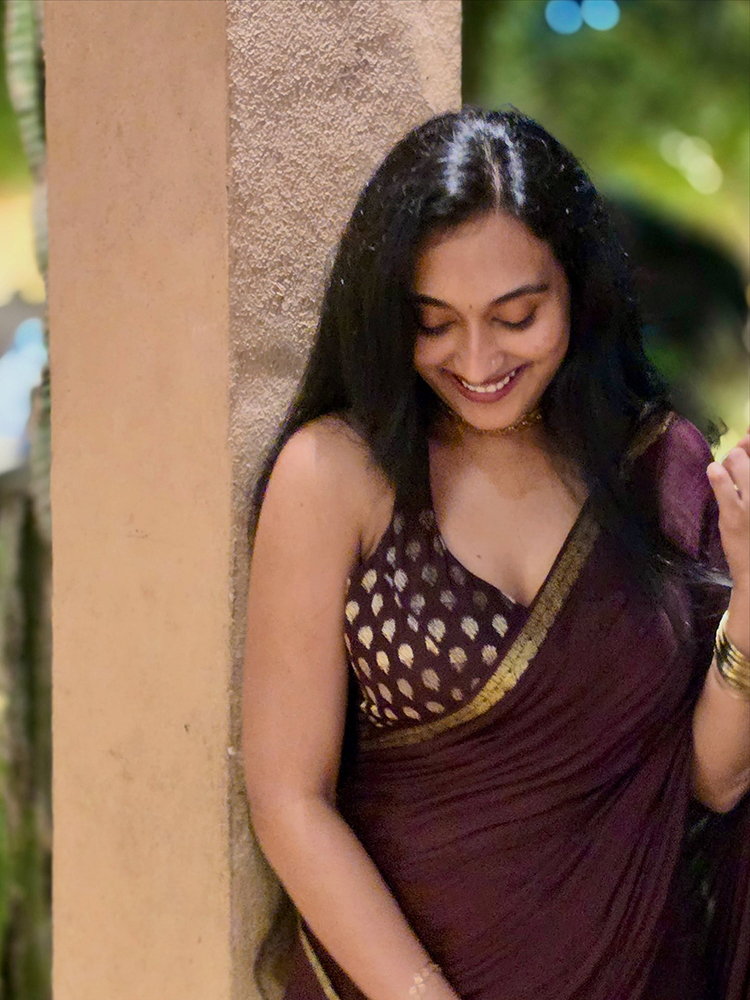
I felt her open around me and I did not go slowly out of consideration. I went slowly because I wanted to feel every centimetre of it.
My nephew’s wife’s pussy taking my cock. That was the thought I had, plainly, without dressing it otherwise, as I pressed deeper and felt her open and felt the heat of her close around me.
His wife. My nephew’s wife. I was going to fill her full of my cum and I was going to impregnate her. Every concert hall, every family function, every examination table: and now this.
‘More,’ she said.
I pressed deeper and she exhaled and her hips tilted up and I felt the hunger in that tilt and I gave her more because I wanted to be deeper in her, not because she asked.
“Oh God, beta,” I hissed into her breast, “you are so tight.”
“Uncle, you are huge.”
Then I I fucked her.

Not performed it. Not managed it toward her pleasure. Fucked her — my cock in my nephew’s wife’s pussy, her legs pulling me deeper, the ghungroo ringing with every thrust, the sound of her filling the flat. I took what I had been patient for. Her calling me uncle, asking me for more, deeper, harder.
Two years of concert halls and examination tables and family courtyards and bachelor party toasts — I took all of it back in the time I was inside her, and I took it the way I had been intending to take it since the third row of a concert hall in Thrissur. She was loud. I told her to be louder and she was. I told her to call me uncle and she did. I asked her if she wanted me to come in her and she said yes.
I was picking up the tempo gradually with each thrust.

I kept her at the edge. Not for her — for me.
Because holding her there felt like having something I had wanted for a long time and being in no hurry to let go of it. She cursed at me.
She drove her hips trying to take the pace back and I held mine steady and let her fight for it, her nails in my back and her heels locked above me and the ghungroo ringing with every small desperate movement. I had two years of patience behind me. I spent it.

Then I gave her everything at once and she seized — her back off the mattress, thighs clamped, the ghungroo hitting the headboard twice — and clenched around me in long waves.
She said aiyyo. Then a sound with no word in it, from the bottom of her. I kept moving through it.
“Uncle!” she gasped.

And I creamed her pussy. Not a footnote — the whole point. The reason the examination table mattered, the reason the concert hall mattered, the reason I had sat in the third row and watched the sweat spread across her blouse for three performances.
I pumped my come into my nephew’s wife’s pussy and felt it — the heat of it leaving me, the fullness of it going into her, her body receiving mine. His wife.
I finished and kept moving until the last of it had gone into her, and she held me in place with her legs locked around me and her hands in my hair, and I stayed there. Both of us knowing, in the way two people know things they do not say, exactly what we had just made possible.
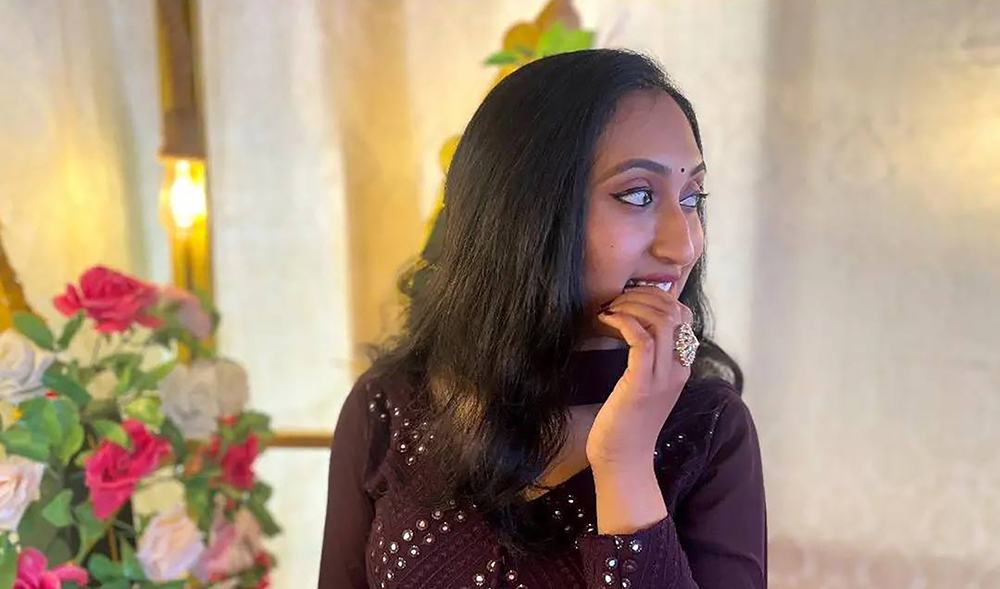
His ceiling has a water stain in the upper left corner, a faint brown ring from some old leak, and I have been looking at it for the past several minutes.
I am also aware of what he left inside me and how much of it there was. The warmth of it, still there.
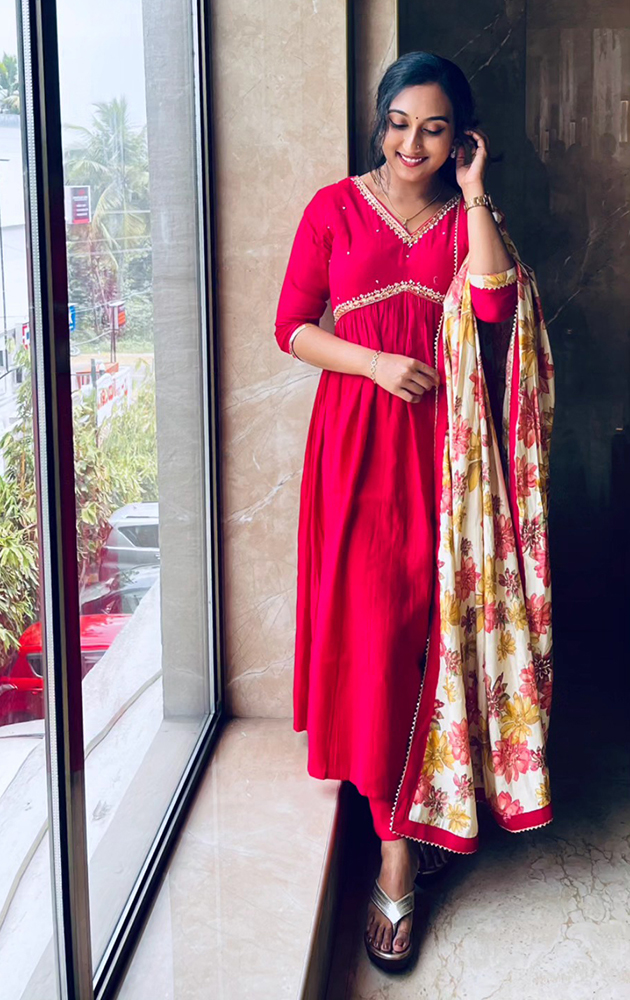
I lie with it and I do not feel what I expected to feel — I feel it. The specific weight of what we just did sitting in my body as a physical fact. His come in Unni’s wife’s body. I have not thought in those terms before and I think in them now and what I feel is not guilt and not regret. It is the feeling of a woman who asked for something and got it, completely, and is now lying in the evidence of that.
The ghungroo are still on. I am aware of them at my ankles and the bed under my back and the warmth of the room and the quality of silence that follows something that has been a long time coming. My body is doing the thing it does after, the slow return, the inventory. I feel every muscle that was involved. That is a substantial inventory.
He is beside me. Not asleep yet — I can feel him not asleep, the weight of a body still present and still attentive. His mouth is at my armpit, lips warm and slow there, not asking for anything, just remaining. His hands are on my breasts, unhurried, the way he has been touching them all evening — as if the evening belongs to him and he is spending it carefully, as if there is more and he knows it. The ghungroo ring softly when I shift against the sheet.
‘You remind me of Sreejith sir,’ I say.
His mouth comes off my skin. He lifts his head and looks at my face — the bindi smeared at my hairline, the hair across the pillow, whatever is in my eyes right now that I have stopped managing — and he waits.
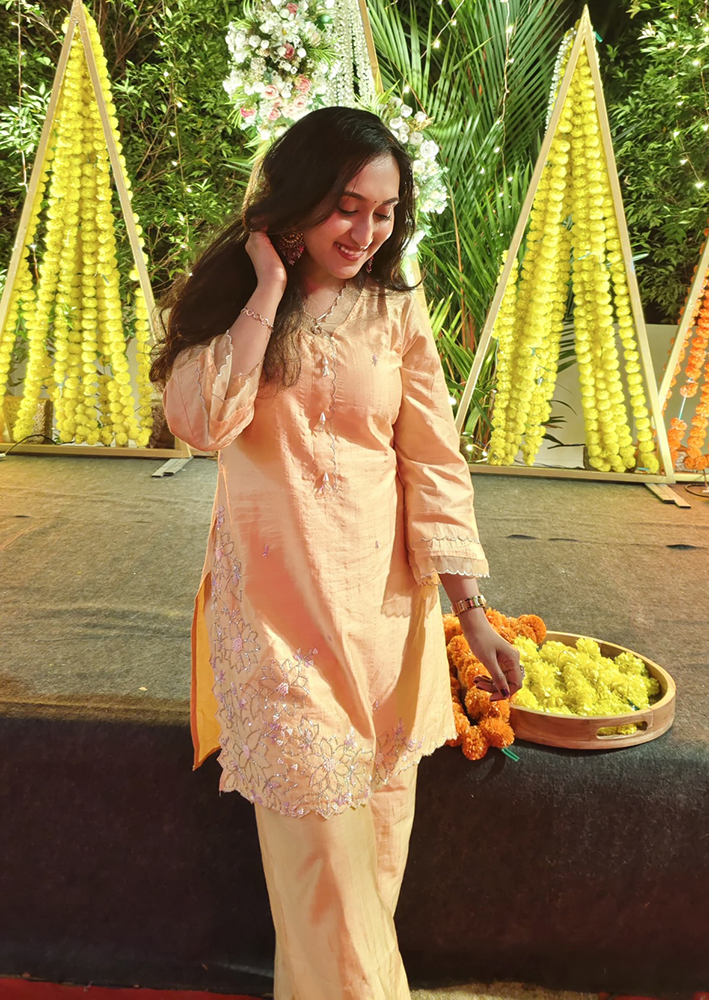
‘He used to make my body a channel of his pleasure,’ I say.
A beat.
‘Like you did.’
Quieter: ‘I missed that.’
He looks at me for a moment. The smeared bindi. My hair. Whatever my eyes are doing that I have stopped curating. Then he puts his mouth back on my skin. His hands move on my breasts and his mouth moves lower and I close my eyes and let the ceiling go.
I have not felt this in two years. I had not felt this before two years ago in the way I feel it now, which is: thoroughly. Not a bathroom ceiling and someone’s hand over my mouth. Not four thrusts before the milk boils. Thoroughly. Used.
Satisfied in the way that requires someone to know what they are doing and to keep doing it past the point where they are done, until you are also done. The distinction seems simple. It is not simple. It is the difference between two years of one thing and tonight.
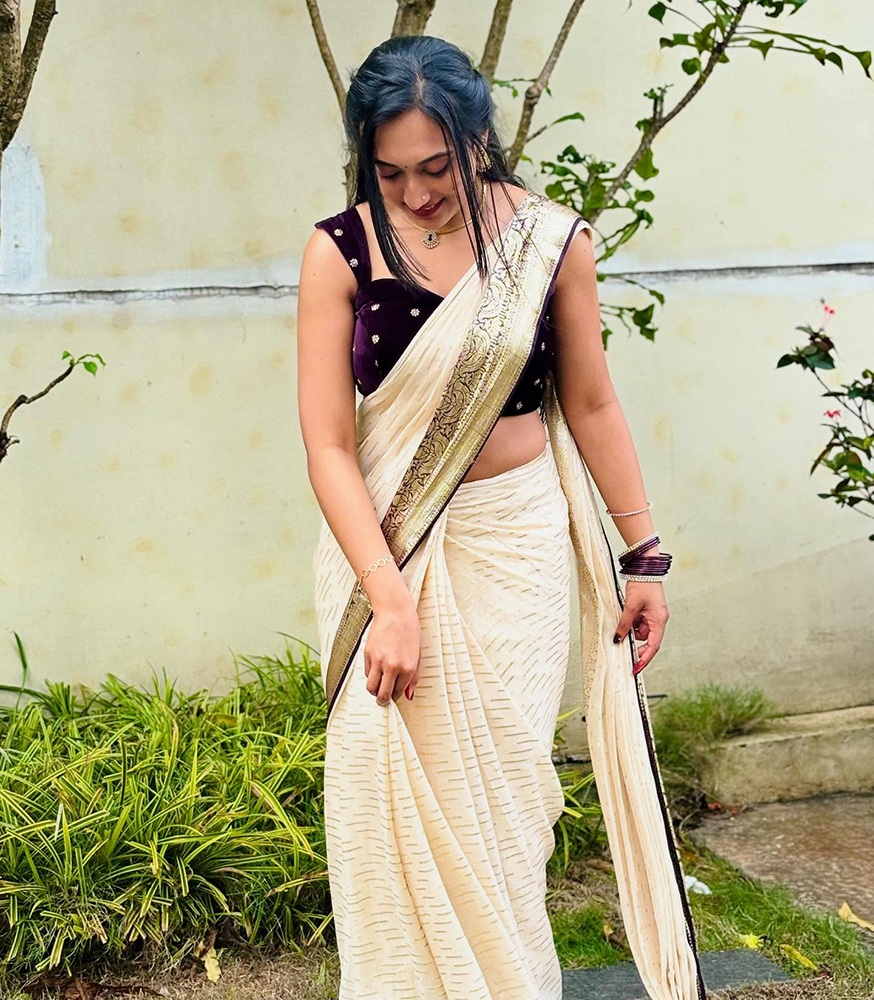
The recognition that comes is not guilt. I have waited for guilt the way you wait for pain after an injury — the shock first and then the pain — and what arrives is not guilt. It is recognition. I have a pattern and the pattern is older than Unni and older than Sreejith sir and older than the arranged marriage and it is this: I am drawn to the men who see me. Not the men who look. Seeing is different. Mathew uncle has been seeing me from the third row of a concert hall since the engagement, and he saw me on the examination table and he saw me in the function courtyard and he saw me tonight on this bed with a thoroughness I am going to feel for several days.
I have stopped expecting the pattern to be corrected.
I reach for him.
He is on his back, arm across his eyes, breathing. He moves the arm when my hand finds his chest.
‘Do you like anal,’ I say. It is not quite a question.
He looks at me for a moment. ‘With you, beta…Yes,’ he says.

I take what I want. I have been taking what I want since I crossed to the bag and took out the ghungroo and there is no reason to stop now. I position myself and take my time — the dancer’s knowledge of angle and weight, of where the muscle yields and where it does not. I take him in slowly and the sensation arrives differently than before: fuller, a pressure at the edge of too much that does not tip over because I control the depth, the pace, how far. The ghungroo ring with every movement, the brass bells against the sheet, that same sound from every stage and every courtyard, absurd and grounding at once. I let myself be loud in a register I have not used before — not performing it, just releasing what is there — because there are no walls here that belong to anyone else and the sound is mine to make.
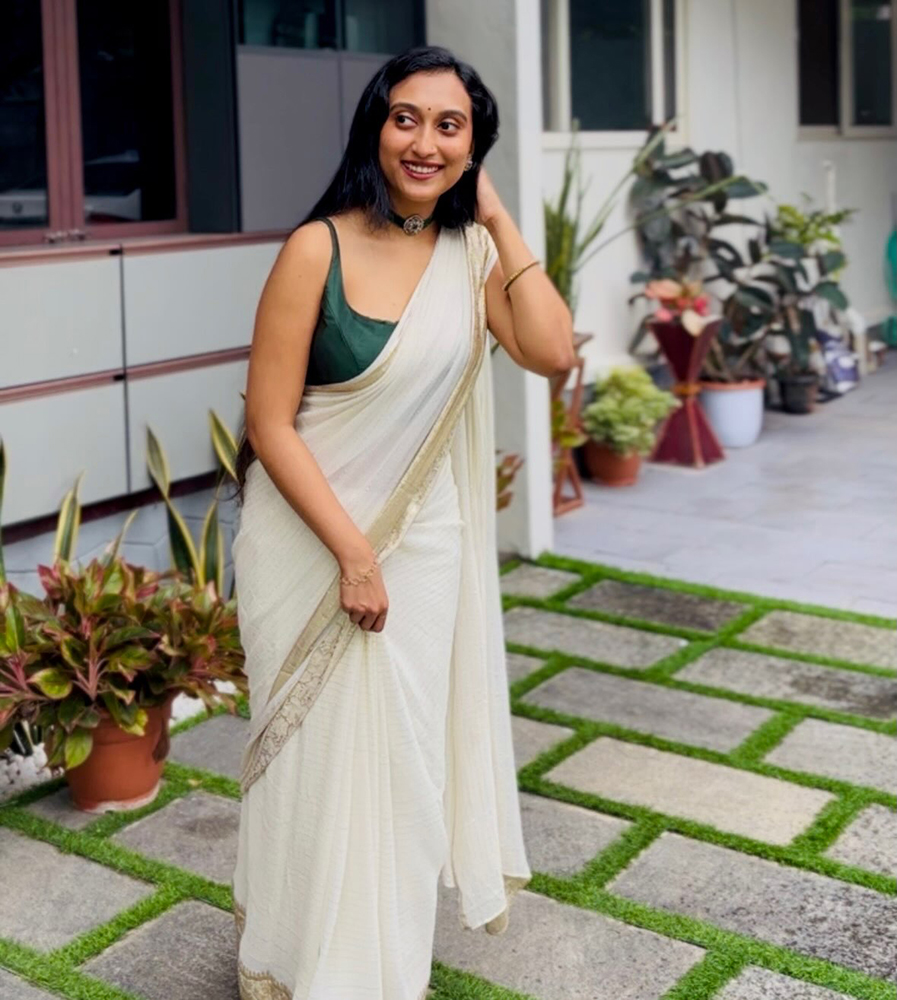
He keeps his hands on my hips and follows my pace. That is the correct response and the first correct response of that kind I have experienced. I take everything I came here to take.
We sleep after. He produces a blanket without being asked and I sleep beside him in the dark in the way I have not slept in two years — the metabolic sleep of a body that has been asked to do everything it knows how to do and has done it.
Sunday I leave early. He is awake when I go. We don’t say much. I take the bag. The ghungroo are inside it. The mangalsutra is at my throat. I walk to my car and drive home and I am back in the kitchen making chai before Amma-in-law’s alarm goes off.
Unni doesn’t ask where I was Saturday. He had his Bangalore trip, came back Sunday evening, found me at the kitchen table with a book and asked if there was food, and I heated what Amma-in-law had left and he ate it and told me about the meetings and I listened. This is the marriage. I have made my peace with the marriage.
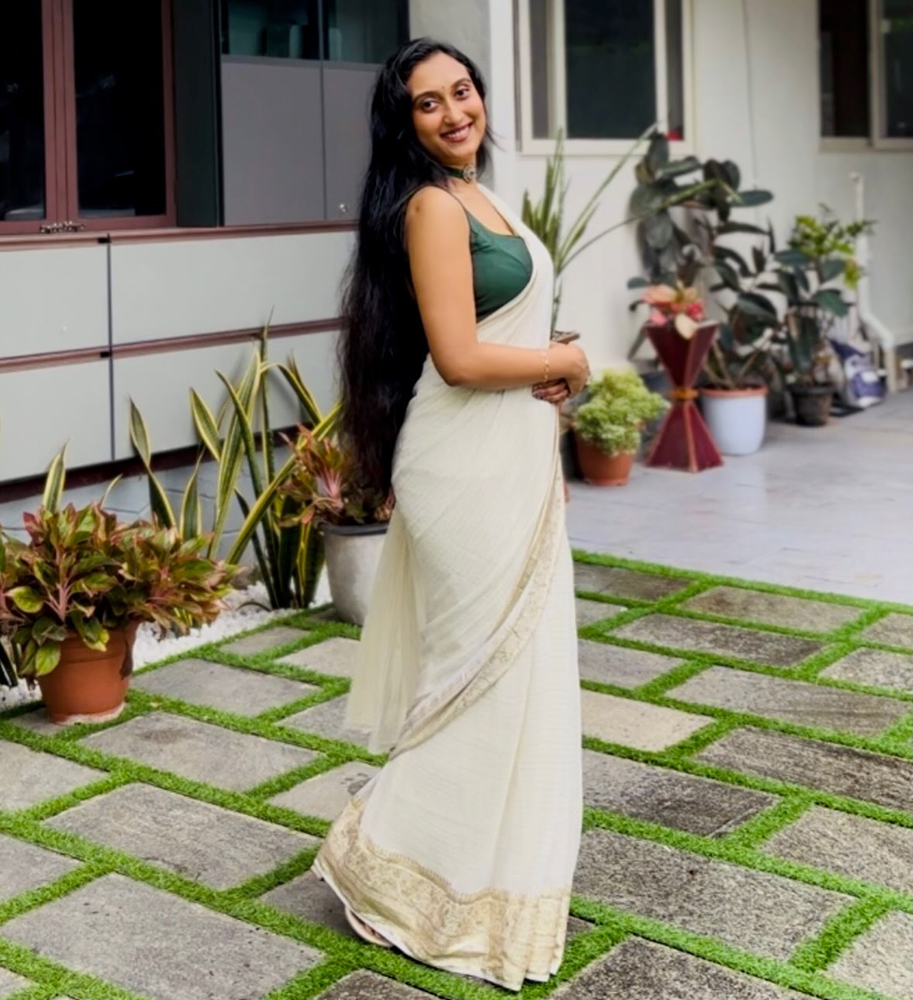
The decision had been made before Saturday. I understand that now, sitting across from him at breakfast on Monday, watching him eat his upma and scroll his phone, the posture of a man comfortable in his life. I made the decision in the corridor outside our bedroom when I said Mathew uncle is family and nothing leaves this family. I made it in the examination room when I said that’s not necessary to the offer of a female doctor. I have been making it in small increments since month fourteen.
Wednesday morning, Amma-in-law napping after lunch, Unni at the office.
I stand at the kitchen window with my phone in my hand. The compound outside is quiet, the afternoon light thick and yellow through the leaves. I dial.
He answers on the second ring.

‘You offered to help with the baby situation,’ I say.
A pause. ‘I did.’
‘I’m calling to take you up on it.’
I hang up.
Outside the window a crow lands on the compound wall and looks at something beyond it and flies away.
The kitchen is the same kitchen it always is. I put the phone in my pocket and start thinking about what to make for dinner.

She tells me on a Sunday.
We are at the breakfast table — the same table we have eaten at every morning for two years, the same chairs, the same window with the compound wall beyond it — and I am eating my puttu and she says, without preamble: ‘I’m pregnant.’
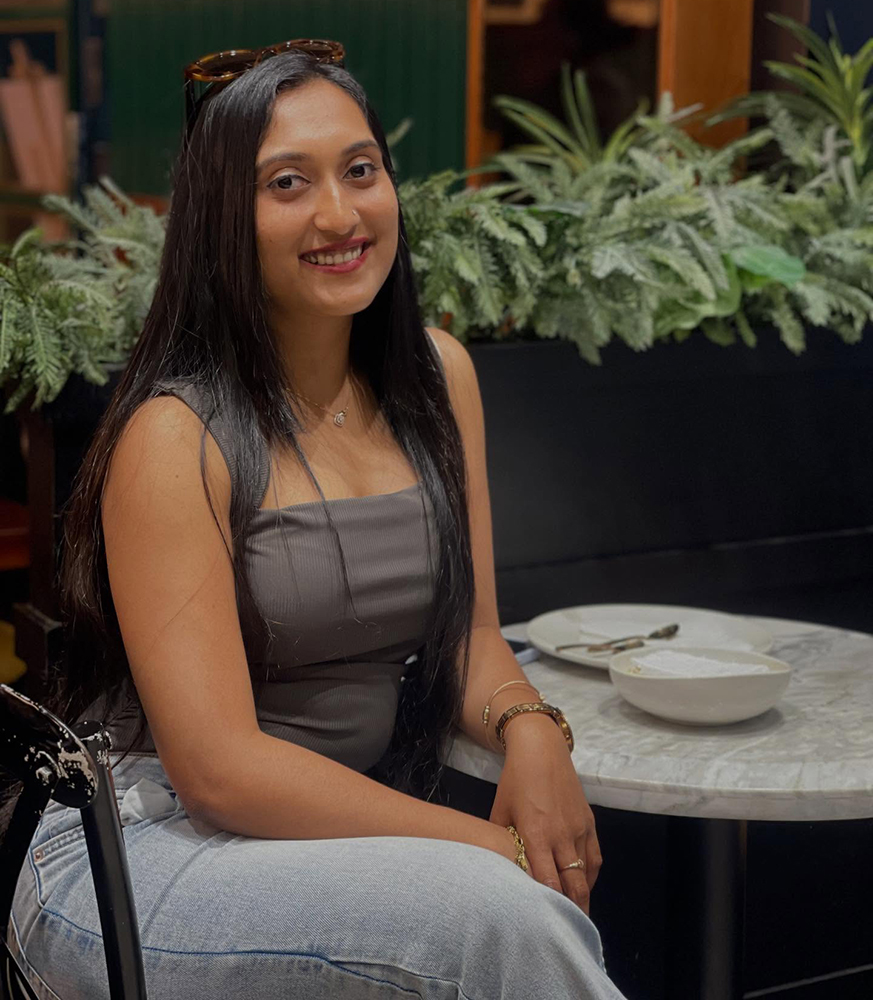
I put down my spoon.
There is a thing that happens in your chest when you have been waiting for news for two years and the news arrives. It is not quite joy, not at first — it is the collapse of a tension you have stopped noticing because it has been constant, the release of something held so long you had forgotten you were holding it. The feeling of a fist opening. Then the joy comes up through the hole the tension leaves, and it is enormous.
‘Say it again,’ I said.
She said it again.
I called Amma first. Then Achan. Then, before I called any of my friends, before I called her family, before I called anyone else, I called Mathew uncle. He answered on the second ring.
‘Mathew uncle,’ I said. ‘She’s pregnant.’
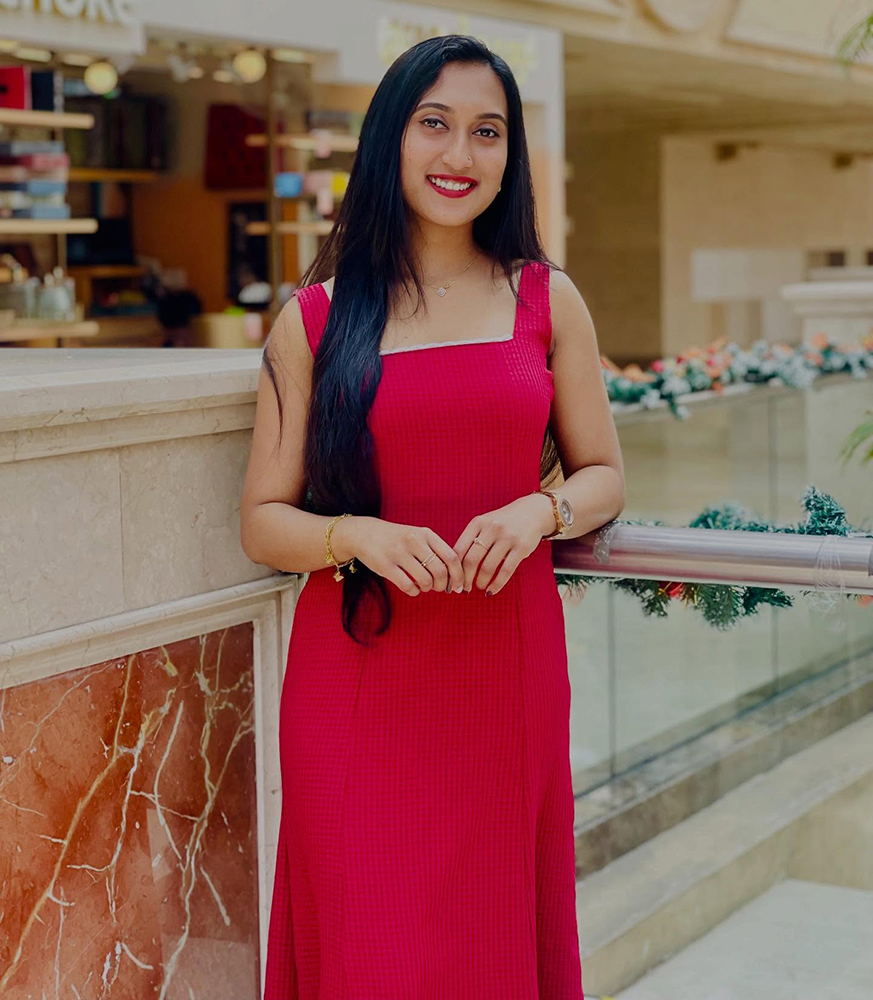
A pause. ‘Is she.’ His voice was warm. Unsurprised, I thought — but he is that kind of man, Mathew uncle, the kind who takes good news steadily, without performance. Unsurprised because confident, because he had told me everything would be alright and it had been alright.
‘The tests,’ I said. ‘The results must have been—’
‘These things resolve,’ he said. ‘Sometimes they do. Don’t analyse it, Unni. Just be happy.’
I was happy. I am not a complicated man. I have never wanted complicated things — a good wife, a house that functions, children, the ordinariness of a life that fits around you. By the time I rang off with Mathew uncle the call list was building and the morning was filling and I went to find Vyshnavy to hold her face in my hands and tell her I was the luckiest man in any family I knew.
She smiled. Her eyes went somewhere briefly, then came back.
By afternoon the family had arrived. That is the only way to describe it — arrived, as a category of event rather than as individual people making individual decisions. Amma appeared with three containers of things she had cooked. Achan appeared with his expression of withheld satisfaction, which today was not withholding very hard. Her mother appeared weeping, joyfully. Her aunties. My cousins. The children from every household.
Mathew uncle arrived at five with a bottle of good whisky and Elsy chechi and the expression of a man who has had a pleasant afternoon.
The kitchen was at full capacity. Amma had brought ada pradhaman in a vessel large enough for a wedding. Someone was frying unniyappam. The smell of the house — cardamom, coconut, jaggery, the flowers someone had brought — was the smell of every important day I have had in this family.
Mathew uncle found me in the corridor and put his hand on my shoulder. ‘Good man,’ he said. ‘You see? These things resolve.’ He pressed my shoulder once, firmly, and went to join the men in the sitting room where Achan had opened the toddy.
By nine the house had thinned. Vyshnavy and I were on the veranda in the relative quiet, her legs across my lap, the night sounds of the compound around us.
Mathew uncle was in the sitting room through the open door, glass in hand, talking to Achan about something, his back to us.
‘Two more at least,’ I said. ‘Three. What do you think?’
She looked across the room.
Mathew uncle turned, the way people turn when they feel a gaze, and across the veranda and through the open door, in the light of the sitting room, he and Vyshnavy looked at each other. One beat. Two.
He raised his glass slightly — not to her, not to anyone, a private movement that could have been anything — and what was in his face in that moment was the expression of a man who has done exactly what he said he would do, and is content, and expects nothing further. He turned back to my father.
Vyshnavy turned to me.
‘Me too,’ she said.
THE END
I always look forward to your feedback.
Please comment on the story to let me know what you liked about it.