Mumbai Heat0 (0)
A Slow Burn Interracial Workplace Erotic Story

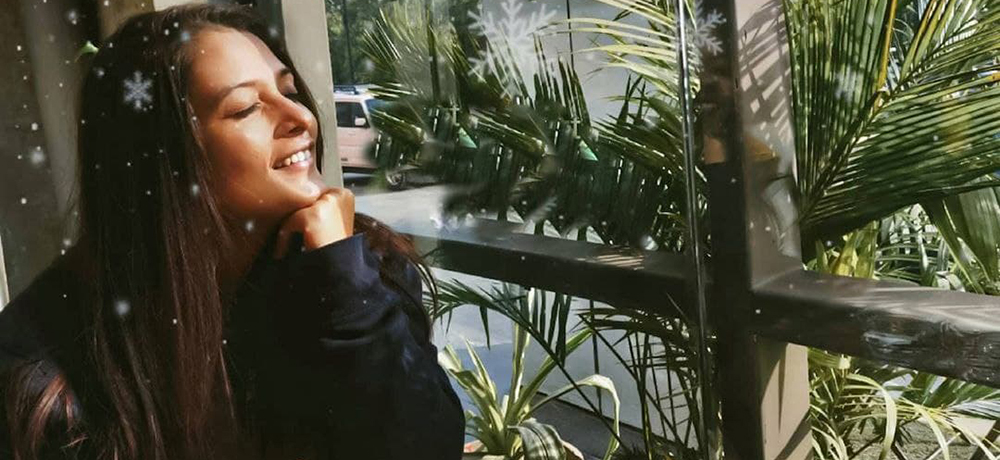
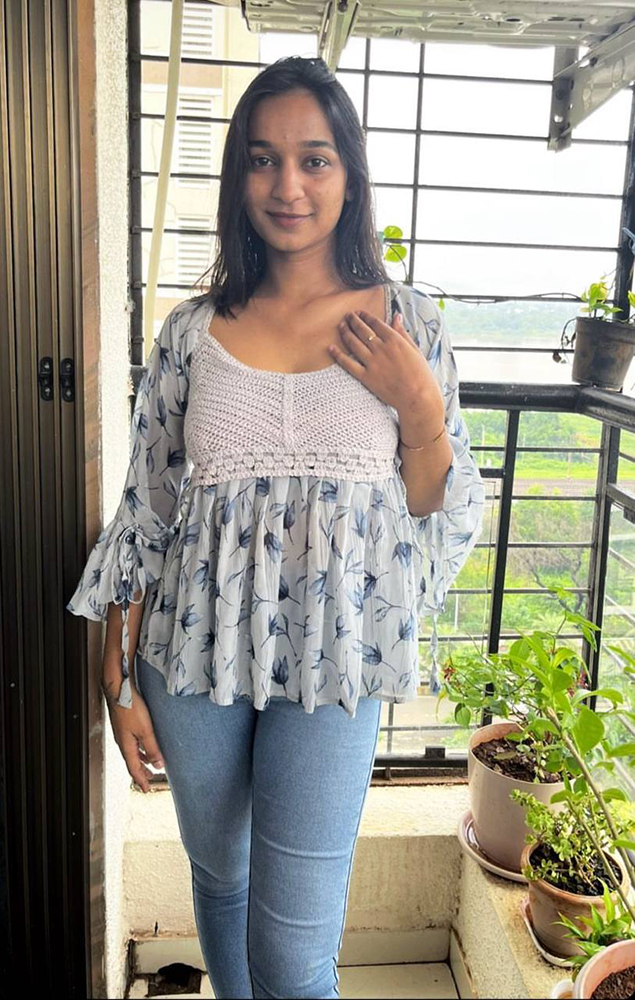
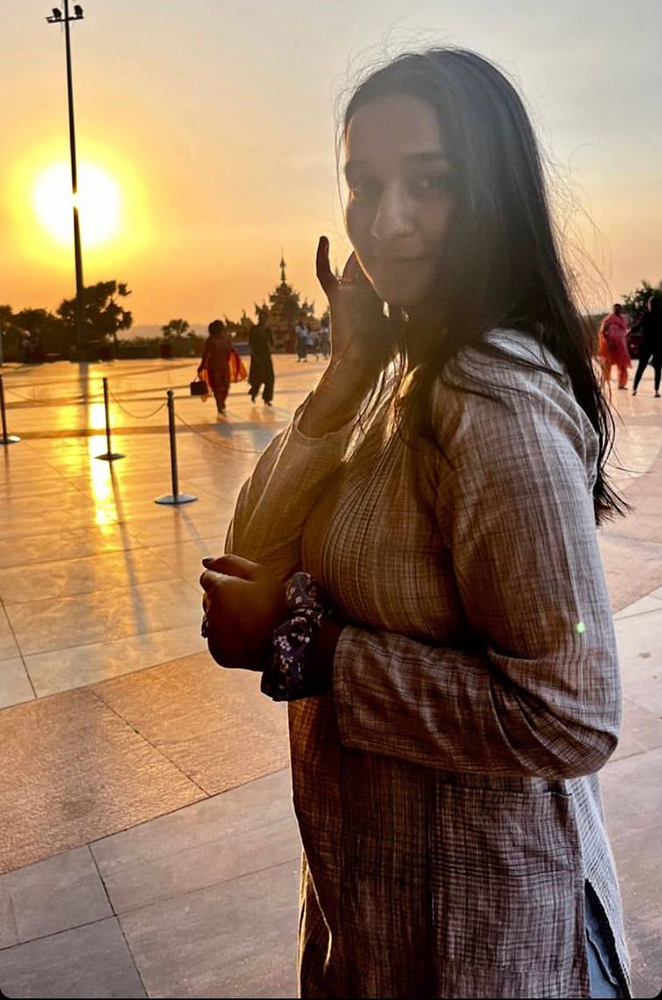
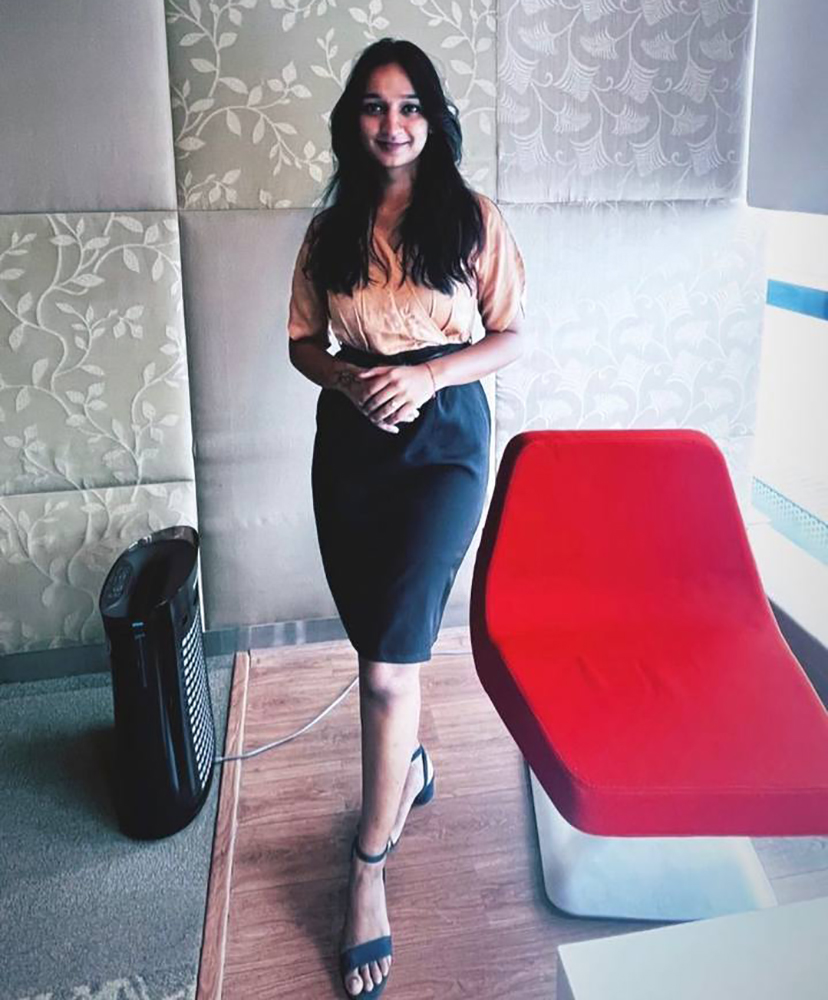
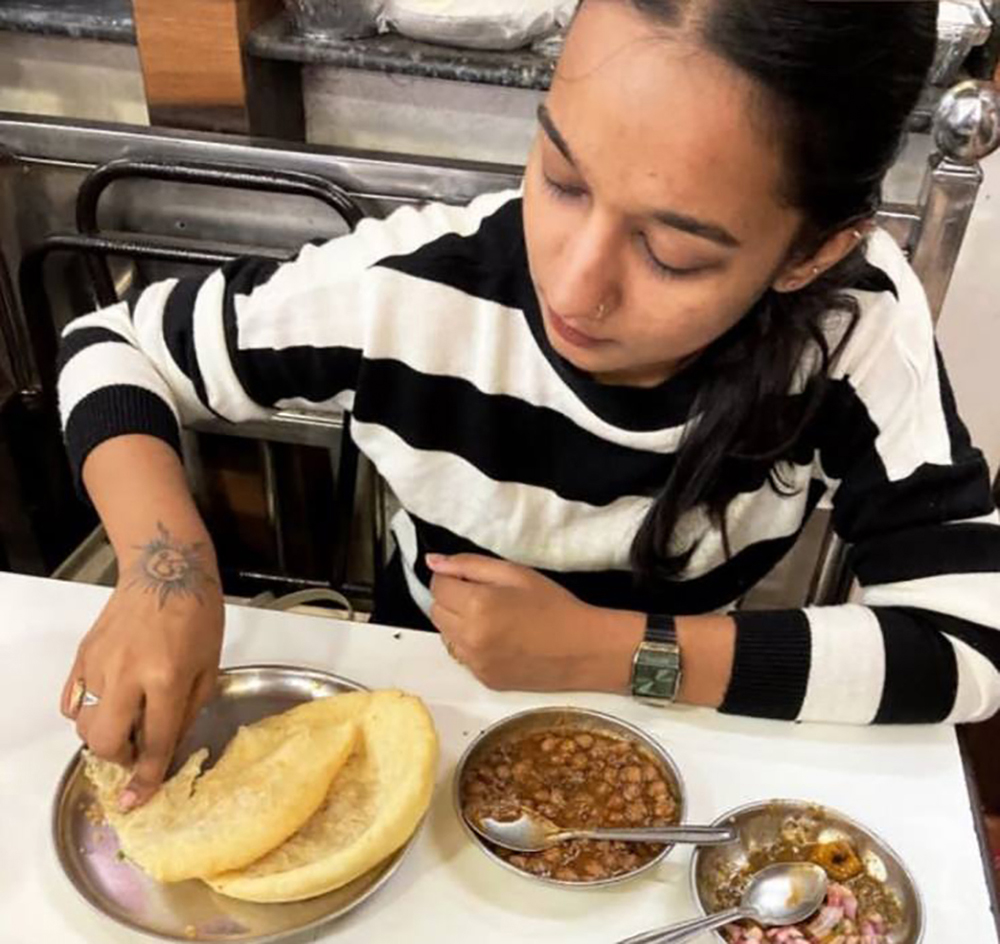
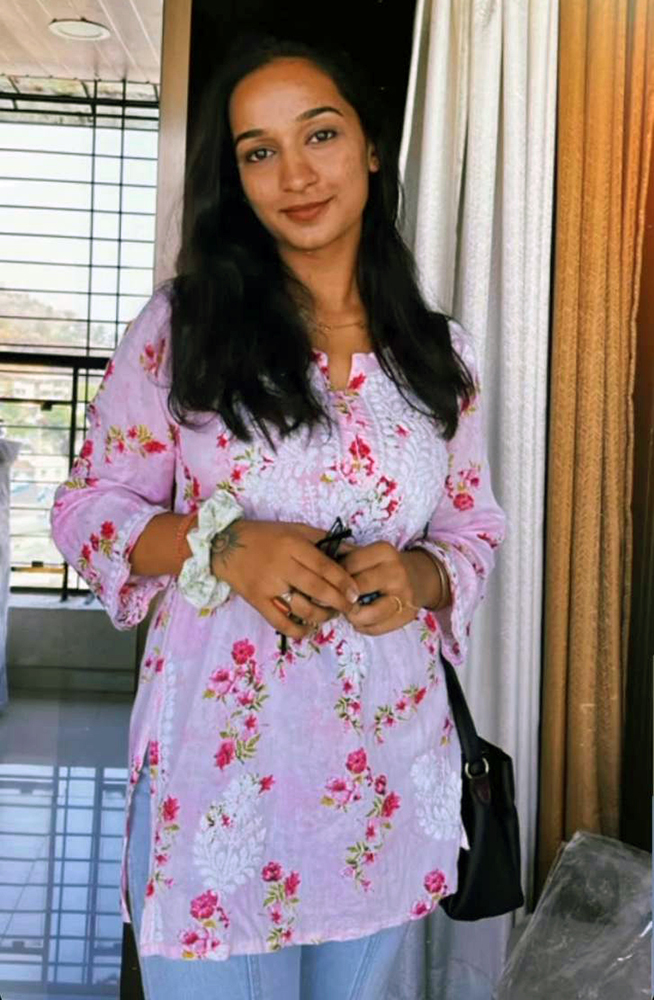
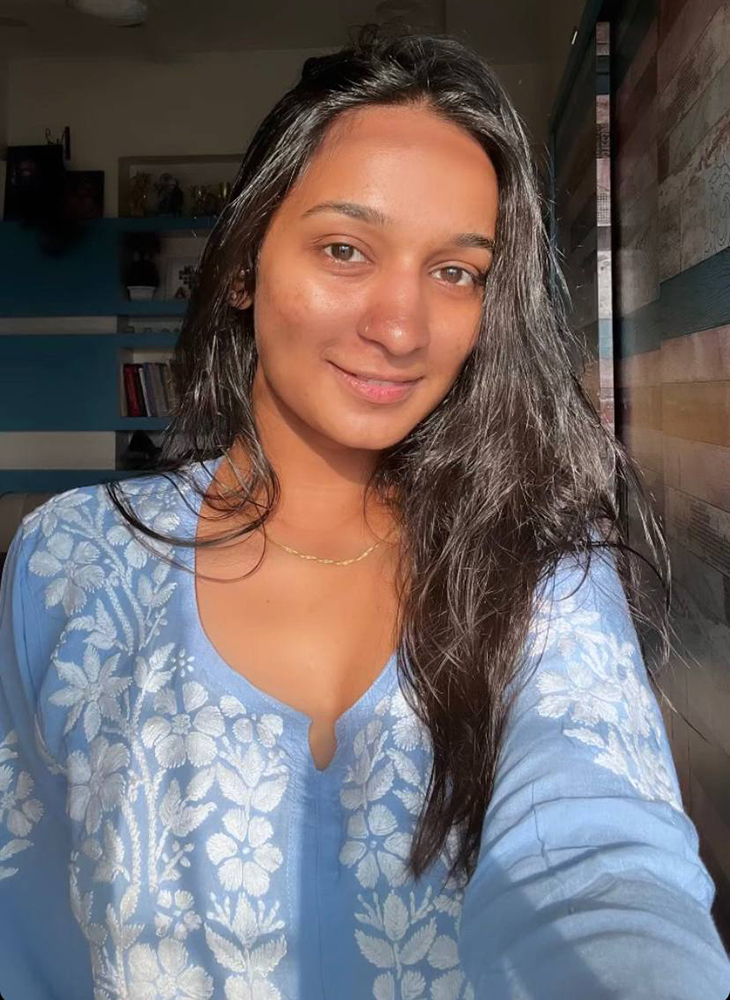
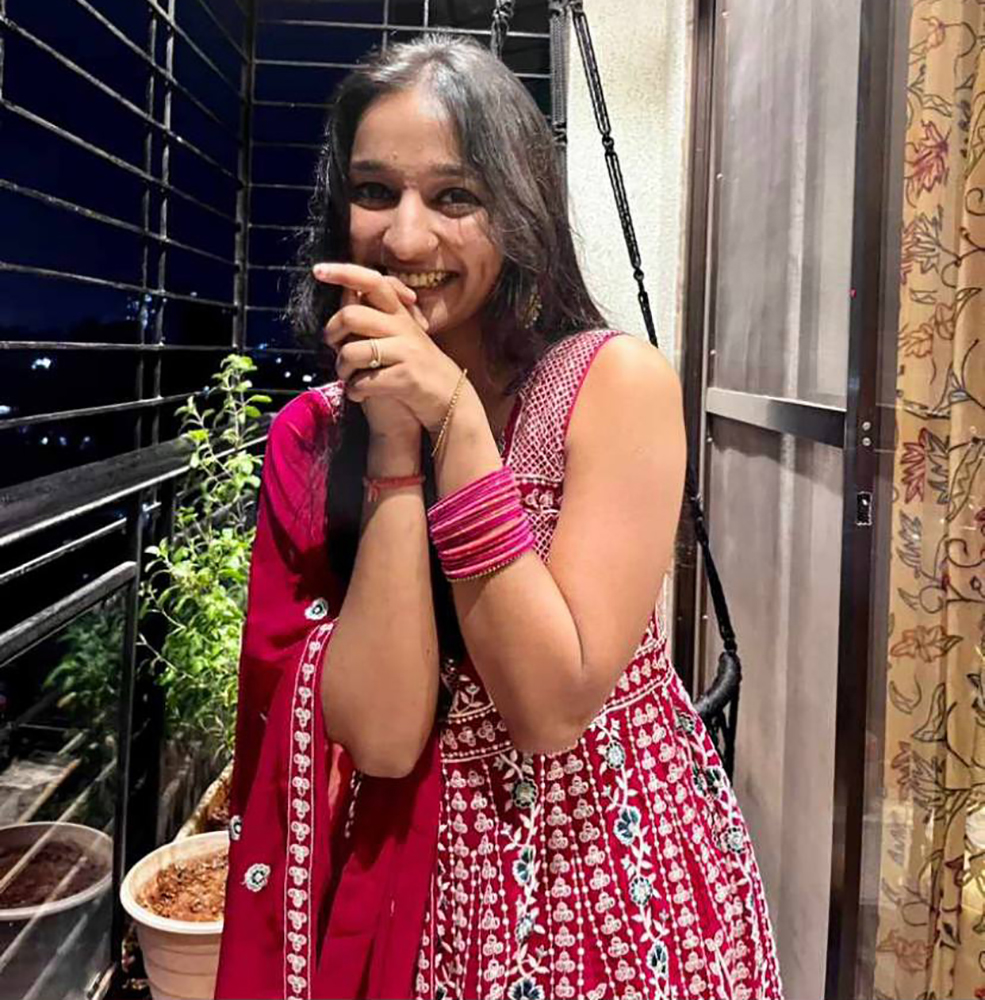
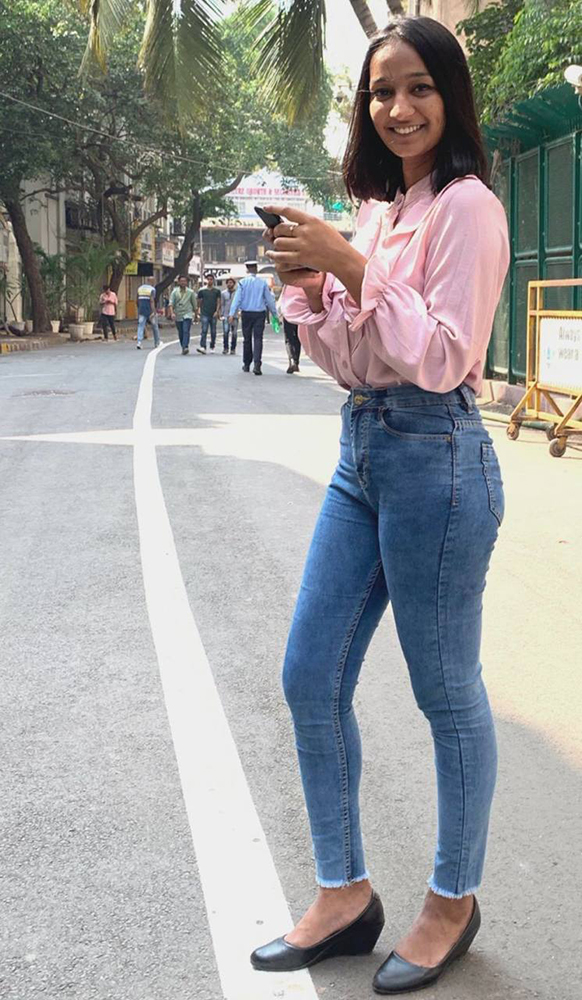
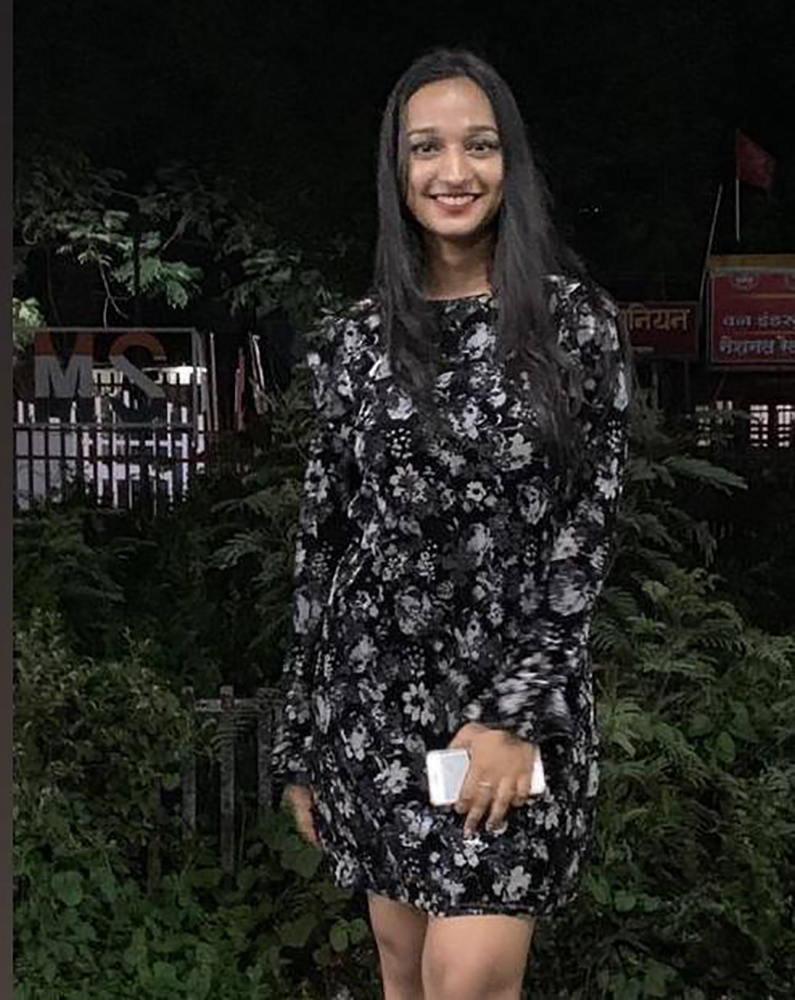
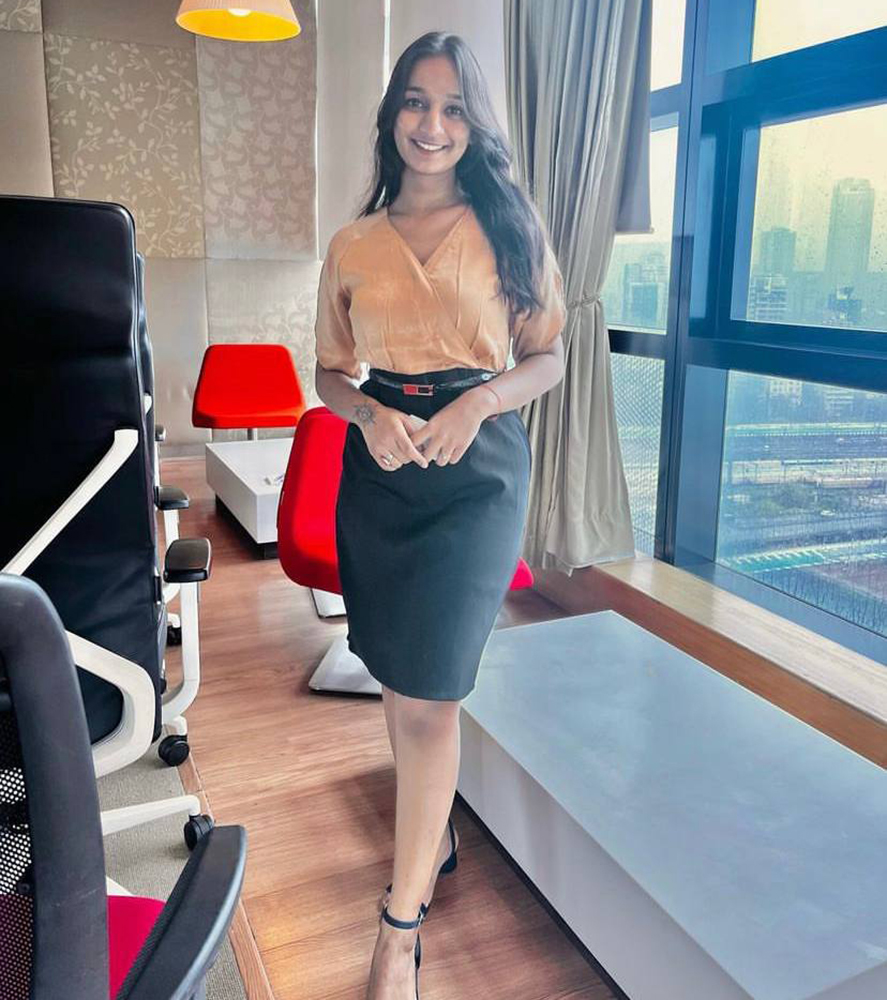
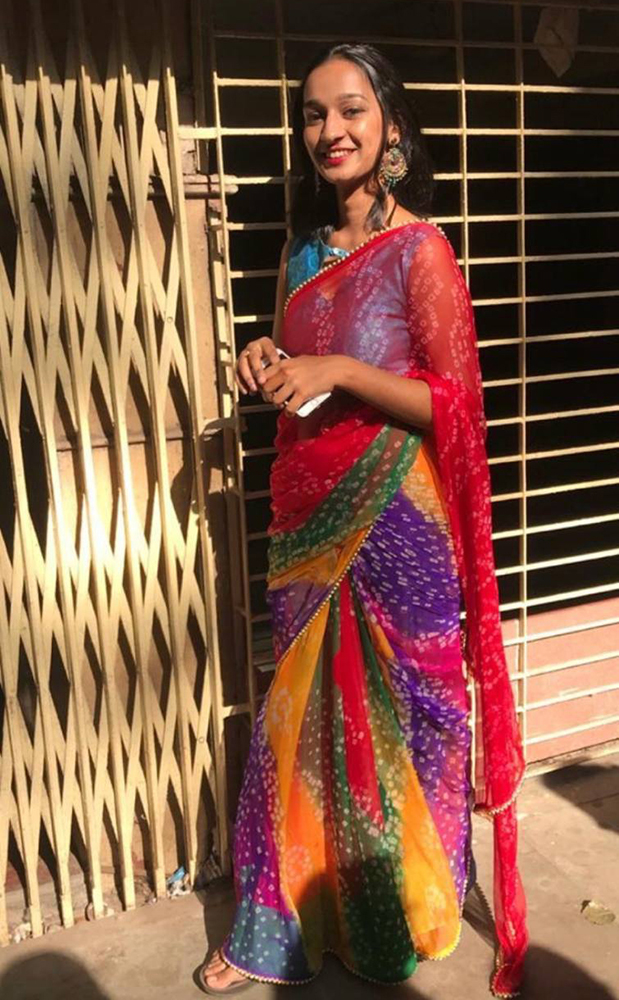
IN PICS: ADITI | CONTRIBUTED BY: YIBYAA (TELEGRAM)
FOR BEST EXPERIENCE, READ ON A COMPUTER OR LAPTOP
Some of my stories are loosely based on real-life incidents, but details are fictionalized. My stories involve unsafe sexual acts. I do not condone unprotected sex and recommend readers to always practice safe sex. The risk is not worth it. These are fantasies and meant for entertainment only. My stories are my hobby — an expression of my erotic side. I mean no disrespect to women featured in my stories. If you know the woman in the story, please write to me and the pictures will be taken down — no questions asked.
Happy reading!
WEEK ONE: Attraction
The brief landed in my inbox on a Wednesday. Callum Harris, Head of IT Infrastructure, London office. Visiting Mumbai for four weeks — team meetings, recruitment drives, infrastructure assessment. Assign local HR contact for onboarding support and cultural orientation.
I read it twice. Then I replied: Confirmed. I’ll handle it personally.
I don’t know why I said personally. Asavari could have done it. So could Mrunal. I had three active hiring cycles and a compliance audit due at the end of the month. I did not need a four-week babysitting assignment for some London import who would spend his entire visit looking down at everything that wasn’t air-conditioned.
I said personally anyway.
He arrived on a Monday. I was waiting in the lobby at nine, which I resented because I am not someone’s driver, but first impressions matter and I was representing the Mumbai office.
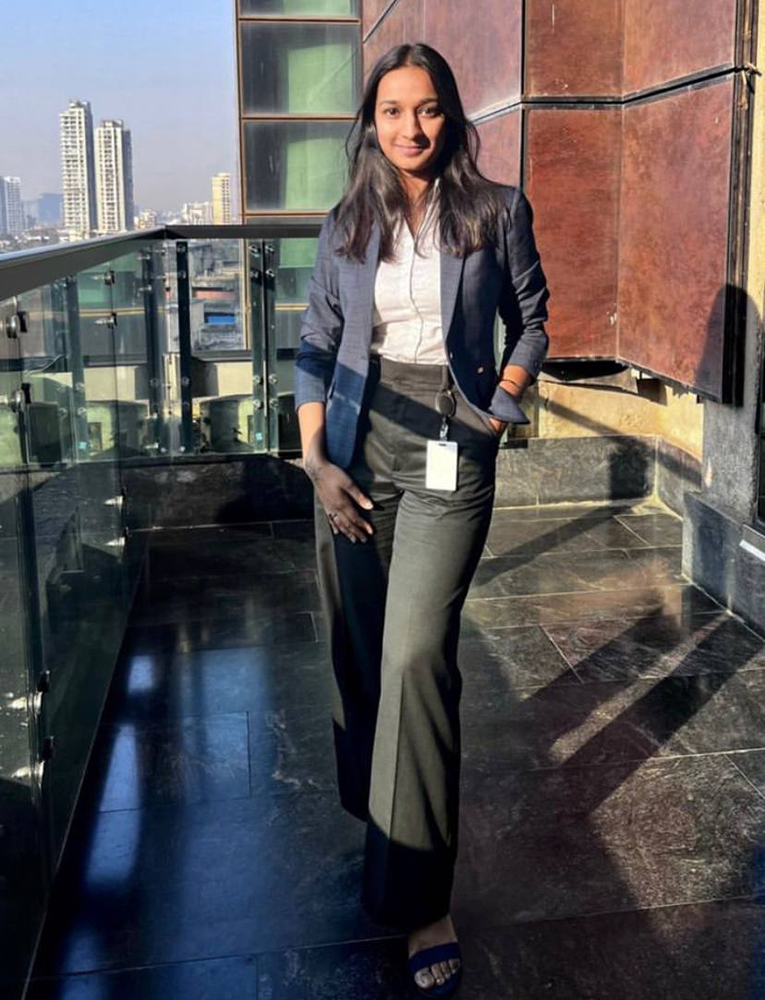
I wore my olive trousers and the navy blazer. Lanyard, low heels. I looked like exactly what I was — a professional who had somewhere more important to be.
He came through the glass doors at three minutes past nine, which told me he was the kind of person who considered three minutes an acceptable margin. Tall, Black, London-sharp in a grey suit that had clearly been ironed by someone who knew what they were doing. He was looking at his phone when he walked in and he looked up at the lobby — at the noise, at the bustle of the reception area, at the two peons arguing in Marathi near the lift bank — and I watched something cross his face.
It wasn’t disgust. It was something more careful than that. An assessment. The kind of look that had already filed everything under not what I expected and was now deciding what to do with that information.
I walked to him.
“Callum Harris. I’m Aditi Nerurkar, HR.” I held out my hand. “Welcome to Mumbai.”
He shook it. Firm. “Thank you. This is — ” he glanced at the lobby again — “busier than I expected.”
“It’s Monday morning,” I said. “It’s always like this.”
Something flickered in his expression. Not quite amusement. He followed me to the lifts.
I spent the first two hours walking him through onboarding admin. System access, building passes, emergency contacts, the canteen schedule. He was polite. He asked sensible questions. He took notes on his phone rather than the printed materials I’d prepared, which told me he’d already decided the printed materials weren’t worth carrying.
At one point he looked out the window at the street below — the traffic, the density of it, the noise even from twelve floors up — and he said, very neutrally, “Mumbai is considerably more… chaotic than I’d anticipated.”
I looked at him. “Chaotic is one word for it.”
He glanced at me. “You’d use a different one?”
“Alive,” I said. “I’d use alive.”
He held my gaze for a moment, then went back to his notes. I filed the exchange and kept going.
Lunch was the canteen — practical, nothing adventurous. Dal, rice, sabzi. I ordered his tray with the mild versions of everything because I wasn’t there to punish him, I was there to introduce him.
He ate with a fork, which nobody in the canteen used, and I saw one of the junior devs clock it and look away. I didn’t say anything.
What I did say, when he pushed a piece of bread around uncertainly, was: “You can use your hands for the roti. That’s what it’s for.”
He looked at me as though I’d suggested something faintly inappropriate. “I’ll manage with the fork.”
“Suit yourself,” I said, and tore off a piece of mine and ate it without ceremony.
I caught him watching. Not the bread. Me. My hands, my mouth, the completely unconsidered way I was eating food I’d eaten a thousand times.
I didn’t look up. I kept eating. But I registered it.
Internal note: he’s watching. Let him.

Marine Drive was not planned. It happened because his last meeting of the day ran forty minutes over and by the time I’d finished the debrief with him it was six-thirty and I’d missed my usual local home and there was no point fighting the evening traffic until seven-thirty at least.
“Is there somewhere nearby?” he asked, when I explained the traffic situation. “Somewhere to walk?”
“Yes,” I said. “Come on.”
Marine Drive at dusk is one of those things I’ve seen so many times it shouldn’t do anything to me anymore. But it still does. It’s the scale of it — the curve of the bay, the Queen’s Necklace lighting up one lamp at a time as the sun goes down, the Arabian Sea doing what it always does, which is be indifferent and enormous and somehow still comforting.
Callum stood at the railing and looked at it and said nothing for almost a full minute.
Then he said, “This is extraordinary.”
There was nothing performative about it. He just said it, to the sea, not to me.
I leaned on the railing beside him. “Yes.”
A couple was sitting on the low wall a few metres away, the woman’s head on the man’s shoulder, his arm around her, both of them watching the water. Entirely absorbed in each other, entirely unconcerned about being watched.
I heard Callum shift slightly beside me. I glanced at him. He was looking at them with a faint expression I couldn’t quite read — not disapproval, but something close to surprise.
“That’s Mumbai for you,” I said. “No pretence. People are who they are.”
He looked at me then. “In public?”
“In public, in private. People here don’t perform their lives for other people’s comfort.” I turned back to the water. “It’s one of the things I love about this city.”
He was quiet for a moment. Then: “How long has this road existed? The reclamation — this is all built on reclaimed land?”
It wasn’t a tourist question. It was genuine curiosity about the city — how something this scale got built, what it meant, who decided. We talked for twenty minutes. He asked more than he spoke. I told him things I’d learned from my grandfather, who’d grown up near Girgaon and remembered when the Queen’s Necklace was new.
By the time we got cabs home, the chip on his shoulder was still there. But there was a crack in it.
I noticed. I didn’t mention it.
WEEK TWO: Deliberate

Week two I started paying attention differently.
Not more attention. Different attention. The kind where you’re deciding something without admitting you’re deciding it.

Monday lunch I took him to Britannia & Co. in Ballard Estate — proper Irani café, proper Parsi food, berry pulao and caramel custard and the kind of institution that has been in the same location since before either of us were born.
He walked in and looked at the ceiling fans and the old framed photographs and said nothing, which meant he was taking it seriously.
I ordered for both of us without asking. He opened his mouth and I said, “Trust me,” and he closed it again.
He ate everything. Slowly at first, orienting himself to the flavours, and then with less caution.
When the caramel custard arrived he looked at it and said, “This is not what I was expecting.”
“This city is not what you were expecting,” I said.
He looked at me over the custard. A beat. “No,” he agreed. “It isn’t.”
I was watching his mouth again when he said it. I was not watching it for any particular reason.
I just noticed that he had a very deliberate way of eating, precise and considered, and I found myself wondering what it would be like if he brought that precision to something else.

I picked up my spoon and finished my custard and moved on.
Juhu beach on Wednesday evening was my idea. Practical reasons — he’d mentioned he wanted to see more of the city, I had a bhel puri craving, and Juhu at dusk is worth seeing once.
We walked down to the water first. The sea was rougher than usual, the waves coming in fast and the foam spreading wide across the sand. I took my sandals off and walked into the edge of it without thinking. The water hit my ankles, cold and pulling.
“You’re just — ” Callum started.
“Come on,” I said.
He hesitated for exactly one second, which I respected, and then he came. He left his shoes on, which he immediately regretted when a wave came in stronger than expected and swallowed his feet to the ankle.

“Shoes,” I said.
“Yes,” he said, very dry. “Thank you.”
He took them off. We walked further in, up to our shins, the sea doing what it always does which is try to knock you sideways if you’re not paying attention. I was paying attention. He wasn’t — he was looking out at the horizon — and when the wave came he stumbled and I was the one who put a hand out without thinking and he grabbed it.
We steadied. His hand around my wrist. Both of us with wet feet and the sea pulling at us.
He didn’t let go immediately.
I didn’t pull away immediately.
The wave retreated. We separated without commenting on it. He retrieved his shoes. We walked back up the sand and I found the bhel puri stall and ordered two.

Bhel puri is architecture. Puffed rice and sev and chopped onion and tomato and raw mango and tamarind chutney all assembled in a paper cone and handed to you to eat immediately before it goes soft. There is no graceful way to eat bhel puri. That’s the point.
Callum looked at the cone like it contained something that might fight back.
“How do I — “
“Just eat it. Toss it in your mouth. Don’t overthink.”
He did not not overthink. He attempted to eat it neatly, which is impossible, and got sev down his shirt and tamarind on his fingers and chutney on his chin and looked up at me with an expression of profound resignation.
I was laughing before I could stop myself. Real laughing, not polite laughing.
He looked at me for a moment and then he laughed too — a real laugh, surprised out of him, nothing controlled about it. The chip on his shoulder disappeared entirely for about thirty seconds.
“There’s no dignified way to eat this, is there,” he said.
“None at all,” I agreed. “That’s why it’s perfect.”
We stood on Juhu beach eating bhel puri in the dark with the sea behind us, and I noticed things.
The width of his shoulders. The way his shirt was sticking to him slightly from the sea. His hands, which were large and careful. The salt smell of him mixed with the tamarind.
I noticed all of it and filed it under not relevant.
I ordered a second cone. He finished his first one and held out his hand for more. Progress.
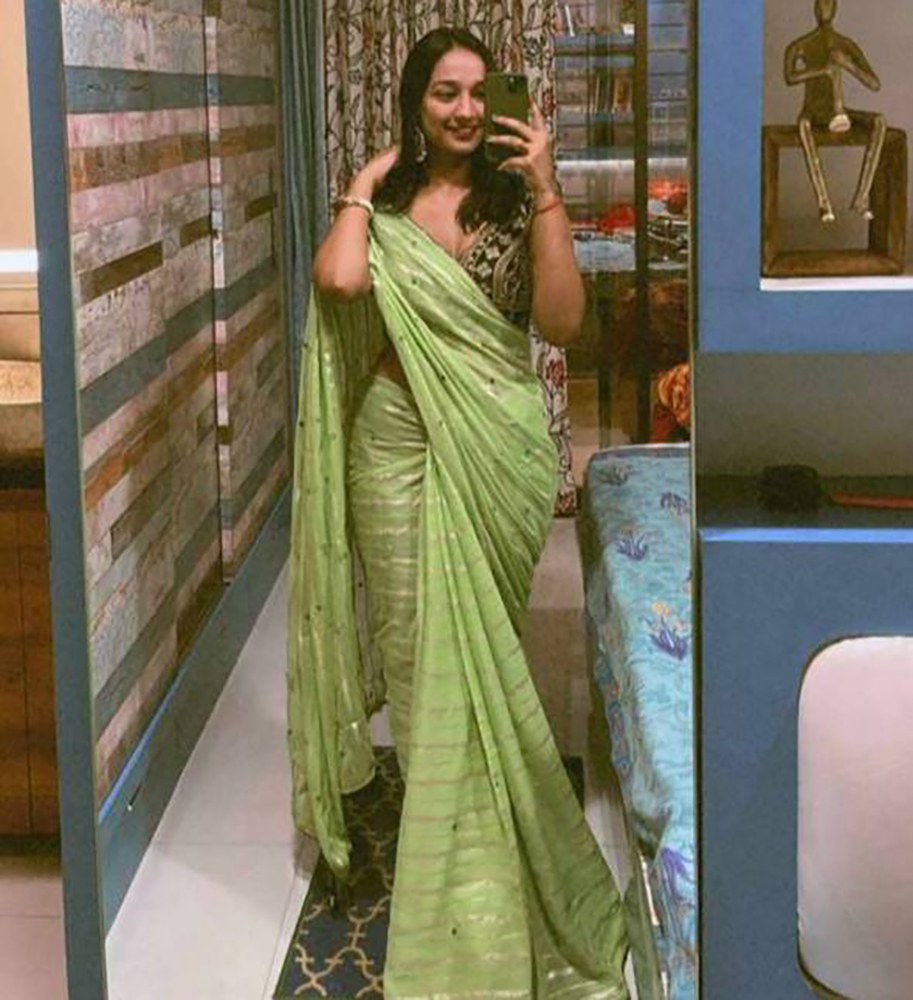
Thursday afternoon, I was in a meeting that ran long and I was bored and I did something I hadn’t planned to do.
I took a selfie.
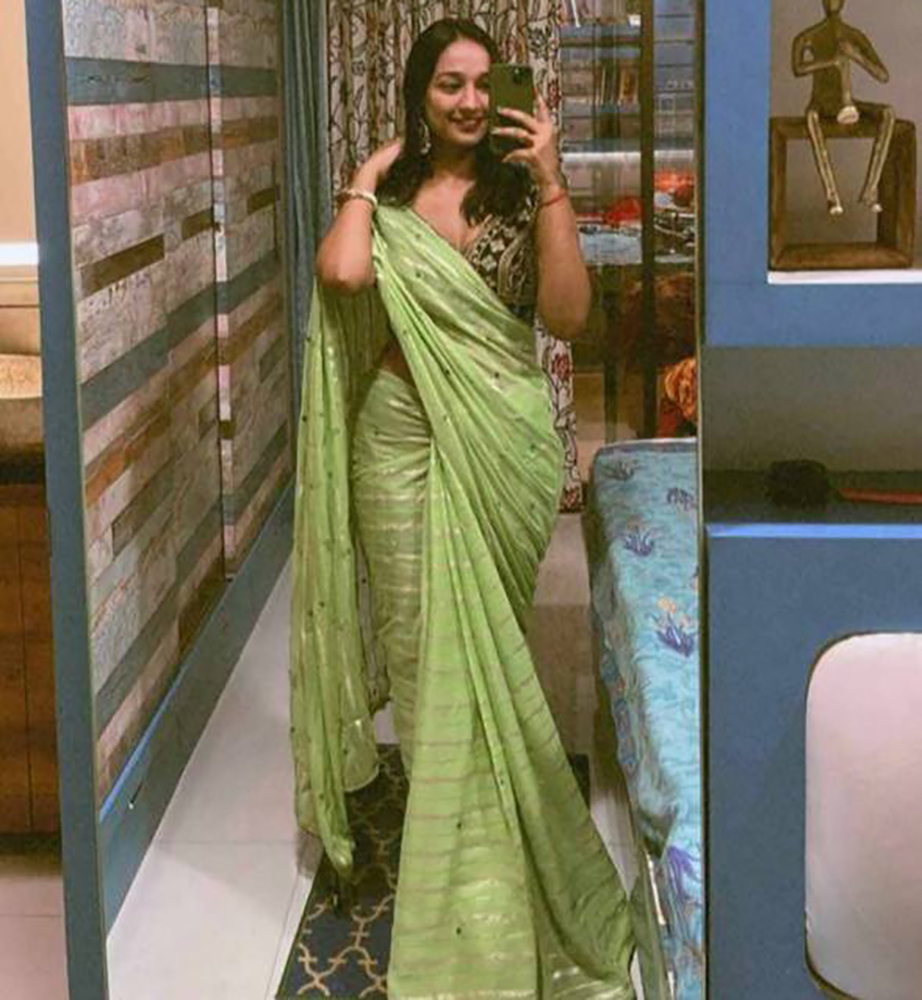
Mirror selfie in the bathroom, two minutes before I had to go back in. Green silk saree, the one I’d worn because there was a team lunch earlier. The pallu draped just so, the blouse fitted, the small sun tattoo visible at my waist. I looked good and I knew it.
I pulled up our WhatsApp thread — the one we’d been using for logistics, meeting schedules, address pins — and I sent it.
Then I stared at my phone for three seconds.
Then I typed: Sorry, meant to send that to someone else.

His reply came in forty seconds. Forty seconds, which I counted.
Lucky guy.
I smiled at my phone in the bathroom like an idiot. Then I typed: Yes. Mum’s very lucky.
Three dots. Then: Ha.
One word. But it was the right kind of ha — surprised, genuine, the laugh again.
I went back into my meeting.
Friday he passed me in the corridor outside the open-plan area and said, without stopping, without looking directly at me: “If you keep sending selfies I’m going to be sleep-deprived at work.”
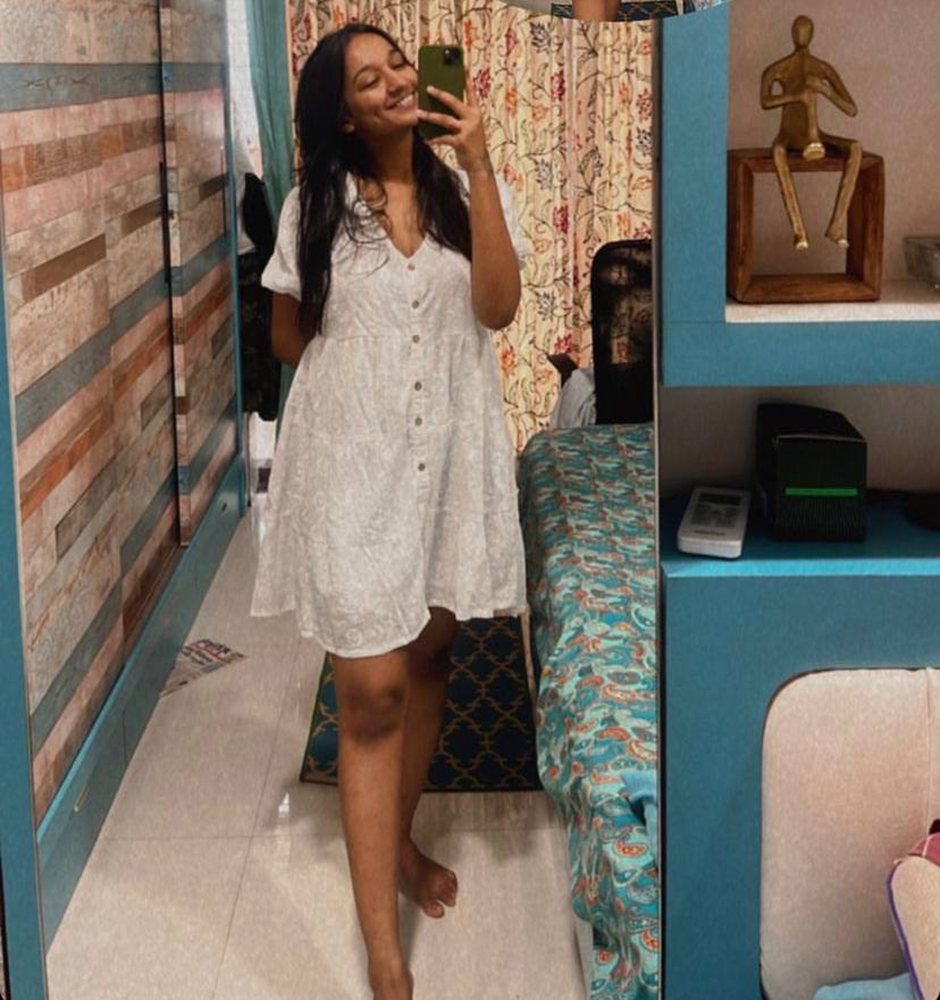
I stopped. “I can stop sending them.”
He stopped too. Turned. “That’s not what I said.”
We looked at each other.
“Sleep is overrated anyway,” he said, and kept walking.
I stood in the corridor for a moment after he’d gone.
Then I went back to my desk and opened WhatsApp.
The second selfie I sent on Friday evening was not an accident and we both knew it. Off-shoulder dress, the black one with the low neckline. Taken at home, good light, nothing left entirely to imagination. No message with it.
No reply.
Not that evening. Not that night.

The next morning — Saturday — I was on my yoga mat at six-thirty and my phone buzzed.
His text: If you keep sending selfies I will genuinely stop sleeping.
Me: You said sleep was overrated.
Him: I’ve reconsidered.
I was smiling at the ceiling of my flat.
That afternoon he was in a video call with London that ran till four. I know because I walked past the glass-walled meeting room twice on two different pretexts and he was in there both times, jacket off, sleeves rolled up, looking focused and entirely in his element for the first time since he’d arrived. I noticed the forearms. I noticed them specifically and with attention and I thought: all right, Aditi. All right.

Something shifted in him mid-week in a way I wasn’t expecting.
It was a small thing. He was on a call with one of the London seniors — I was at the printer and could hear him through the open meeting room door — and the London person made some comment about Mumbai, something offhand about the infrastructure situation, the kind of metropolitan condescension you hear from people who’ve never left a city where everything works on schedule.
Callum said, “Actually, the way the Mumbai team has managed the legacy migration given the constraints they’re working with is genuinely impressive. I’d push back on that characterisation.”
I stood at the printer and didn’t move for a moment.
He hadn’t said it for me. I wasn’t even supposed to be within earshot. He said it because he thought it.
Something in my chest did a small, involuntary thing.
I took my printout and went back to my desk.
Chowpatty on Friday. His suggestion — “you mentioned there were other beaches” — and I thought: yes, you did mention that, didn’t you.
Chowpatty at night is different from Juhu. Less chaotic, more contemplative. The bhelpuri stalls are there but the sea is quieter and the light is softer and the crowds thin out after nine. I wore the cream halter dress, the long one. I told myself this had nothing to do with Callum and was aware I was lying to myself.

We walked along the water’s edge. Not far in this time — I was in heels and he had the sense not to suggest it.
We talked about the city, about his team, about the hiring cycle we were running. Normal conversation. Comfortable conversation. The kind that happens between two people who have stopped being professional acquaintances and have become something else without formally deciding to.
At some point we stopped walking and stood looking at the water and the conversation ran out in a natural way, not awkward, just finished, and in the quiet he turned to look at me.
Not the way he’d looked in Week One — not that assessment look, not the careful appraisal. Something different. Something that had made a decision.
I looked back.

He kissed me. Slow, deliberate, his hand coming up to my jaw. I kissed him back.
The sea was doing what it always does behind us and neither of us was paying attention to it.
When we separated he looked at me and didn’t say anything and I looked at him and didn’t say anything either.
Then we walked back to the road and got separate cabs home, which was the sensible and professional thing to do, and I sat in my cab and let myself feel the warmth of it all the way home.
Late that night, in bed, I took my phone.
I’d been thinking about what to send since I got home. Thinking about it and not quite deciding. Then I decided.

The photo was simple. Just me, in my bed, in the dark, the sheet pulled up but not very far up at all. Nothing explicit. Everything suggested. I sent it and put my phone face-down and lay in the dark.
His reply came in less than two minutes.
Wish you were here to help me with what I’m doing.
I read it. Read it again. Then: You wish.
Him: More than you know.
I put the phone down.
I didn’t sleep for a while.
Saturday night he texted at eleven-fifteen. Just: You up?
Me: Yes, why?
Him: Can’t sleep. Video call?

I was lying in bed. I’d just gotten out of the shower. My hair was damp and I had nothing on.
I typed: Just out of the shower. Lying in bed. Not wearing anything.
A pause. Then: Perfect.
I called him.
He was in the dark too. Propped against his headboard, the hotel room behind him just a suggestion.

He looked at me on the screen and I looked at him and for a moment neither of us said anything.
“Hi,” he said.
“Hi,” I said.
The sheet was at my waist. I watched him look and I let him look. I watched his eyes move — my face, my throat, lower — and I felt the looking the way you feel a hand.
“You’re going to be the end of me,” he said, not quite seriously.
“You can handle it,” I said.
I moved the sheet lower. Watched his jaw tighten.
“Show me,” I said. “What you’ve been doing.”

He did. His hand moving on screen, his eyes on me, and I lay back against my pillow and let my own hand go where it wanted — between my thighs, slow at first, watching him watch me. There is something specific about being seen like this through a screen, the small rectangle of his face, the way his breathing changed. I could hear everything. Every shift, every sound.
“Don’t stop,” he said.
I had no intention of stopping. I touched myself with the same deliberateness I would have wanted from him — and the wanting of him was part of it, the fact that he was right there and not there at all, his voice low in my ear through the phone while my fingers worked and the heat built and my hips lifted off the mattress without my deciding to.
“Callum.”
“I’m here.”
“I know — “

I came with my hand pressed against myself and my eyes on his face on the screen, the sound of him following seconds later, and we lay in our separate beds in the same city with our separate heartbeats and said nothing for a while.
Then he said: “I want to see you tomorrow.”
“You see me every day,” I said.

“You know what I mean.”
I did know what he meant. “Monday,” I said. “We have time.”
A pause. “All right.”
I ended the call and lay in the dark and felt the city breathing outside my window.
Mumbai at midnight, indifferent and alive.
I was smiling.
WEEK THREE: First

Monday I gave him nothing. Professional, efficient, brisk. I had a reason for this.
Tuesday I gave him a smile across the open-plan area that he couldn’t do anything with.
Wednesday evening I told him I was taking him somewhere and to wear something he didn’t mind getting dirty.

He showed up at reception at seven in dark jeans and a plain white shirt, which was the right call.
“Where are we going?” he asked.
“You’ll see.”
Gateway of India at night is a particular kind of Mumbai theatre — the monument lit up against the harbour, the boats bobbing, the crowd that is always there regardless of the hour, the smell of the sea and the vendors and the city all together. We’d been walking around it for an hour. He’d been quiet in the good way, absorbing.
I was about to open Ola to book a cab home when I stopped.
“How brave do you feel?” I asked.
He looked at me. He’d learned to be wary of this question. “Why?”
“I want to take you on the local train.”

A pause. “The local — as in the commuter train?”
“Mumbai local. Yes.”
“At this hour?”
“It runs till midnight. It’s Wednesday. It’ll be crowded.” I said this straightforwardly. “I’m warning you in advance.”
He looked at the street, at the traffic, back at me. “All right.”
“You don’t have to.”
“I said all right.” He said it with something that wasn’t quite a smile. “Lead the way.”
We took a cab to Churchgate station, which took twelve minutes. I watched him look at the station as we arrived — the Victorian gothic of it, the scale, the perpetual organised chaos of a terminus that never really sleeps. His face had that look again, the one that meant he was recalibrating.
“This station was built in 1867,” I said.
“I can see that.”
“The line we’re taking goes up the Western coast. Bandra, Andheri, Borivali. Our stop is early — just a few stations. But you should feel it.”

The platform was busy even at this hour. Not the insanity of peak hour — not the human tide that pours in at eight in the morning when the trains pull in and the doors open and it is physically a matter of bodies negotiating space — but busy. The kind of busy where you stand close to strangers without thinking about it because there is no alternative.
The train came in with the sound that every Mumbai person knows from childhood — that specific clatter and rush and the warm displaced air — and the doors opened and we got on.
First class at off-peak is relative. It was full. We were pressed into the compartment with twenty other people and the train moved and the city slid past the open doors — the lit buildings, the dark water glimpsed between structures, the stations flickering by — and Callum was directly behind me because there was nowhere else for him to be.
I could feel the warmth of him. Not touching — not quite — but the air between us was nothing. The train swayed and he put a hand on the overhead bar above my head and I was inside the circle of his arm and neither of us commented on it.
“You do this every day?” he said. Close to my ear because there was no other way to have a conversation.

“Used to. Before I moved closer to the office.”
“And this doesn’t — “
The train lurched. His arm came around me briefly, steadying, and I put my hand on his chest without thinking. We stabilised. His arm stayed where it was for a second longer than strictly necessary.
I turned my head to look at him. We were close enough that it would have taken nothing.
“This is what Mumbai looks like from the inside,” I said. “Not from a cab. Not from a restaurant. This.”
He was looking at me rather than the city. “I’m beginning to understand that.”
We got off at Dadar. The platform noise swallowed us again and we pushed through to the street and the warm night air and stood on the pavement and I could still feel the ghost of the train’s movement in my legs.
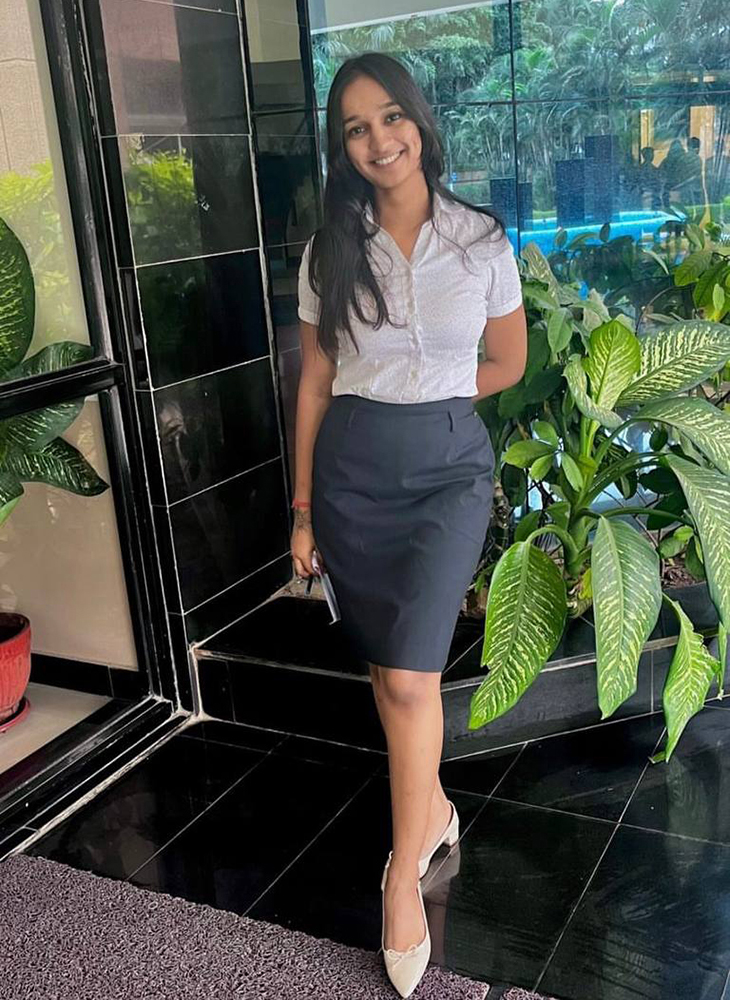
“Well?” I said.
“I get it now,” he said. He wasn’t talking about the train.
We got a cab back to his hotel. I wasn’t going in — I hadn’t decided to go in. We stood outside on the pavement while I opened the app for my own cab.
“You know what the highlight of tonight was?” he said.
“The Gateway?”
“The pani puri place. Earlier.”
We’d stopped at a stall before the Gateway — I’d wanted him to try it before the train, to have something in his stomach. I’d briefed him. Hold the whole thing in your mouth, do it in one, don’t question it.
He had not managed it in one. The shell had burst between his teeth and the spiced water had gone everywhere — down his chin, on his shirt, some of it on me — and his expression had been one of complete betrayal, as though the puri had done this personally.

I laughed now, remembering.
“You looked so funny,” I said. “I’m sorry. You really did.”
“It should come with a warning,” he said. “Structural integrity not guaranteed.”
“Yes,” I said, laughing. “That a girl may be tempted to lick it off your chin.”
I said it easily, laughing, and then it landed between us and neither of us was laughing anymore.
He looked at me. I looked at him.
He turned to the reception desk. The night manager was there, a young man in a pressed uniform.
“Excuse me,” Callum said. “Is it possible to have pani puri sent to my room?”
The night manager blinked. “Sir, we can arrange chaat from our kitchen, including pani puri. Of course.”
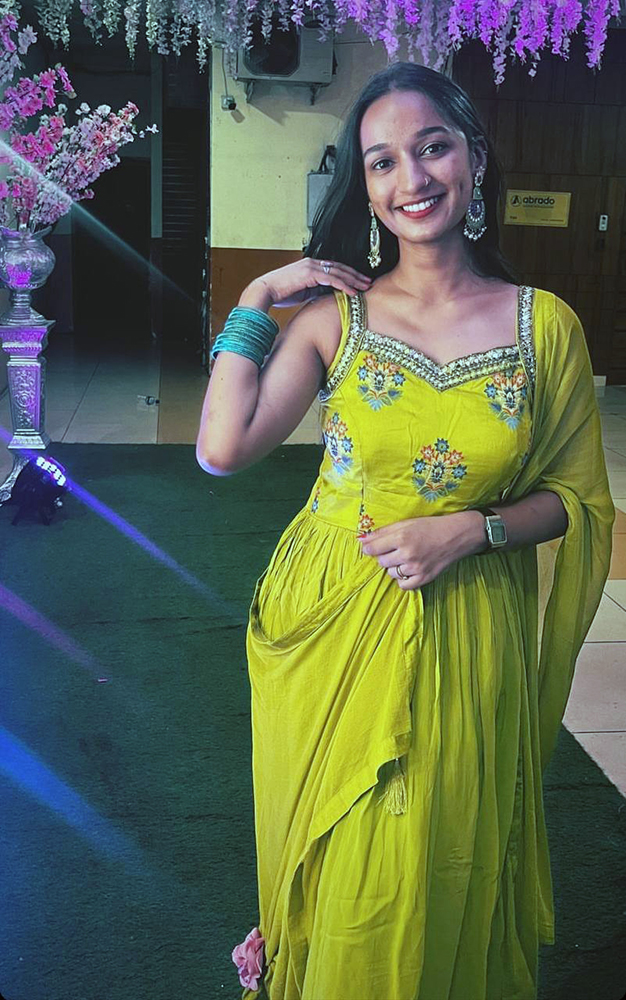
“Excellent.” Callum turned back to me. “Stay the night. Have all the pani puri fun you want to have.”
I looked at him for a moment.
Then I closed the cab app.
The room was large, the hotel good, the city visible through the window in a spread of lights. He’d barely closed the door.
“I’ve been thinking about that moment since it happened,” I said. “The puri bursting. The water on your chin.”
“And?” he said.
“And I’ve been very restrained.”
“Nobody’s stopping you now.”
I stepped to him and took his face in both hands and I did what I’d wanted to do on the street — I kissed the line of his jaw, the corner of his mouth, slow and deliberate, tasting the ghost of tamarind and the salt from the sea air and him.
He made a low sound and his hands came to my waist.
The room service knocked fifteen minutes later. Callum pulled on a shirt and answered the door and brought back the tray with the little puri shells and the spiced water in a steel cup and the chutneys arranged neatly in small bowls, and he set it on the bedside table with a completely straight face.
I was sitting on the bed watching him. “You actually ordered it.”
“I said I would.”
“You’re going to use it as a prop.”
“It was your idea.”
He filled a puri shell carefully with the jeera-tamarind water and held it out. I opened my mouth and let him place it on my tongue and the shell burst — the shock of it, cold and tart and spiced, exactly as it always is — and I felt the water on my lips, my chin.
He watched it happen. His thumb came to the corner of my mouth.
“Now you know how it feels,” he said.
“I’ve always known how it feels,” I said. “I was watching you.”

He kissed the tamarind off my chin. Then my jaw. Then my throat. His hands found the zip at the back of my dress and he was unhurried about it, deliberate, which undid me more than urgency would have.
The dress went. His shirt. The rest of it.
Three weeks of noticing had produced very specific ideas about what I wanted and I told him — not with words, with my hands, my mouth, the direction I pulled him — and he paid attention the way he paid attention to everything, thoroughly and without rushing.

His mouth on my breasts, my stomach, lower, and I had my fingers in his hair and my hips rising toward him.
I said his name and he said nothing back, just kept going, until I was pulling him up by the shoulders because I needed him closer.
“In me, now,” I said, guiding his cock to my pussy and spreading my legs wide.
He rubbed his cock against my wetness for a few moments, lubricating it.

Then, he pushed inside me slowly. The full length of him, watching my face while he did it.
“All right?” he said.
“More than,” I said.
Three weeks of accumulation doesn’t produce patience and we didn’t pretend otherwise — fast and hard and his hands gripping my hips and my back arching off the bed toward him, both of us making sounds that had nothing polished about them.

He had very precise hands; I’d noticed them from the beginning and I’d been right about what that meant.
He knew what he was doing and he did it and I let myself be loud about what it produced and he looked pleased with himself in a way I found entirely warranted.
I felt the pleasure build. He kept thrusting harder and faster into me and each thrust drove me closer and closer to the cliff.
And then I went over. I came the first time with his hand between us and his mouth on my throat and the city spread out through the window behind him.

He followed shortly after, his weight on me, my name in his mouth.
We lay tangled and breathing.
“You’ve been thinking about that since the pani puri,” he said. Not a question.
“Since the beach,” I said. “The pani puri just confirmed it.”
He laughed. I felt it against my ribs.
The city hummed outside the window. The pani puri sat untouched on the bedside table for the rest of the night.
We used it eventually. Not the way he’d intended — as a joke prop, a callback to the moment that had gotten us here.
At some point, lying tangled and talking quietly and coming back to ourselves, I picked up a puri shell and he raised an eyebrow and I held it out and said “open up” and he did and it burst again and we were both laughing and he kissed the water off my fingers one at a time and then things started again.
I didn’t go home that night.
He kept fucking me and emptying his balls into my pussy and I took all that he had to give, over and over
I went home at six in the morning, my pussy full of his cum, in the blue light before the city properly woke up, and got in the cab and sat back and thought: well.
Well.
WEEK FOUR: Last

Monday morning I woke up in his hotel room.

More specifically: Monday morning I woke up with his mouth on my shoulder and his body already moving against mine in the slow, certain way of someone who had been awake before me and had decided how the morning was going to go.
I made a sound that was not a protest and turned into him and we finished what the weekend had started — or continued, really, because the weekend had not so much started as simply not stopped.
Afterwards, when we were lying quiet and he reached for me again, I put my hand flat on his chest.
“Office,” I said.
He made a sound of profound dissatisfaction.
“Callum.”
“I know.” He didn’t move. “Five more minutes.”
“We both have eight-thirty meetings.”
A long pause. Then he removed his hand and stared at the ceiling. “I want to register a formal complaint.”
“Noted,” I said, and got up.
The office was the office.
I was HR, he was IT Infrastructure, we had no reporting line between us and no reason to be in the same meetings.

We passed each other in the corridor at eleven and he looked at me with that specific look that I was now familiar with — calm on the surface, a question underneath — and I looked back and kept walking.
At twelve-thirty he appeared at the door of my office. “Lunch?”
“I have a sandwich.”
“Aditi.”
I looked up from my screen. He was leaning in the doorway, perfectly professional, and if you didn’t know you wouldn’t know. But there was something in the set of his face that was entirely different from Week One Callum. Week One Callum had looked at everything here with that careful assessment. This Callum looked comfortable. At ease. Like someone who had stopped evaluating and started inhabiting.
I ate the sandwich at my desk. He went to the canteen. We were professional.
At four-fifteen he came into the glass-walled meeting room where I was prepping the Week Four recruitment debrief and closed the door and kissed me against the wall and I let him for thirty seconds before I said “glass walls, Callum” and he stepped back.
“Blind spot,” he said, nodding at the angle. “The pillar blocks the sightline from the open plan.”
I looked. He was right.
“You scoped it?” I said.
“I’m in infrastructure,” he said. “I assess environments.”
I laughed. He smiled — the real one, not the polished professional version — and went back to his desk.
Mid-week he asked, in the cab home — we were sharing cabs now, publicly, though it was a practical distance thing and anyone could see that — he asked, “Is there somewhere you’d want to go back to? Somewhere I’ve already seen but should see differently?”
I looked at him. “Marine Drive,” I said. “You should see it again.”
“When?”
“Tomorrow evening.”
“All right.”
We went on Thursday evening. Same walk, same railing, same Arabian Sea. But different — obviously, irrevocably different, the way a place is different once you’ve shared something with someone. He stood at the railing and looked at the water and I stood beside him and the city did what it always does and I watched him receive it.
“The first time I stood here,” he said, “I was looking at it like a problem to solve. Like something I needed to have an opinion about.”
“And now?”
“Now I’m just looking at it.”
A couple was kissing a few metres down the wall. I noticed him notice them — this time with recognition rather than surprise. No discomfort. Just: yes, this is what people do here.
I looked at him and then I reached up and kissed him. Not long — the seafront is public and I am still a person who works in this city — but real. His hand came to my waist.
When I pulled back he was looking at the water again. Soaking it in. Not performing appreciation, not cataloguing it for a report. Just here, in it, the way you are when a city has gotten under your skin.
I felt something that was more than the other things I’d been feeling.
I didn’t examine it closely. Some feelings are better left as texture.
Friday evening, pani puri.

My regular stall, the one near Shivaji Park that I’ve been going to since college. The bhaiya knows my order — medium spice, extra pudina water, the hing heavier than standard. He knows me the way good food vendors know their regulars, which is to say completely and without ceremony.
I didn’t brief Callum this time. I ordered for him, nodded at him to go ahead.
He held the puri. He looked at it. He opened his mouth and placed it on his tongue and closed his mouth.
No burst. No water everywhere. No expression of betrayal.
He chewed. Swallowed. Looked at me.
I looked at him.
We both knew what this was. The first time had been chaos and surprise and the city running riot in his mouth. This was easy. Natural. The puri sitting right because he’d learned how.
Neither of us said anything.
The bhaiya handed us the second round. We ate in silence that was full rather than empty, the city doing its Friday evening thing around us, and I thought: he’s going to leave in three days and I am going to miss this in a way I wasn’t expecting to.
I ate my puri and didn’t say it.
Saturday evening we were on my balcony with drinks and the distant sound of the city and he said, not leading anywhere, just talking: “What happens when I leave?”
“You go back to London,” I said. “I stay in Mumbai.”
“And that’s — “
“What it is.” I looked at him. “What were you expecting?”
He was quiet for a moment. Then: “What if you wanted to — I don’t know. Change jobs. Look at something else.”
“Are you offering me a job?”
“I’m saying — you wouldn’t have to be at our company for us to — “
“Callum.”

“What?”
I looked at him across my balcony. My city behind him, the particular orange-pink of Mumbai at dusk.
“What if I get married?” I said.
He was quiet for a moment. Then, completely seriously: “I’d still come back to Mumbai. There’s more to this city than — ” he paused, and the pause had a small smile in it — “beautiful women. I’d come back for it regardless.” He looked at the city. “I’d want to come back.”
I heard both things he meant. I chose to receive the one about the city.
“Good,” I said. “Come back.”
He raised his glass. I raised mine. The city accepted this small toast without comment.

Sunday night was the last night.
We didn’t make it ceremonial. We’d both been in enough situations to know that making the last time a performance of the last time is the quickest way to ruin it. We cooked dinner in his hotel room with ingredients from the market down the road — dal, rice, I made him do the tempering himself, standing over the kadhai, and he didn’t burn it — and we ate at the desk with the city below us and talked about normal things.
Then we went to bed, and the normal things stopped.
Three weeks of knowing each other had produced a specific kind of fluency — I knew the sounds he made when I touched him a particular way, knew what he’d do next if I did a certain thing, knew the exact register of his voice when he was holding back versus when he’d stopped bothering. He knew the same about me. What that produces is not routine. It produces attention without uncertainty, which is its own kind of intensity.

He undressed me slowly. Not teasing — just deliberate, like he wanted to look at each thing before moving to the next.
I let him.
I kept the light on because I wanted to see his face and he wanted to see mine and there was nothing left between us that required darkness.
He took his time with his mouth, starting at my collarbone and working south, and I lay with my hands in his hair and the city below us and my breath going shallow.

By the time he settled between my thighs I was already half-gone, my hips rolling toward him, and he held me steady with his hands on my waist and took his time there too, slow and thorough, reading every sound I made and adjusting, until I came the first time with my thighs locked around his shoulders and his name bitten off in my throat.
He moved up my body. I pulled him in and he pushed inside me in one long, slow stroke that made both of us go still for a moment.
“Last night,” I said.
“Don’t,” he said, pushing his cock into my pussy.
“I wasn’t saying it badly.”

He looked at me. Then he moved and the conversation ended.
We went slowly because we had time and because neither of us wanted to be anywhere else. Deep and steady, his forehead against mine, my legs wrapped around him.
I came again halfway through, unable to help it, and he felt it and kept going, drawing it out, his mouth at my ear saying things that had no place in an office environment and every place in a hotel room in Mumbai at midnight.

The third time he pulled me on top of him and I moved the way I wanted to move, setting my own pace, his hands on my hips and then my breasts and then gripping the backs of my thighs as I bore down harder.
His head went back against the pillow and I watched his face and felt him lose control under me, which was exactly what I’d wanted.
We came together at the end, close and tangled and breathing each other’s air.

At some point the city went quiet in the way it never entirely does but comes close to, around three in the morning, and we were lying tangled and his hand was moving slowly in my hair and I was watching the ceiling and neither of us was speaking.
“Aditi,” he said.
“Don’t say it,” I said.
A pause. “I wasn’t going to say anything significant.”

“Good.”
His hand kept moving. “I was going to say I’m glad I came to Mumbai.”
“That’s significant.”
“Is it.”
“To Mumbai,” I said. “Mumbai is glad too.”
He laughed softly. His arm pulled me closer.
We slept eventually. Not for long.
Monday morning.
I woke to his mouth on my throat and his hand already between my thighs, moving with the unhurried confidence of someone who knew exactly what he was doing and had decided the morning warranted it. I was still half asleep and already wanting him, my hips pushing into his hand before I’d fully surfaced.
“Good morning,” he said against my skin.
I didn’t answer.

I reached for him and found him hard and pulled him where I wanted him and he pushed inside me with a low sound that I felt in my chest.
Morning sex after a night like that is its own thing. Slower, softer, more honest than anything that happens in full daylight.
We moved together in the grey light with the city starting outside the window — the azaan, the first horns, the distant clatter of the local — and none of it reached us.
His weight against my back, my body opening to him, his arm around my waist pulling me tighter, and I closed my eyes and let it happen and made no effort to be quiet about any of it.

He came with his face in my hair and my name in his mouth. I followed seconds later, his hand finding me at exactly the right moment, and we lay shaking and tangled in the wrecked sheets while the city outside went about its Monday morning without us.
Afterwards we lay quiet. He was the one who finally looked at his phone.
“I need to — “
“I know,” I said. “Shower. I’ll call a cab.”
I drove him to the airport.
Practical — I had the car, his hotel was on the way, it made sense. That’s what I told myself. We talked in the car about normal things, the flight time, the London weather he was going back to, whether the samosas I’d wrapped for him in foil would make it through security.
At departures we stopped at the kerb. He got his bag from the boot. We stood in the noise of Terminal 2 — the cabs, the trolleys, the families, the absolute Mumbai energy of a hundred simultaneous arrivals and departures — and we looked at each other.
He kissed me once. Properly.
“Thank you,” he said. “For all of it.”
“Mumbai’s the one to thank,” I said.
He smiled. “I’ll be back.”
“I know.”
He went in. I got back in the car.

I sat in the short-term parking for ten minutes watching the departures board through the windscreen. His flight number blinking steadily. Then: BOARDING.
I started the car.
One firang converted to an India lover.
Bring on the next one.
THE END
I always look forward to your feedback.
Please comment on the story to let me know what you liked about it.