Security Breach0 (0)
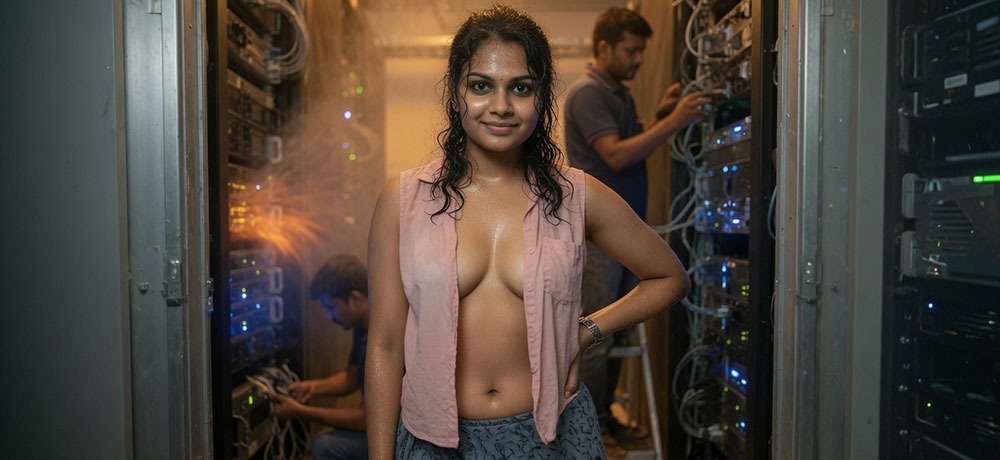
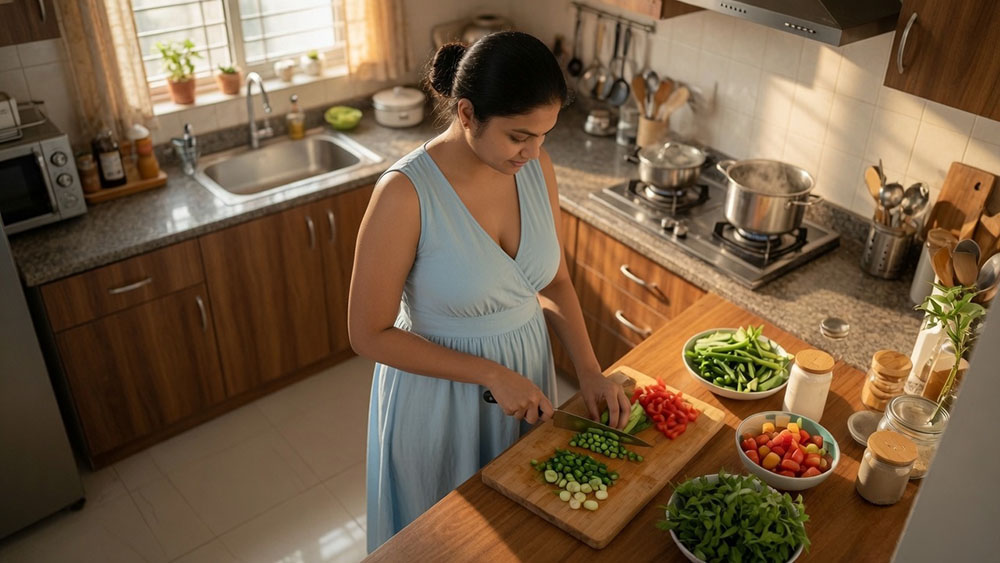
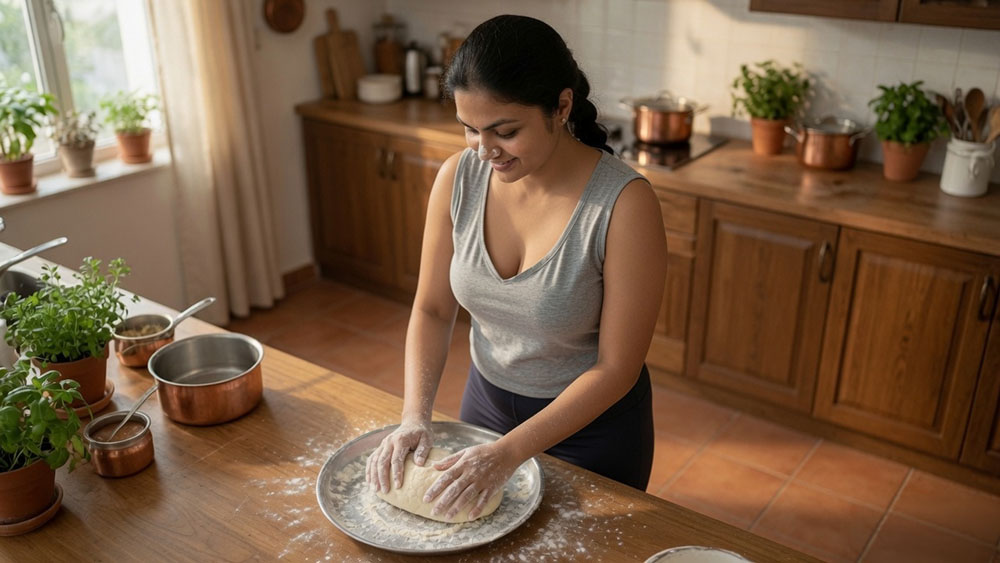
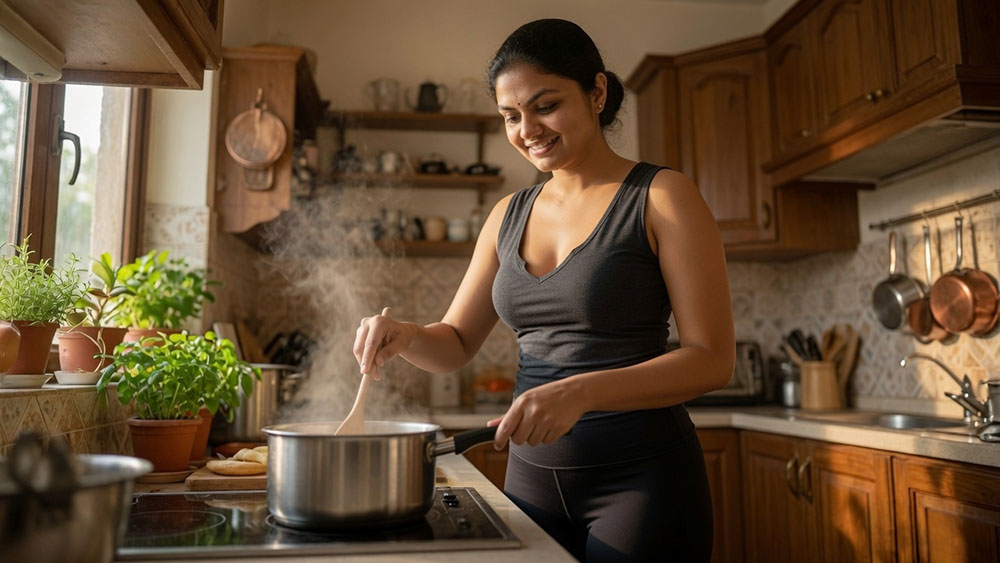
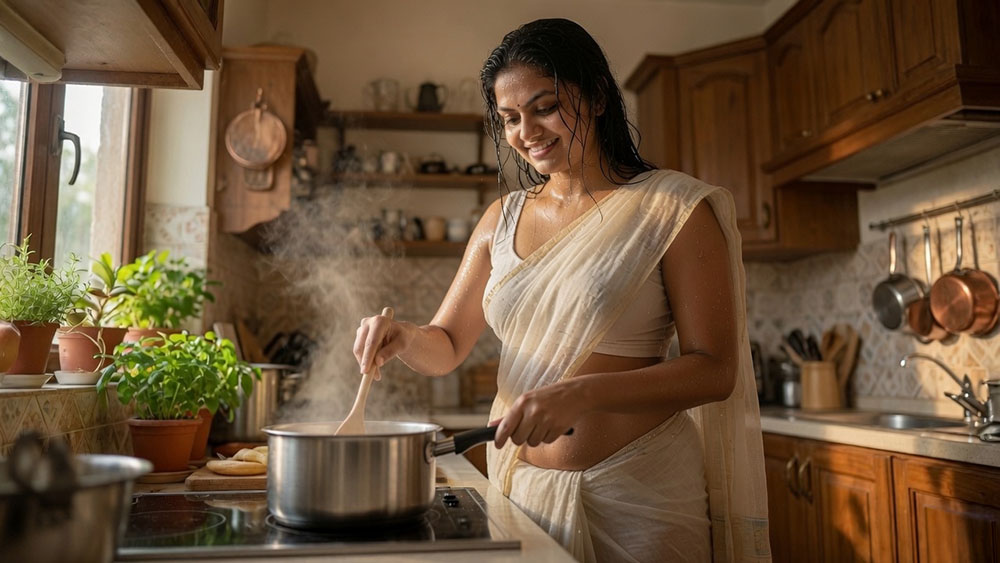
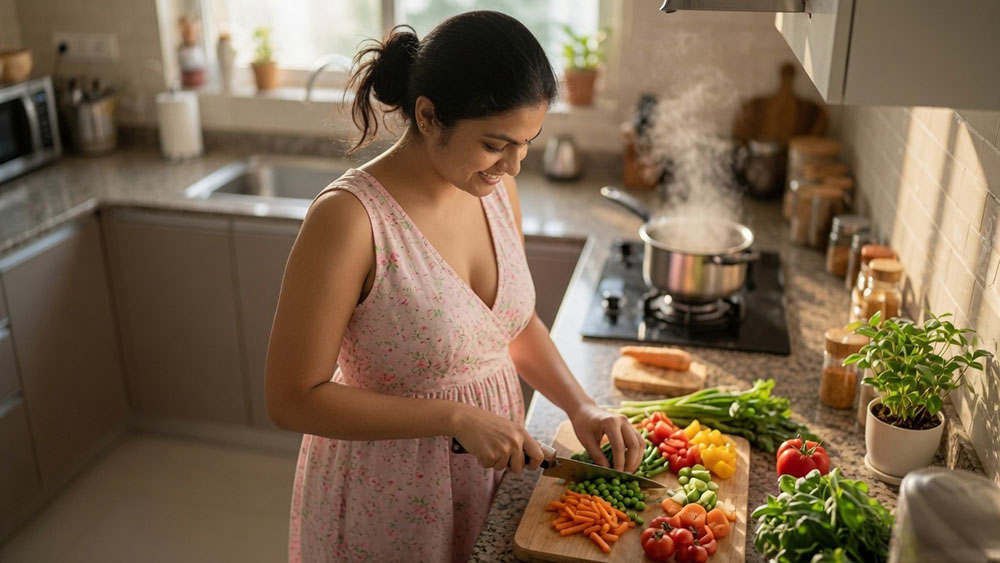
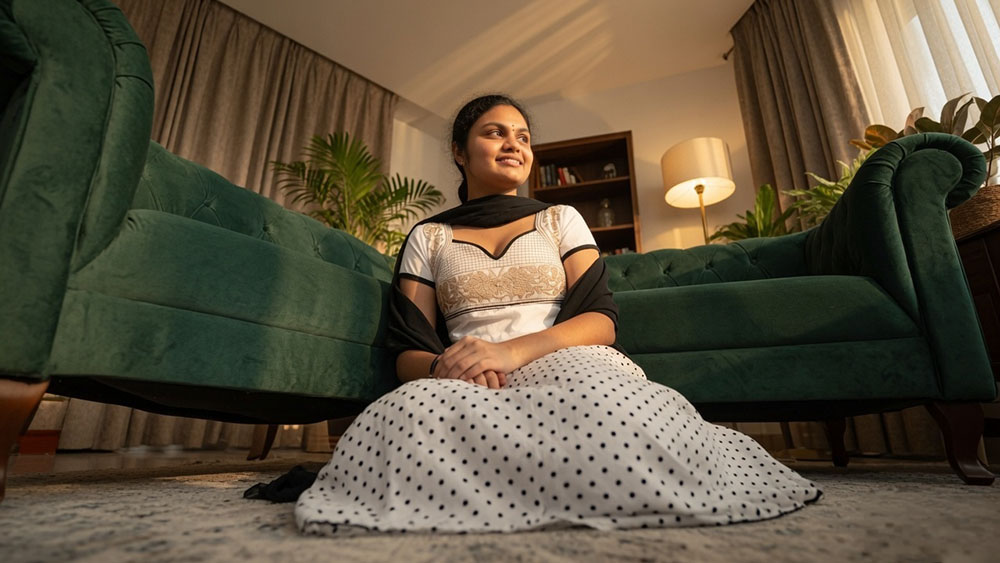
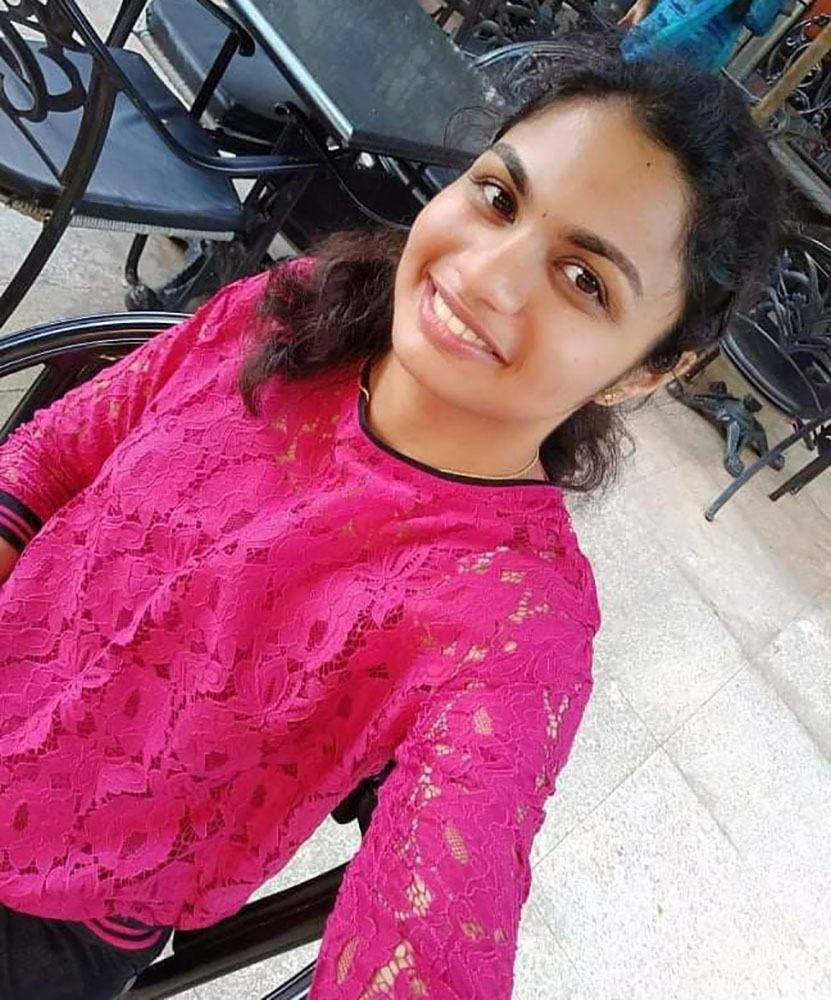
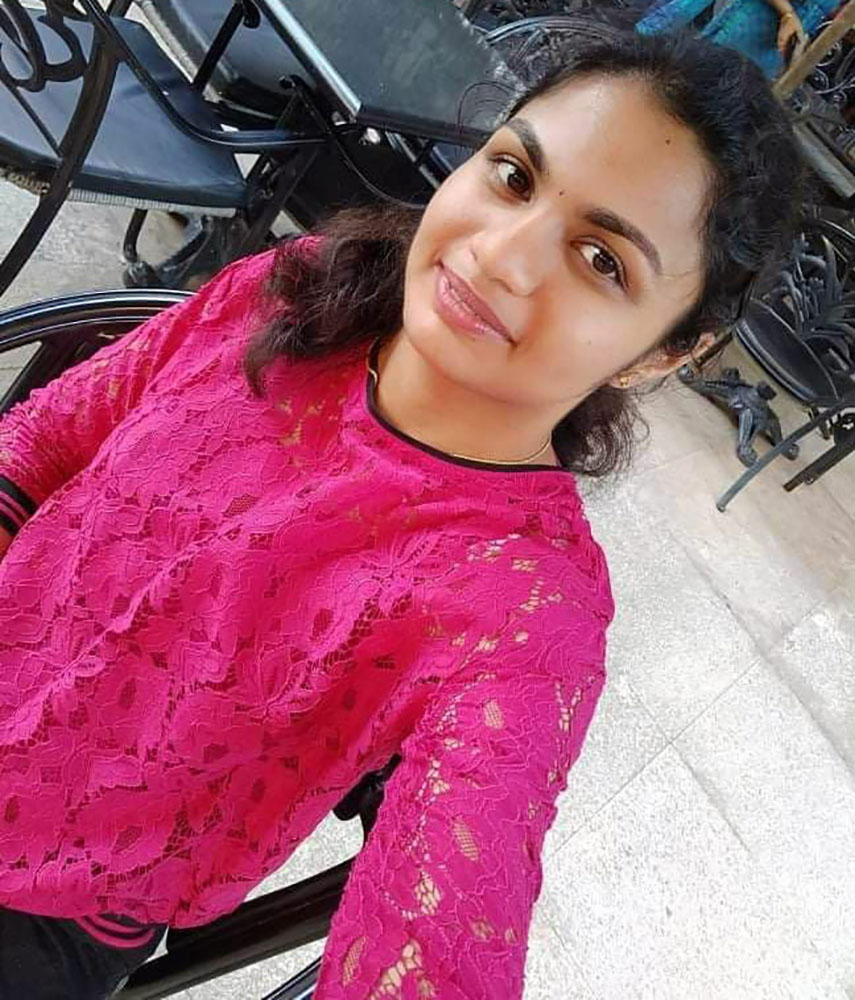
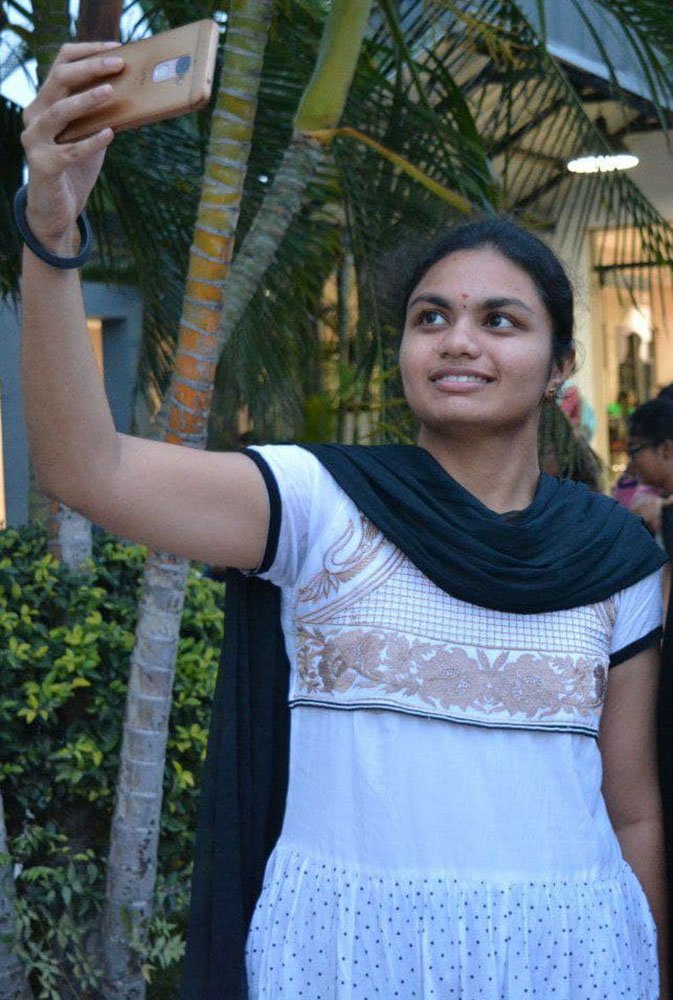
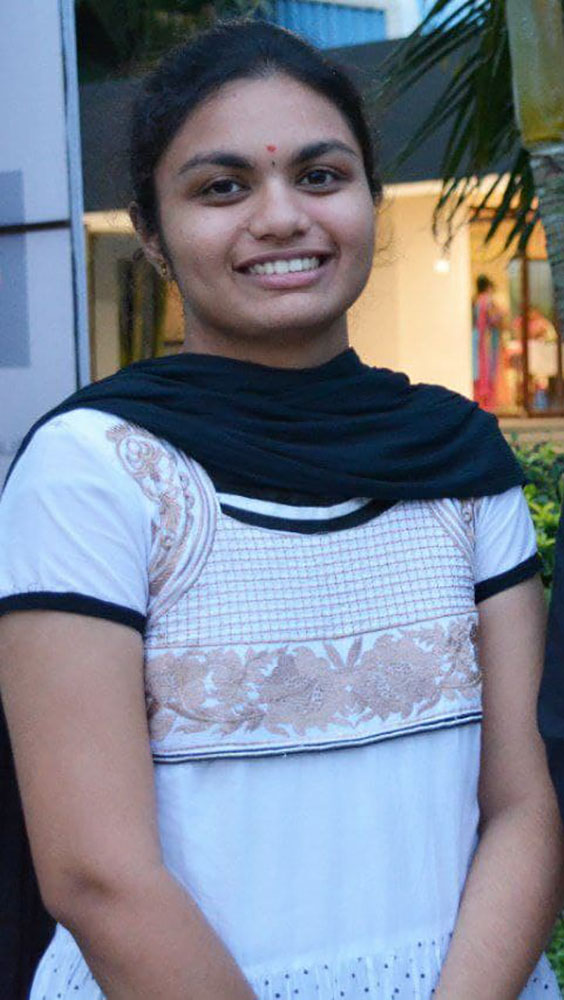
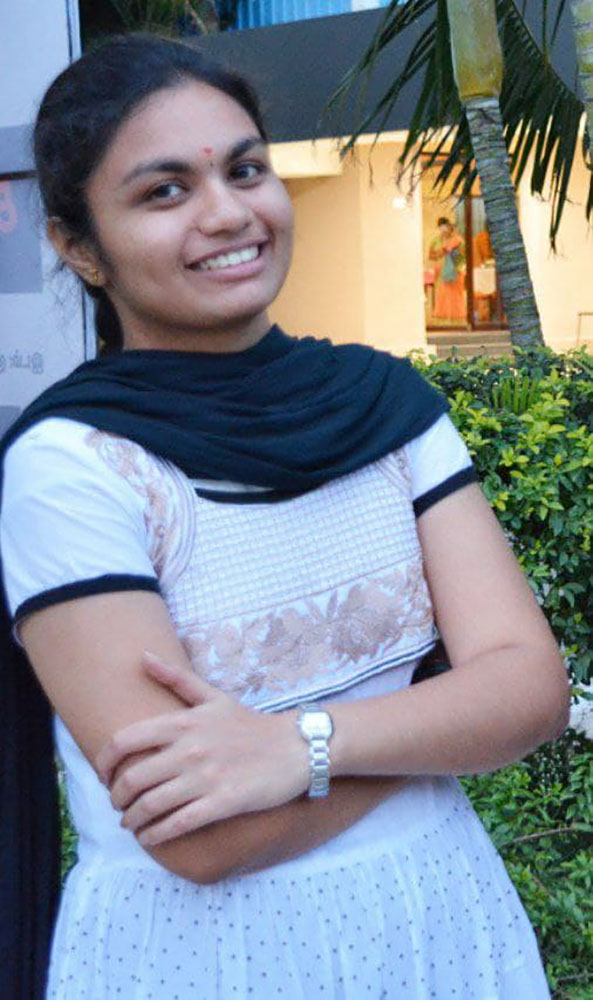
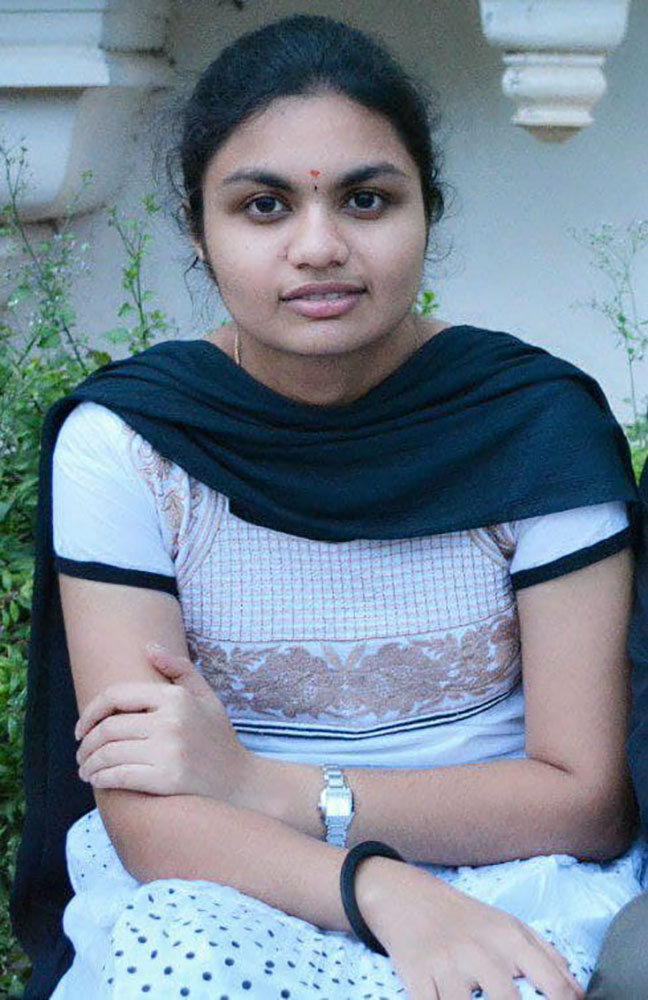
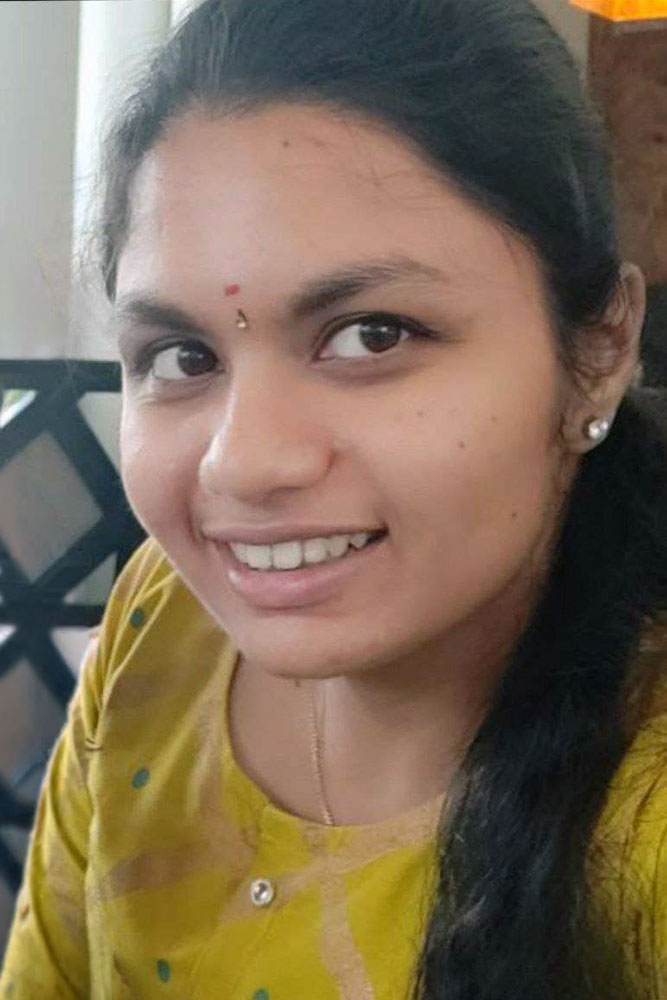
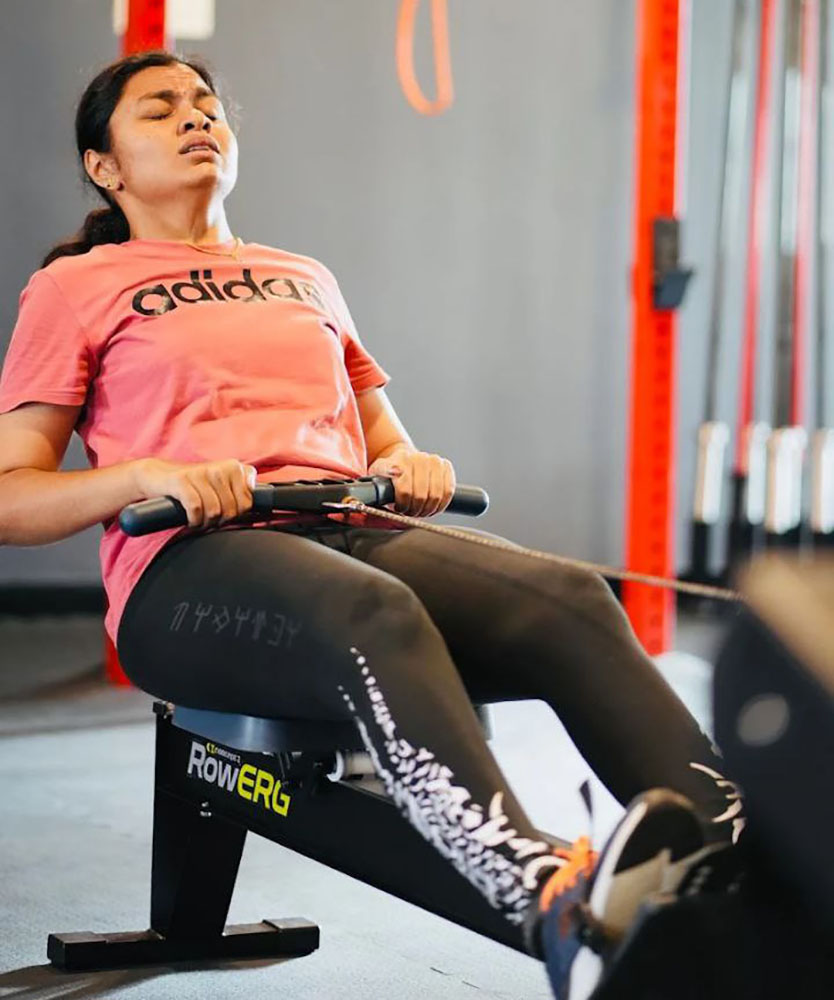
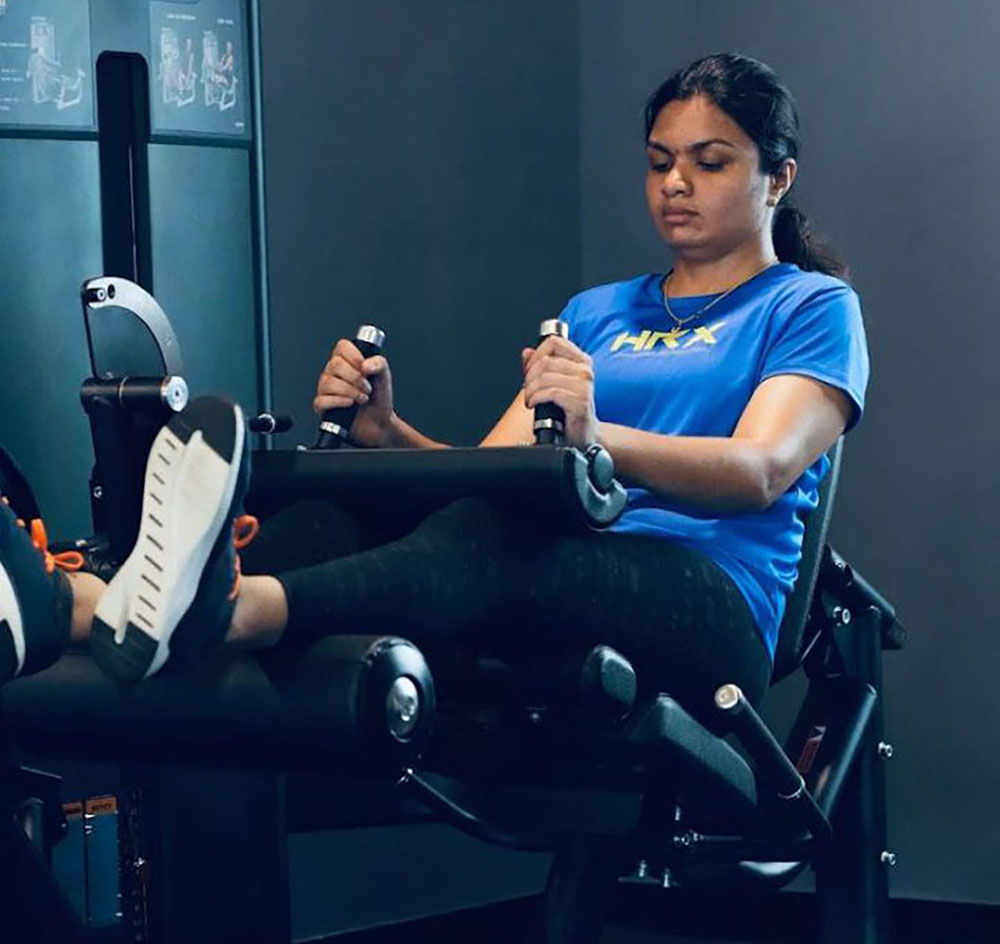
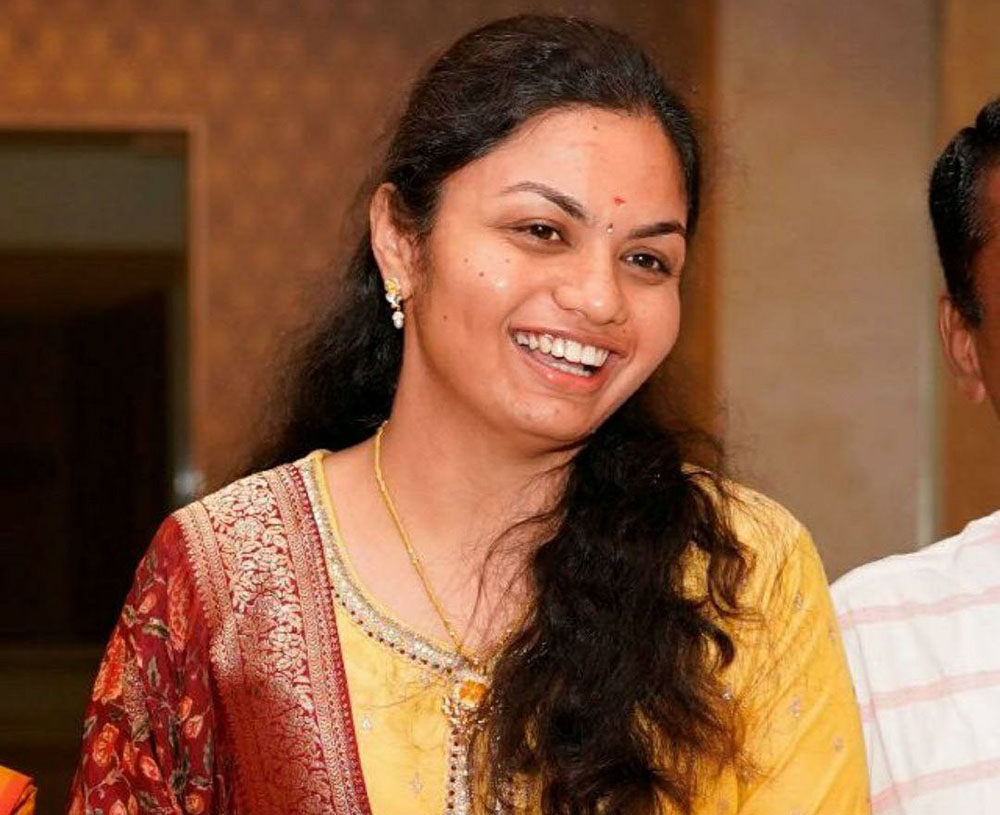
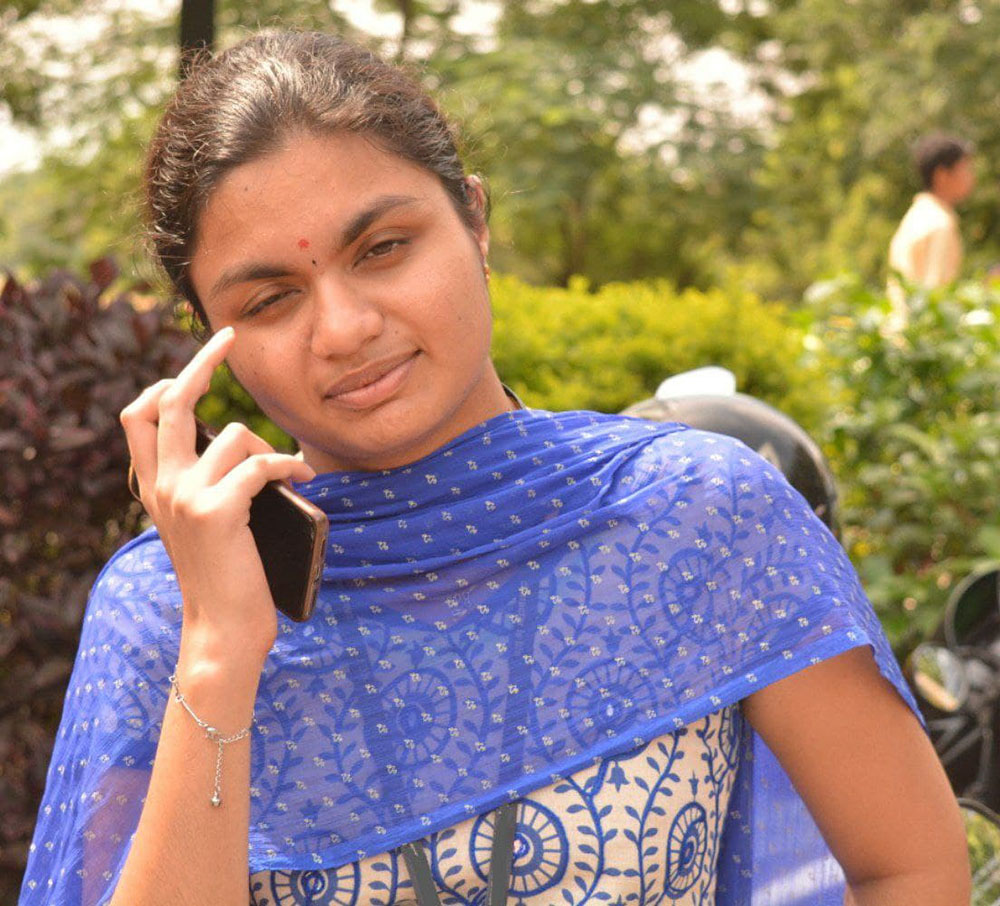
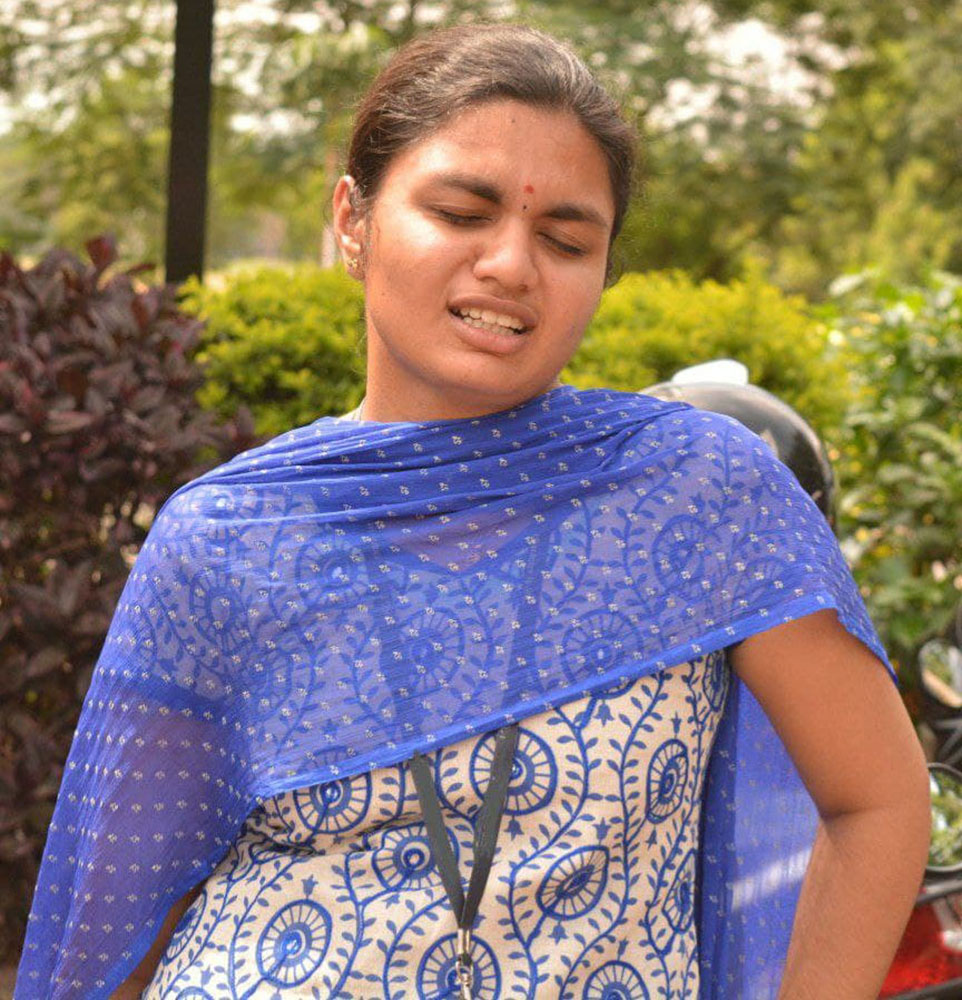
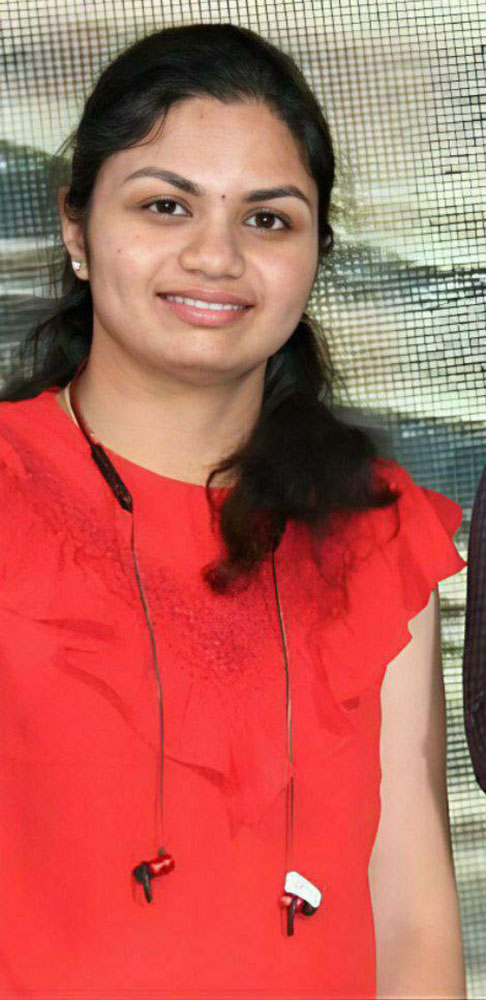
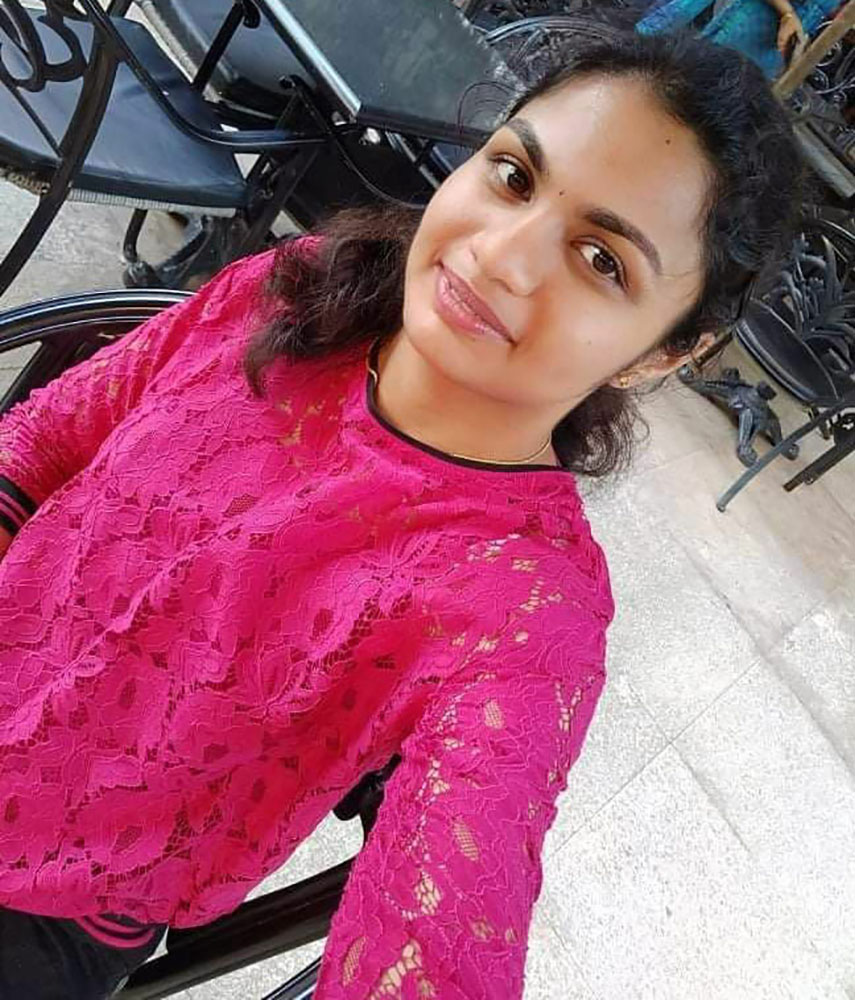
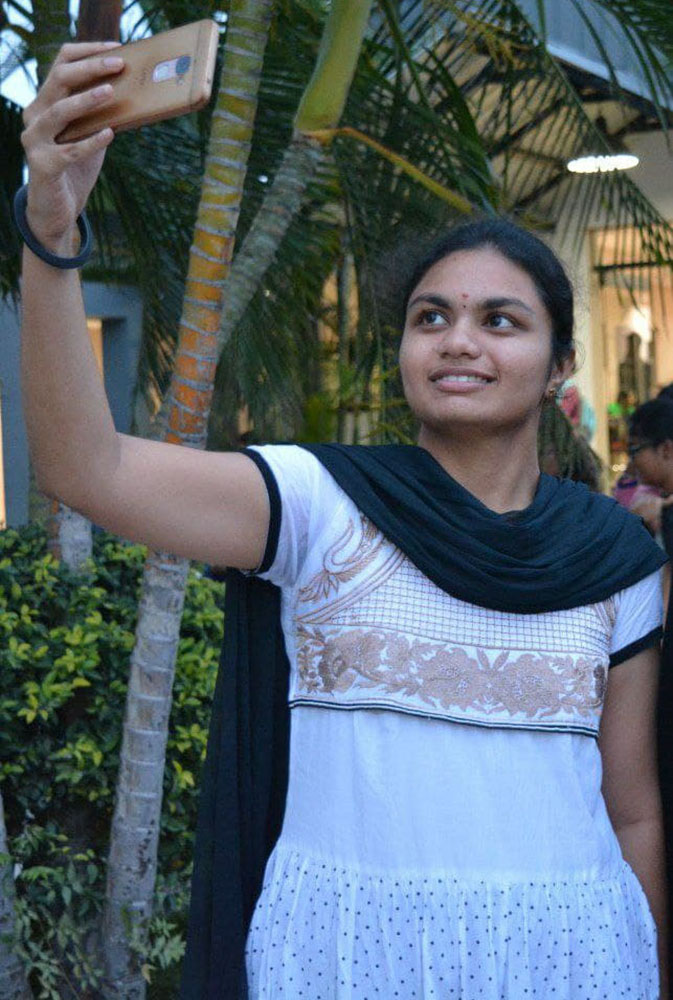
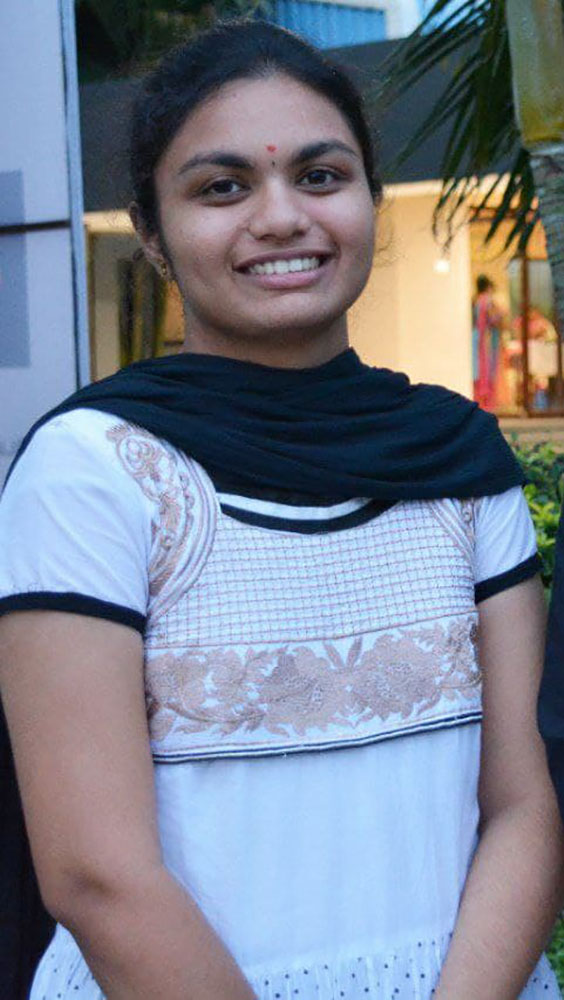
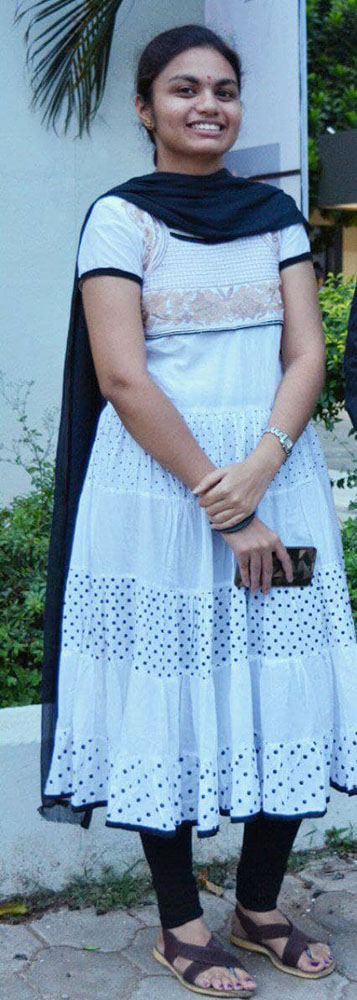
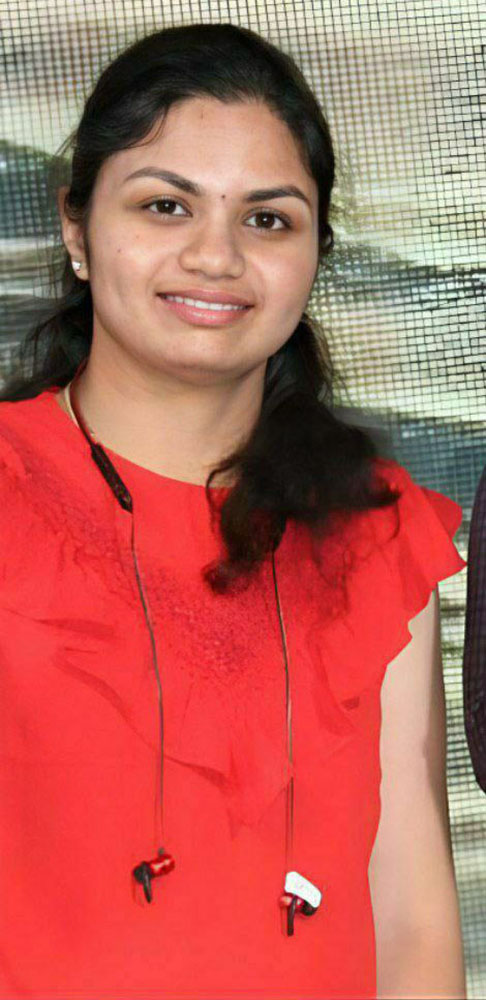
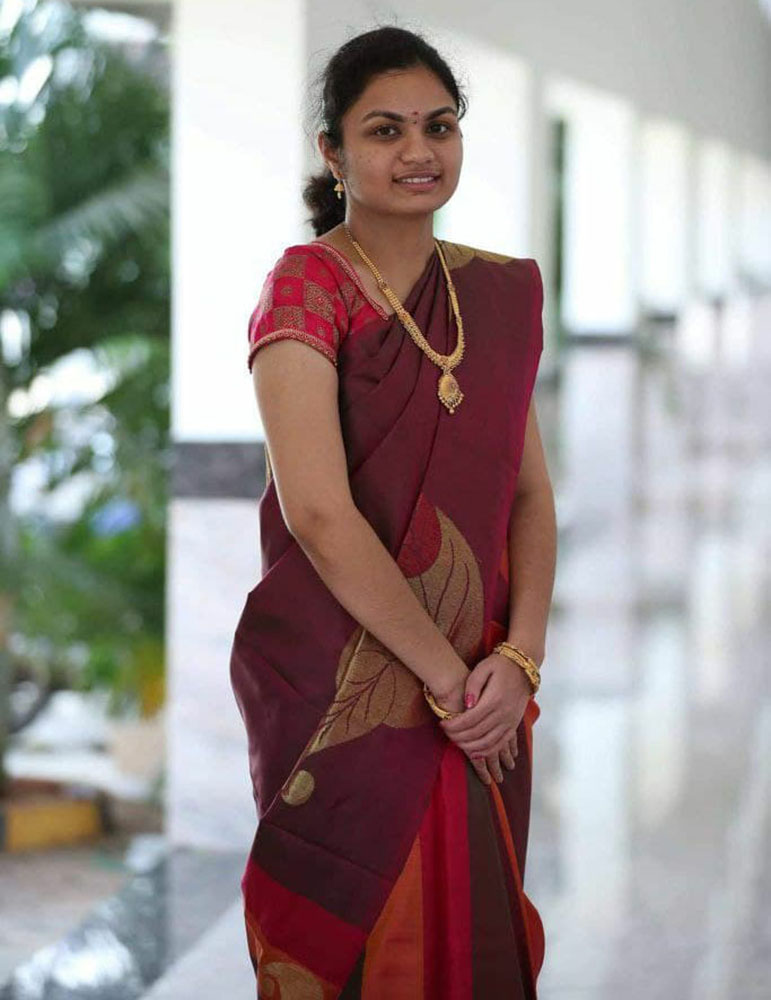
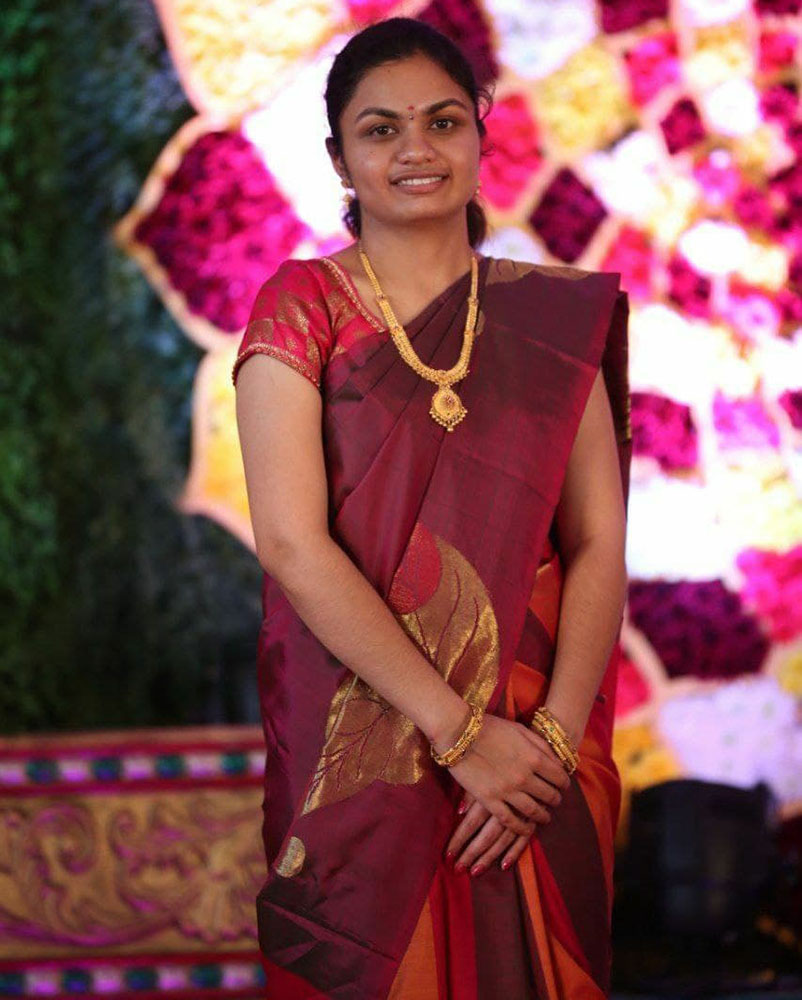
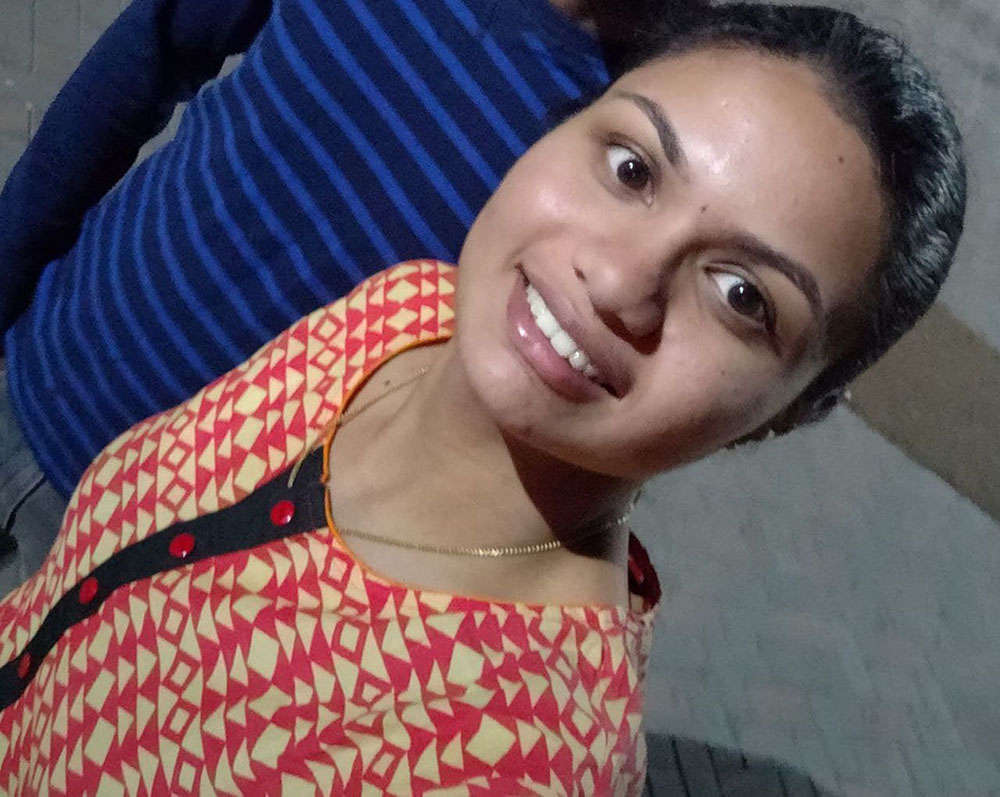
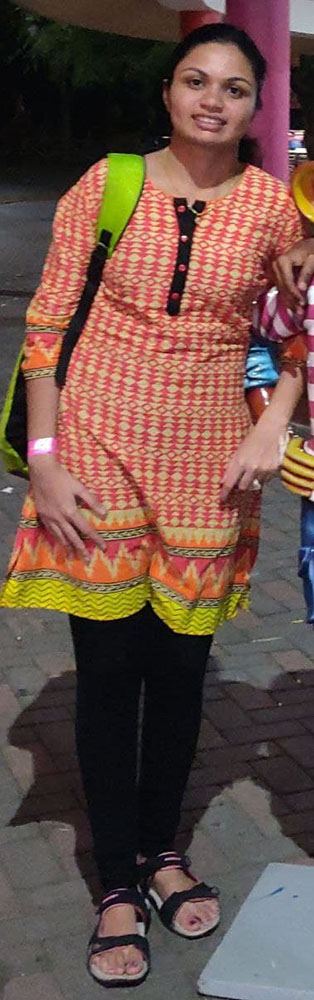
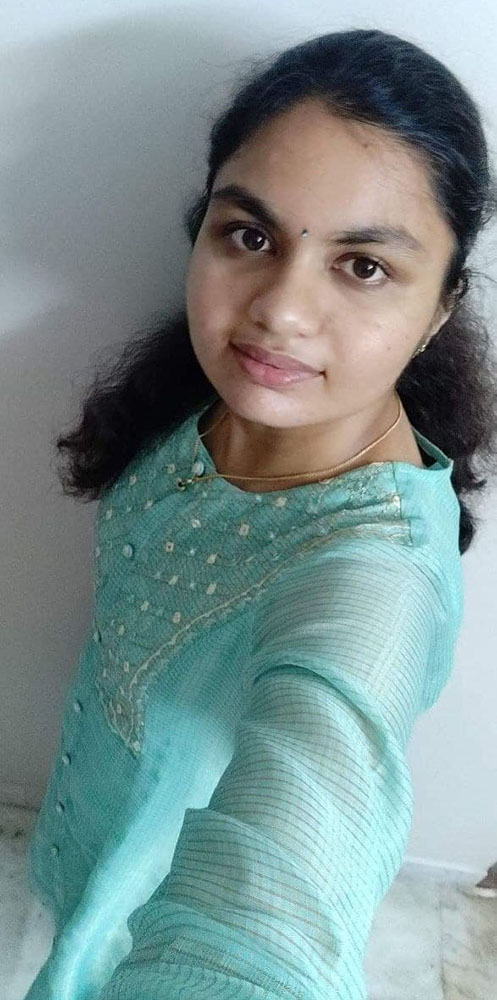
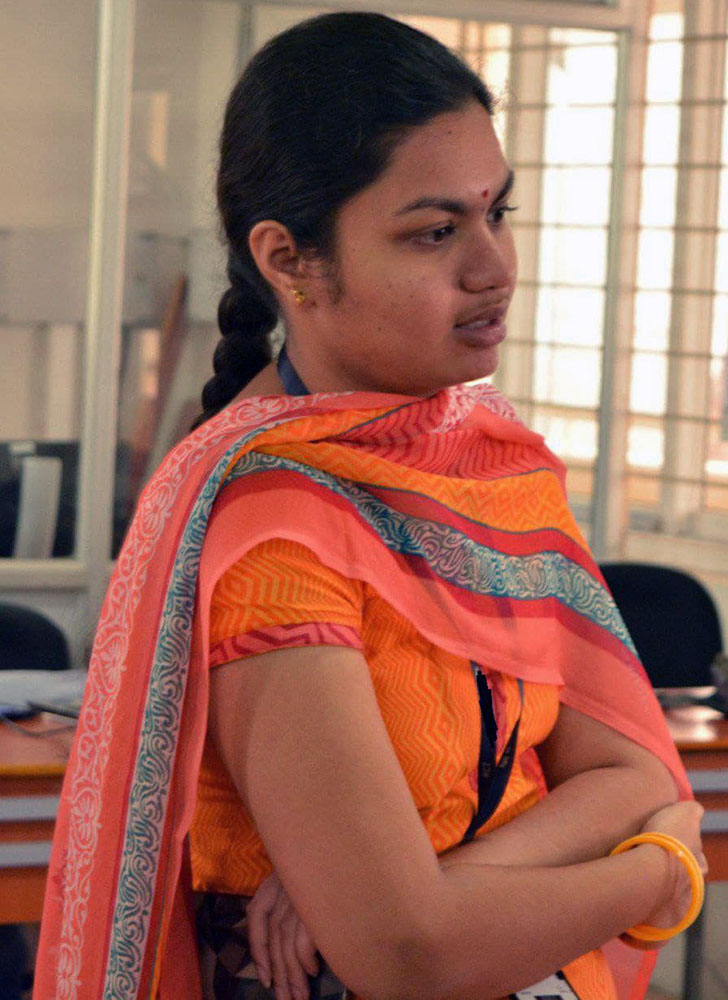
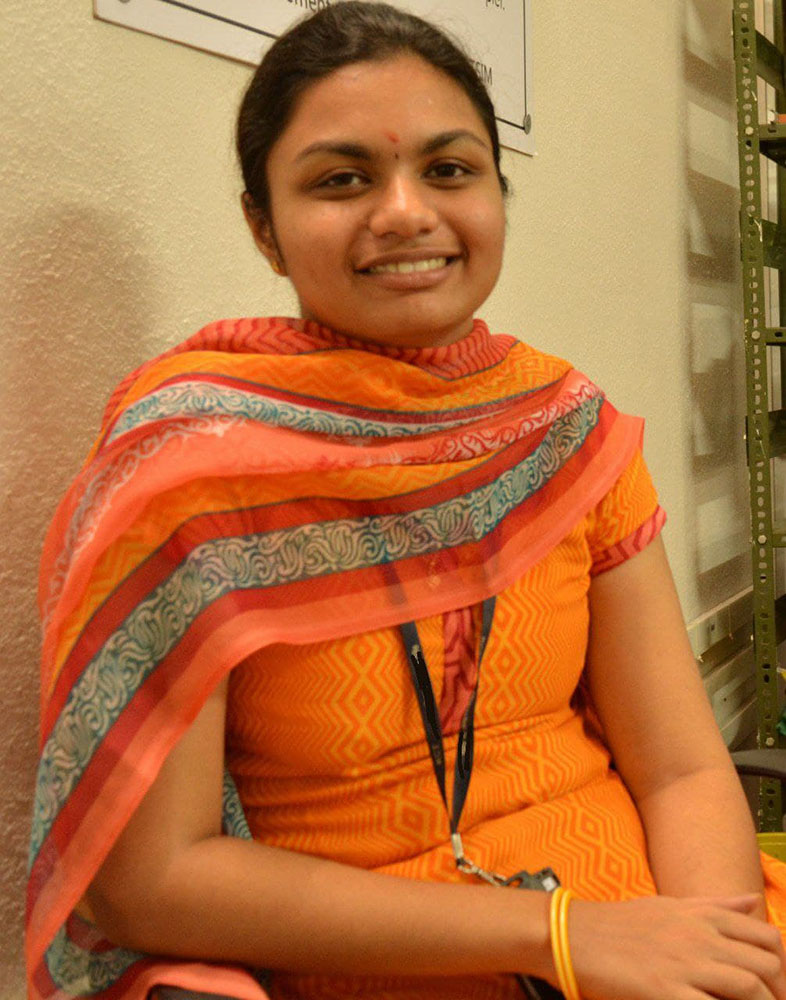
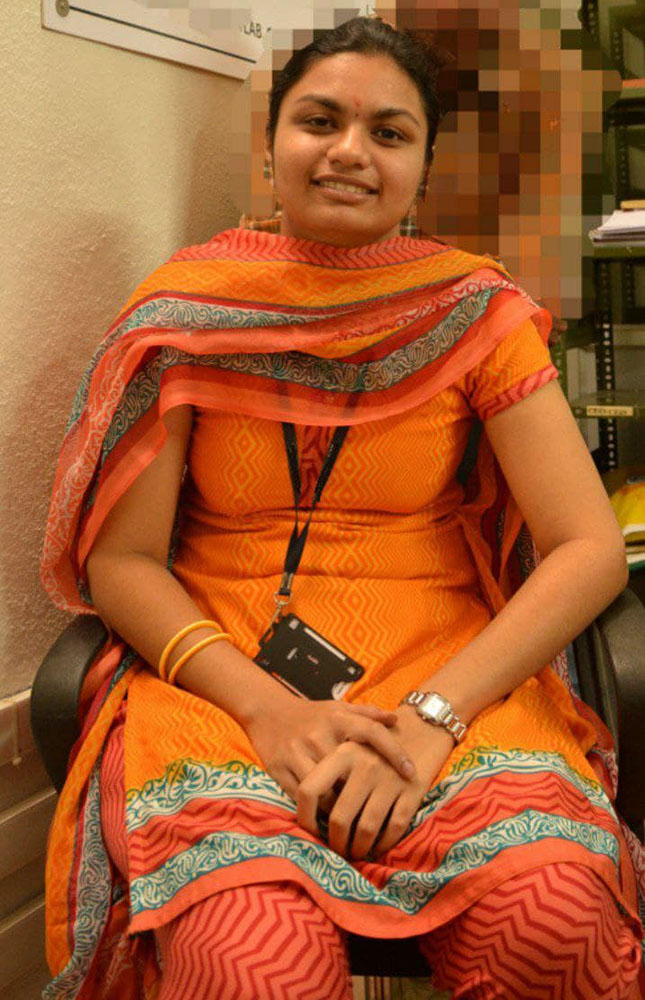
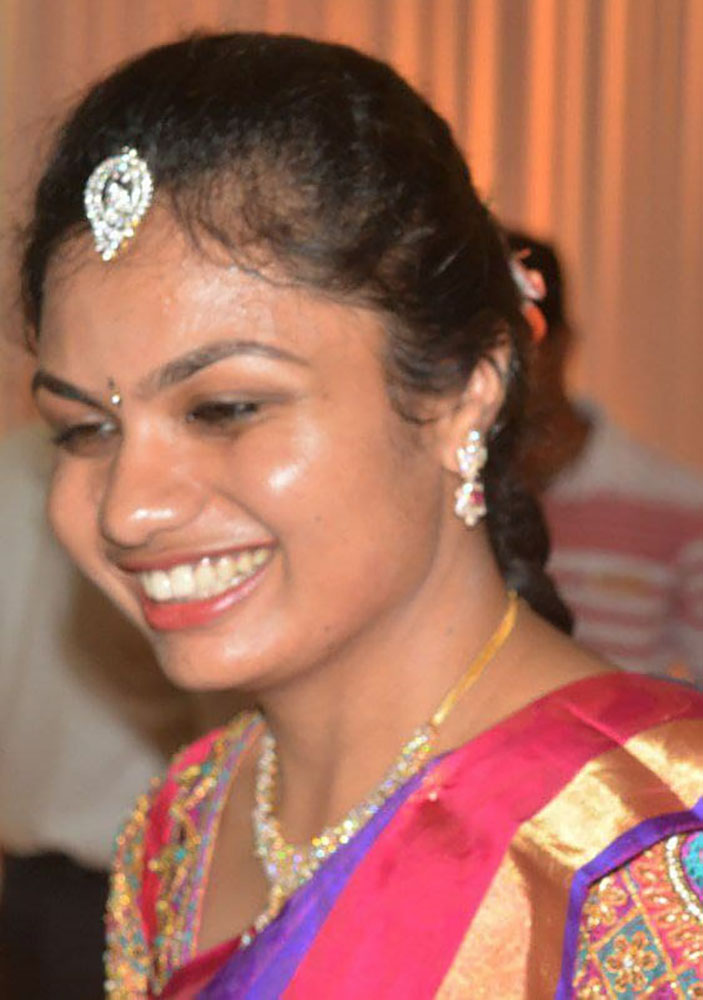
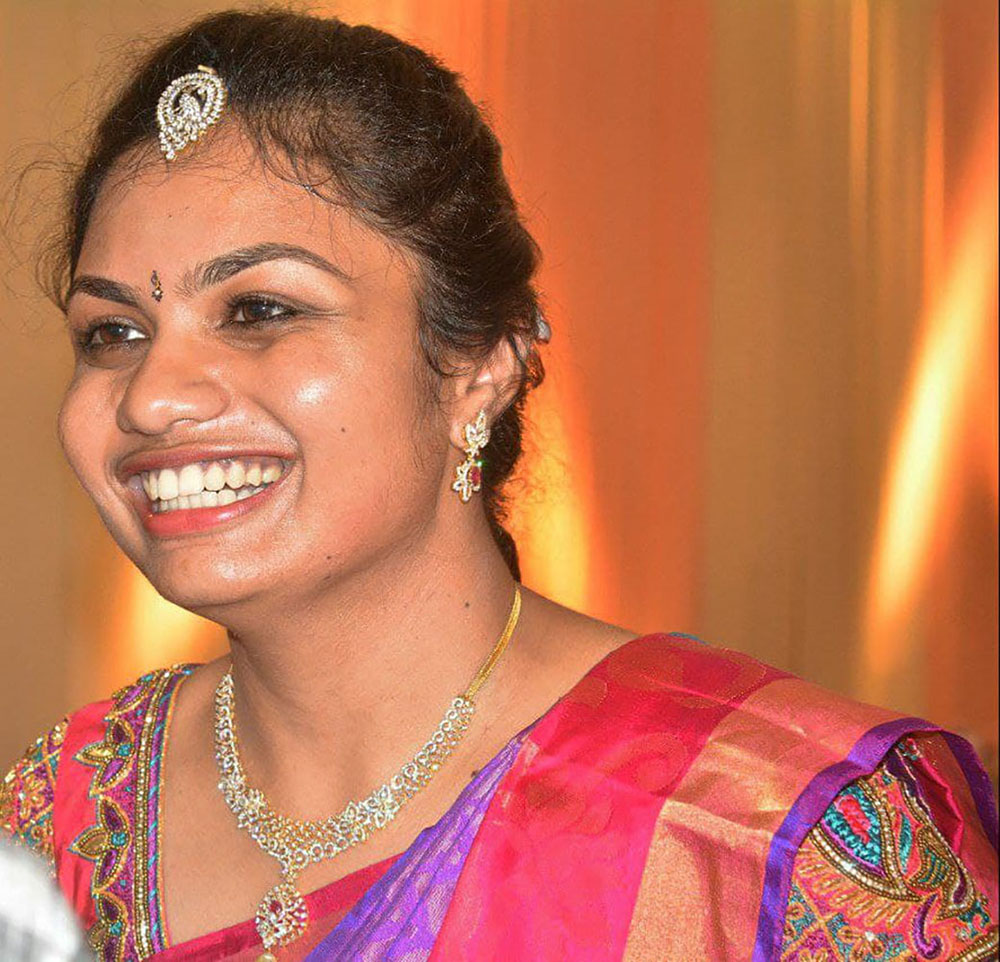
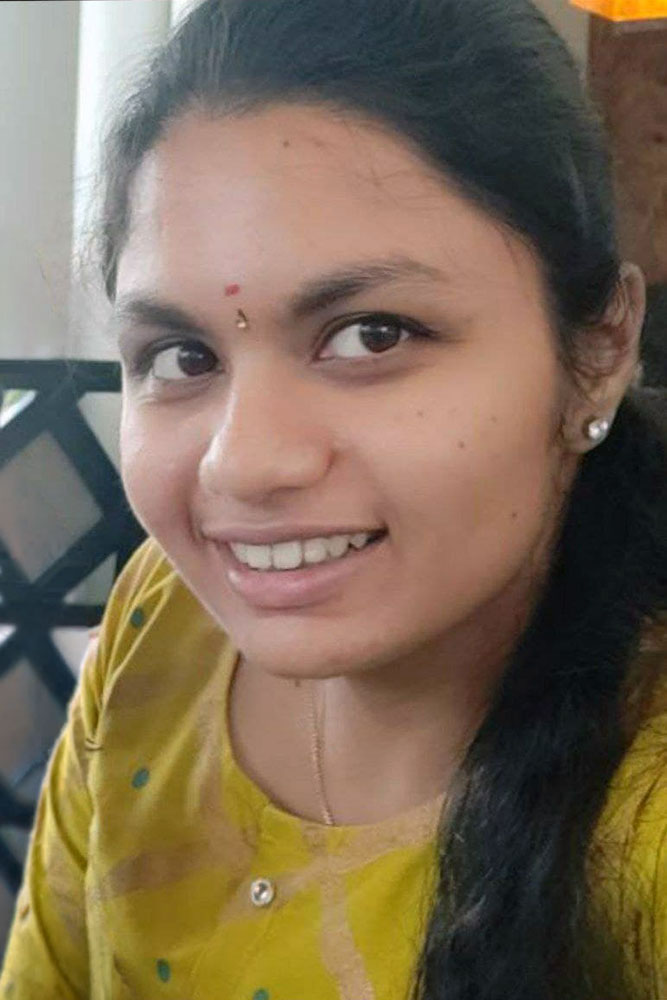
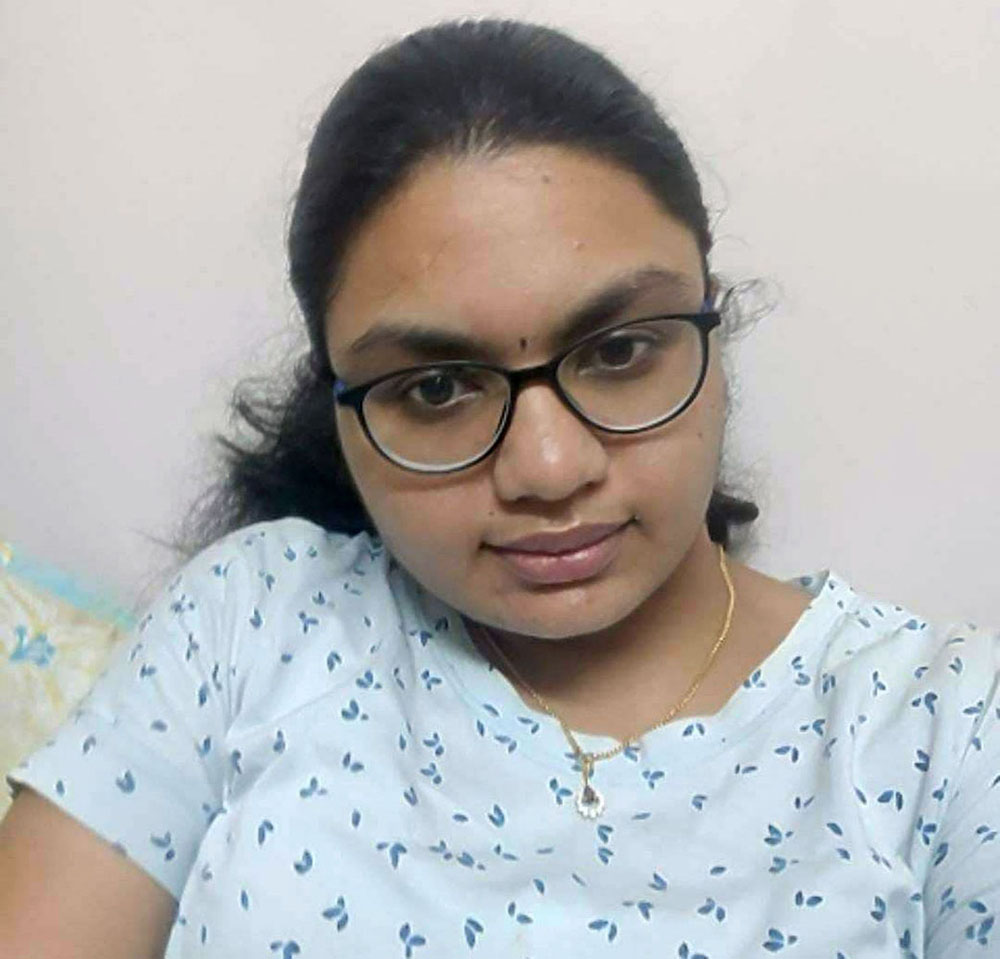
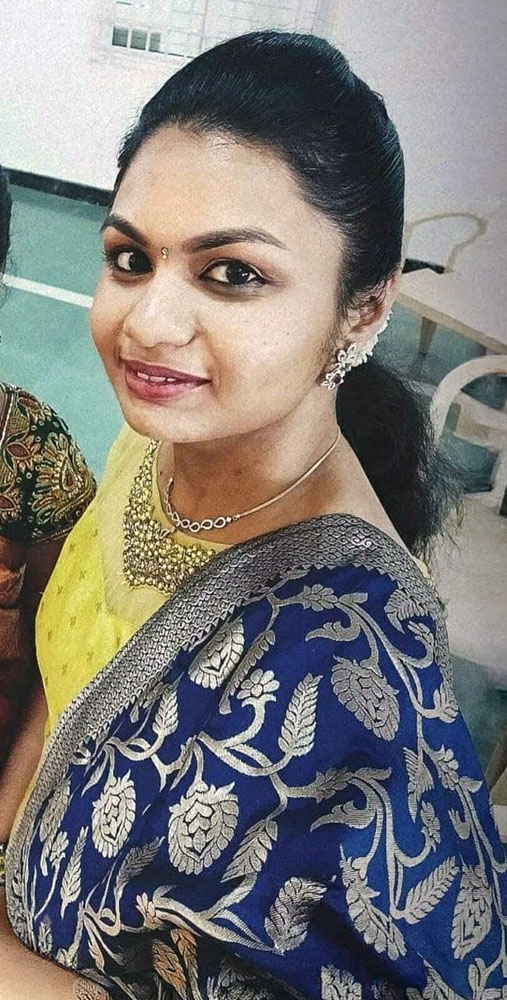
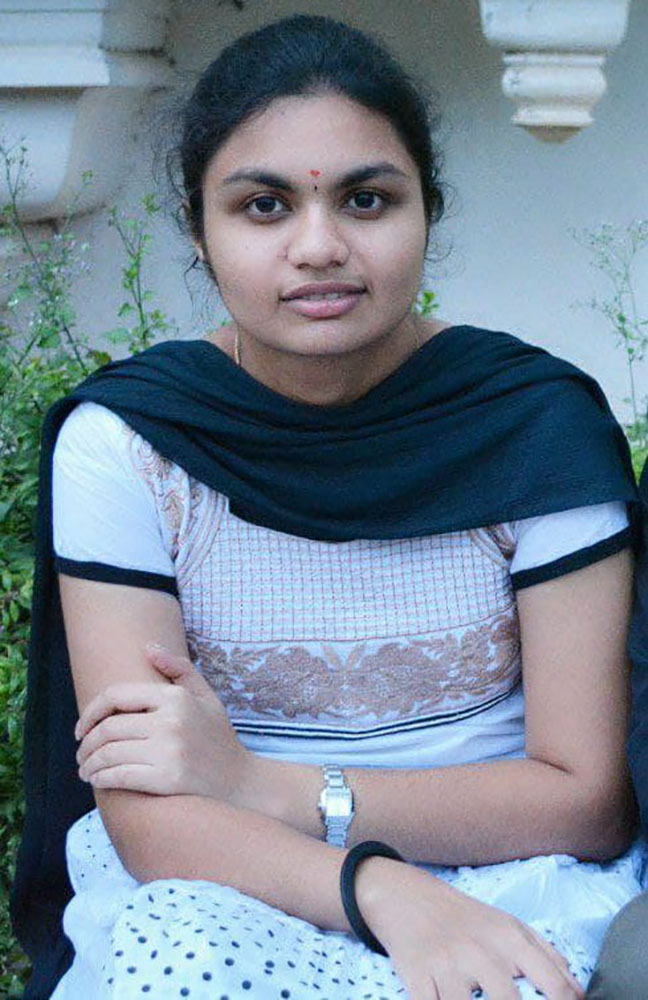
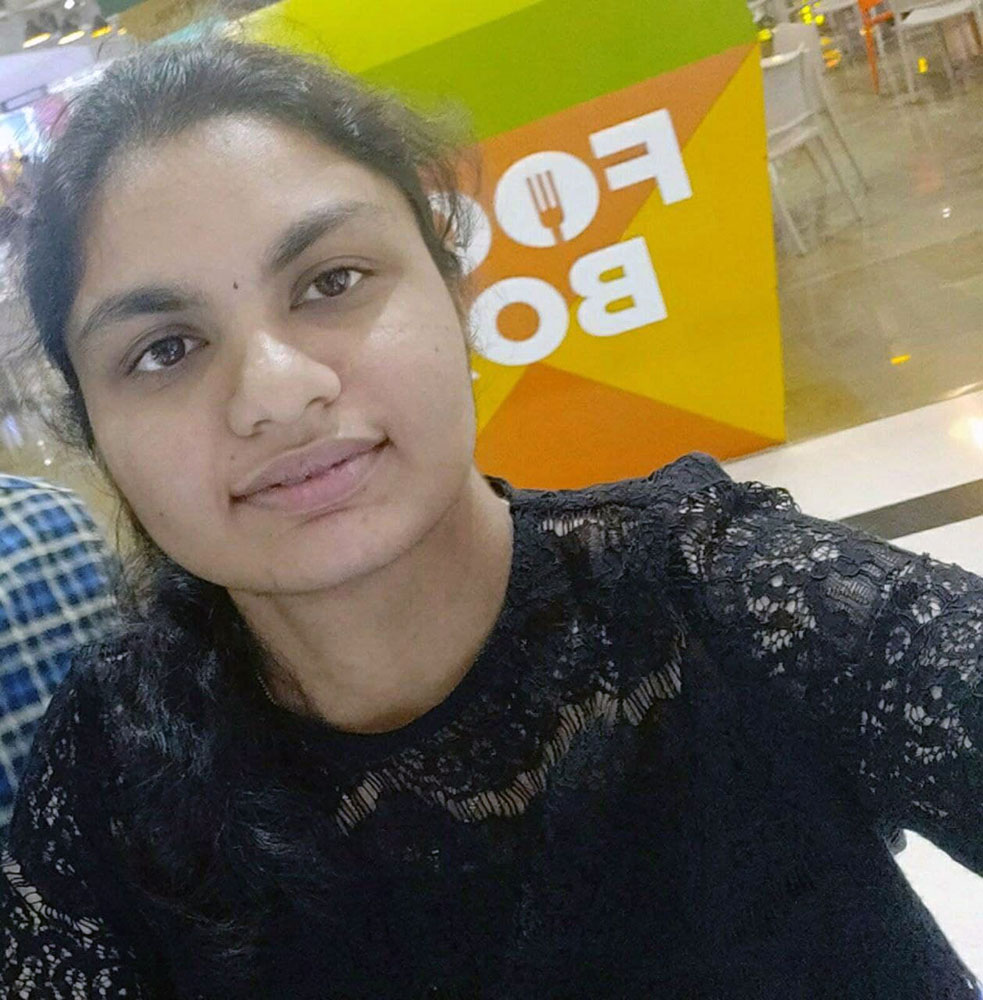
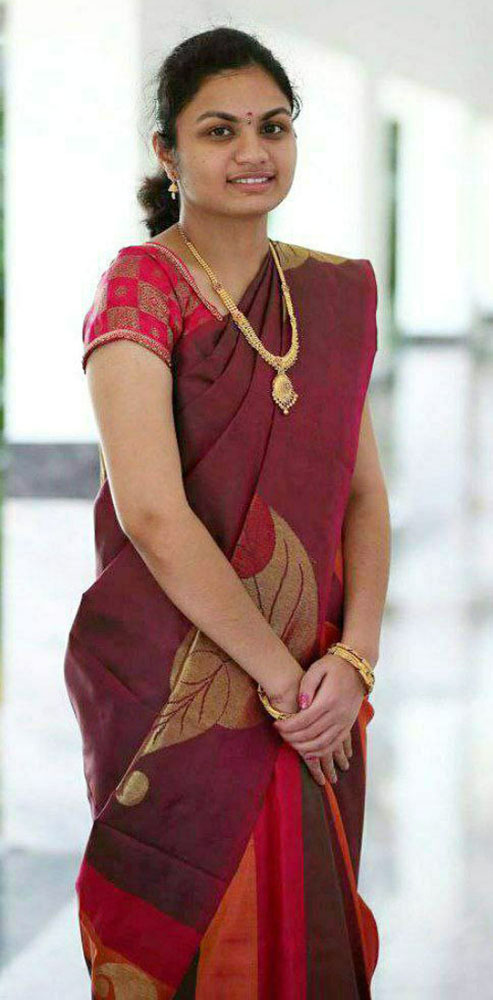
IN PICS: VARSHINI | CONTRIBUTED BY: NO NAME (TELEGRAM)
FOR BEST EXPERIENCE, READ ON A COMPUTER OR LAPTOP
Some of my stories are loosely based on real-life incidents, but details are fictionalized. My stories involve unsafe sexual acts. I do not condone unprotected sex and recommend readers to always practice safe sex. The risk is not worth it. These are fantasies and meant for entertainment only. My stories are my hobby — an expression of my erotic side. I mean no disrespect to women featured in my stories. If you know the woman in the story, please write to me and the pictures will be taken down — no questions asked.
Happy reading!
The alarm came in at 6:04pm on a Thursday.
I remember the exact time because I was pulling on my jacket, bag already on my shoulder, thinking about the dal I’d left soaking that morning. One notification. Then three. Then the board lit up like a Diwali string someone had yanked too hard.
Coordinated intrusion. Three client banking systems. The kind of breach that ends careers, triggers regulatory investigations, makes the evening news.
I put my bag down.
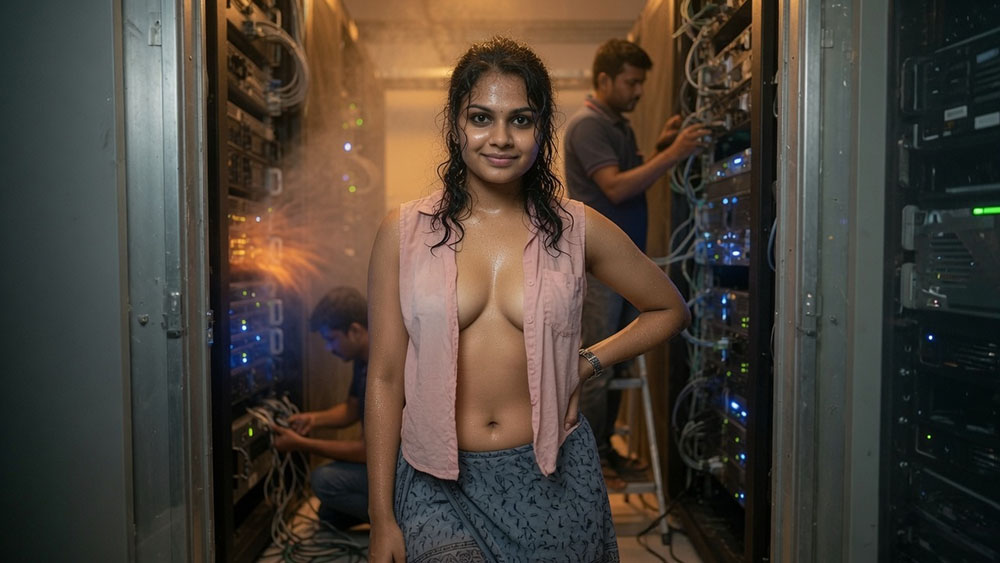
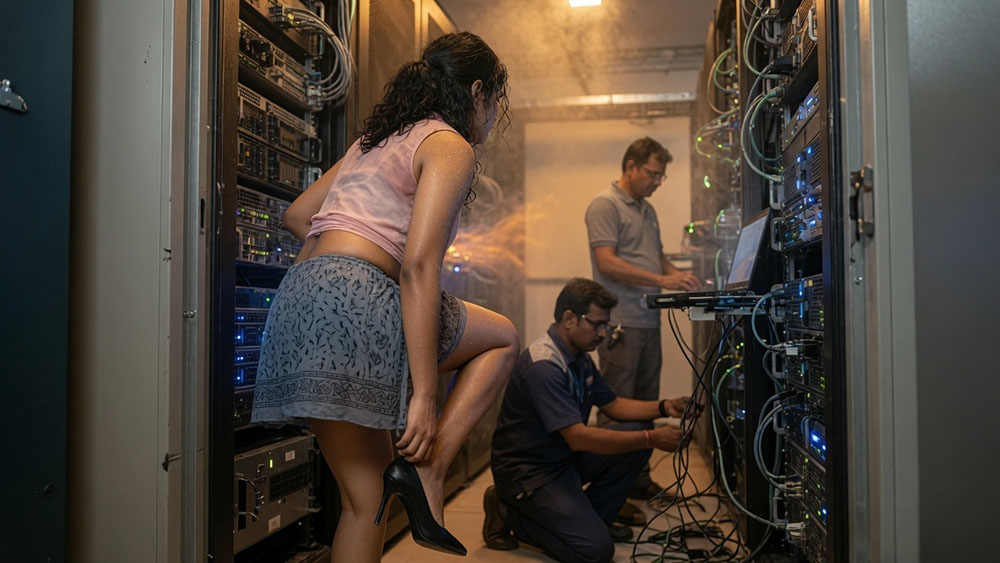
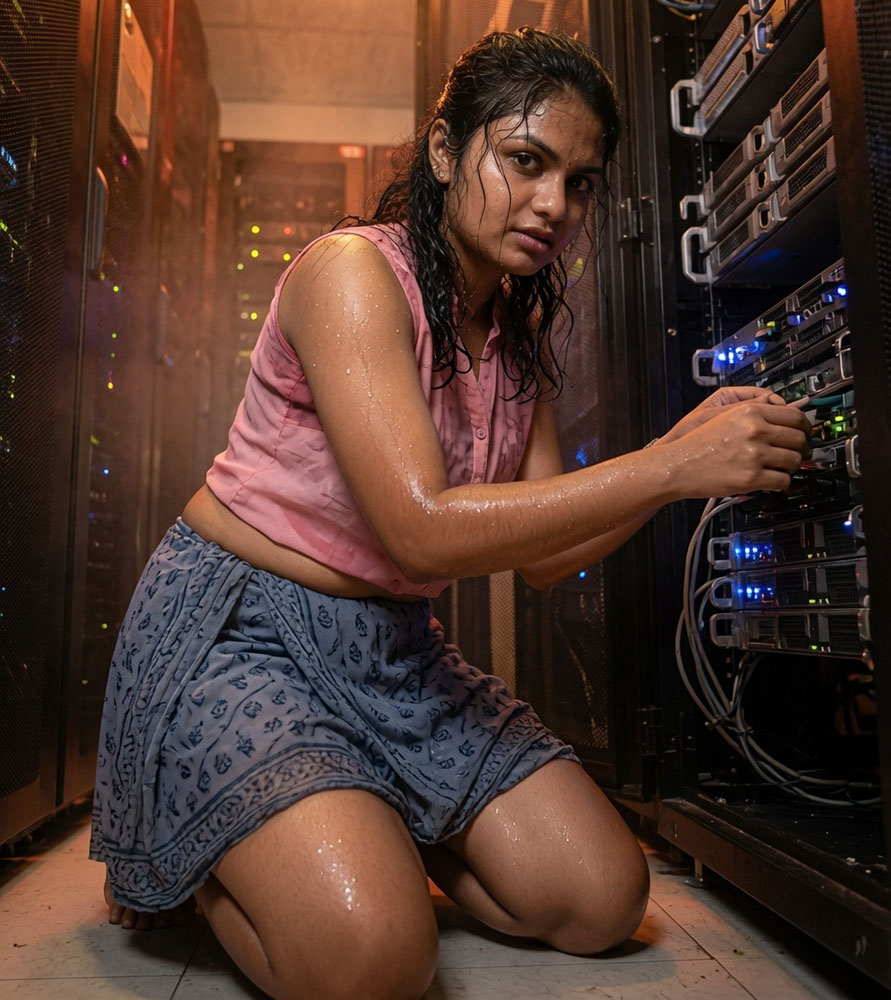
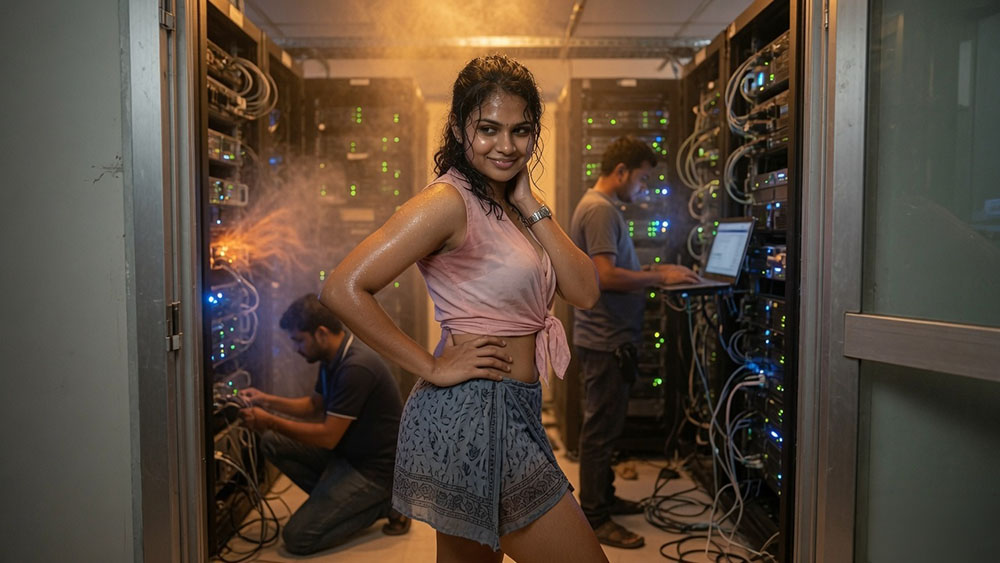
The SOC — Security Operations Center, twelfth floor, Apex Financial Global’s Bangalore campus — is a room most people in the building have never seen. Biometric entry. No windows. Twenty-seven screens on a curved wall and the particular hum of servers that never sleep. It’s my room. I built the protocols that run it. When something goes badly enough wrong, it’s where I live until it’s right again.
My phone rang. Raman.
“I’ve seen the alert,” he said before I could speak. “Singapore is already calling. They need someone from global relations on the ground by morning.”
“Go,” I said.
“Varshini —”
“Raman. Go. I have this.”
A pause. He knows better than to argue when I use that tone. Fourteen years of knowing me, seven of them married, and he still hears it as a wall rather than a door. That’s a thought for another time.
“Two weeks,” he said. “Maybe less if we contain the fallout fast on your end.”
“Fine. Safe flight.”
I hung up and walked back to the board.
The floor was emptying. Junior engineers shutting laptops, grabbing phones, the low murmur of people calculating whether they needed to stay. They didn’t. I needed two people and I already knew which two.

Omar Saini was at the third console from the left, jacket off, sleeves rolled, completely still in the way that meant he’d already seen something. Omar works with his whole body — when he’s in a problem you can see it, the slight lean forward, the way his hands move over the keyboard like he’s handling something physical rather than digital. Three years on my team. I’ve never had to explain anything twice.
“Everyone else,” I said to the room. “Thank you. Go home. We’ll update by eight.”
Parth Sharma was standing behind him, one hand on the back of Omar’s chair, reading the same screen. Parth is quieter than Omar in a way that reads as stillness rather than absence. He speaks when he has something to say and not before, which in a room full of people who perform competence by volume makes him either invisible or essential, depending on whether you know how to use him. I know how to use him.
The room cleared. Three of us left. We looked at the board.
“It’s not random,” Omar said.
“No,” Parth said. “Three simultaneous entry points. Someone spent time on this.”
“Find where they got in,” I said. “I’ll handle the clients.”
We worked. Hours passed the way they do in a crisis — in units of problem and solution rather than minutes. The SOC has a rest area off the main floor: a cot, a couch, a small bathroom, a kitchen unit with a coffee machine that runs twenty-four hours. Provisioned for exactly this. The room seals on biometric. Short of a fire alarm, nothing opens it from outside without my authorisation.
By eleven we’d isolated the attack vector. Not patched — that would take days — but located. The particular relief of knowing what you’re fighting settled over the three of us like pressure equalising after a long dive.
Omar exhaled and leaned back. “Okay. That’s something.”
Parth was already typing. “I want to map the full path before we patch. If there’s one entry like this there could be others.”
“Do it,” I said. “We’re staying the night.”
Parth nodded without looking up.
Omar stood, stretched, and looked at me. Just a second. Long enough.
I’d been aware of Omar for a while — aware the way you are when something runs adjacent to your life and you’ve made a decision, mostly unconscious, not to look directly at it.
He’s good-looking in a way that’s easy to set aside in a professional context: dark, well-built, a face that’s better in motion than in photographs. Colleagues.
We’d never needed to discuss what we weren’t. But there are looks that ask questions and looks that don’t, and the one he gave me before heading toward the kitchen was not a question.
Parth pushed back from his console. “Going for coffee.”
I walked to the secure restroom at the end of the corridor — biometric, attached to the rest area, separate from the main floor facilities.
I was at the sink, running cold water over my wrists the way I do when I’ve been staring at screens too long, when I heard the door.
Omar closed it behind him.
He didn’t say anything. Neither did I.
There’s a version of this moment where someone speaks and you both go back to being colleagues in a crisis. We didn’t take that version.

He kissed me the way I’d half-imagined he would — not asking permission he’d already been given. His hands found my face first, tilting it up, then moved to my waist, pulling me in, and I felt the tension of the last five hours shift from one kind of physical state to another entirely.

I kissed him back. That was the decision. Everything after was consequence.
His hands moved under the hem of my kurta, found the waistband of my trousers, slipped lower. His fingers parted me and I made a sound I swallowed immediately, aware of Parth somewhere on the other side of walls I was now hoping were solid enough.
Omar’s fingers moved slowly at first, reading me, two fingers working in a steady rhythm while his thumb pressed where I needed it. I’d been wound tight since the alarm. I hadn’t registered how tight until that exact moment — the pressure finding release, my hips moving against his hand without my conscious instruction.

He worked me until my breathing changed, until I was wet and swollen and gripping his forearm, and then he kept going past the point where I thought he’d stop.
I came with my forehead against his shoulder and his name bitten back behind my teeth, clenching around his fingers, my whole body shaking through it quietly.
He gave me a moment. Then his hands moved to his belt.

I went to my knees on the cool tile. Took him out and looked at him for a moment — hard, thick, his breathing already unsteady — and then took him into my mouth without preamble. Deep as I could go, slow at first, feeling him try to stay quiet.
His hand settled in my hair, not directing, just present, and I worked him with my mouth and hand together, finding the pace that made the muscles in his thighs tighten, that made the breath come out of him in controlled fragments.
There is a particular satisfaction in taking a composed man apart at the seams. I took my time with it.
When he was close he pulled me up.

He turned me to face the counter. I braced my hands on the cold edge and felt him push my trousers down, position himself, and then push into me in one deliberate stroke that drew a sound out of me I’d have been embarrassed about in any other context.
He fucked me hard and fast, which was exactly what the moment required. No ceremony. No time for anything complicated. His hands gripped my hips and he drove into me at a pace that matched the pressure of the night — five hours of containment releasing all at once, both of us chasing the same release.

I came again with my teeth in my lower lip, gripping the counter, my whole body going tight around him. He followed seconds later with a low sound and his hands clenching on my hips.
We didn’t speak. That was also a decision.
He went back first. I straightened my clothes, ran cold water, looked at myself in the mirror.
My face told me nothing useful. I’ve always had a good mirror face.
I gave it two minutes and went back to the floor.
Parth was at his console, headphones on, a fresh mug beside him. He looked up when I came in.
His expression was unreadable in the usual way — Parth gives you nothing until he decides to give you something. I couldn’t tell what he knew or guessed or had heard through walls I’d assumed were solid enough.
He turned back to his screen.
I sat down, pulled up the client breach log, and went back to work.

Two days later they gave me six hours.
The initial patch was live, the immediate threat contained. Omar and Parth would monitor. I drove home through a Bangalore that was already awake at 4am — trucks on the outer ring road, a chai stall glowing at a junction, dogs that owned the empty intersections with the authority of a city’s most honest residents.
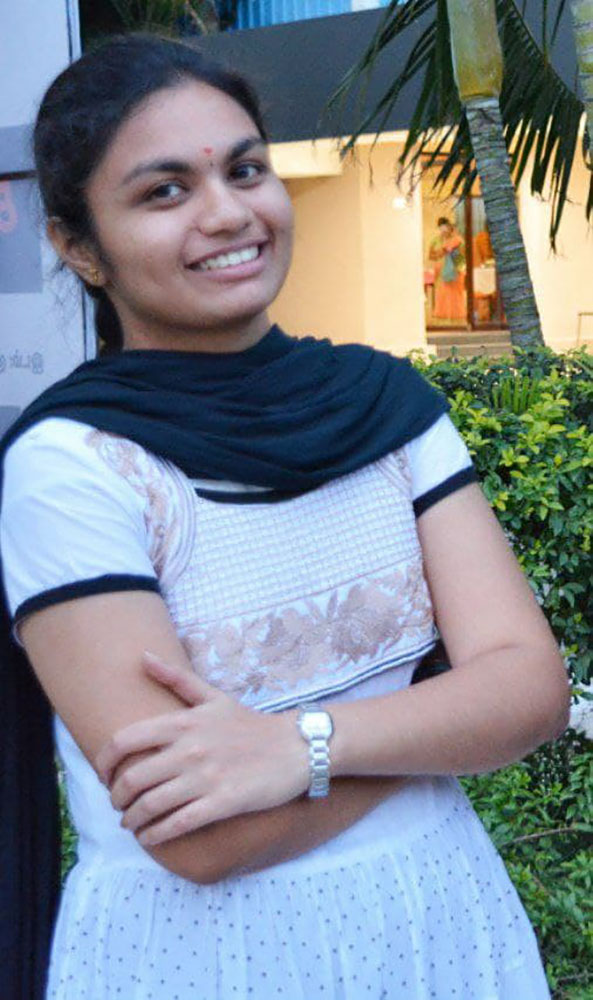
I love Raman. That’s not the part I’m confused about.
I love him the way you love someone you chose carefully, someone who has been kind across years that included some hard ones, someone whose absence from a room you notice. That’s real. That’s not performance.
But there is a thing that happens in a marriage, sometimes, where two people become so good at being a unit that they stop being two bodies. You stop surprising each other.
The physical becomes familiar in a way that’s comfortable and bloodless and you don’t talk about it because what is there to say — that you want to feel wanted rather than managed? That competent and present isn’t the same thing as hungry? That you have needs that have been going unnamed for so long you almost forgot they existed?
Last night named them.
I’m not sorry. That surprises me. I expected guilt — the grinding kind that makes the next two weeks professionally awkward and privately miserable.
Instead there’s something quieter. An acknowledgment. The particular peace of having stopped lying to yourself about something you’d been half-aware of for years.
I pulled into the building parking. The flat was empty and cool. I showered, stood under the water for a long time, and slept.
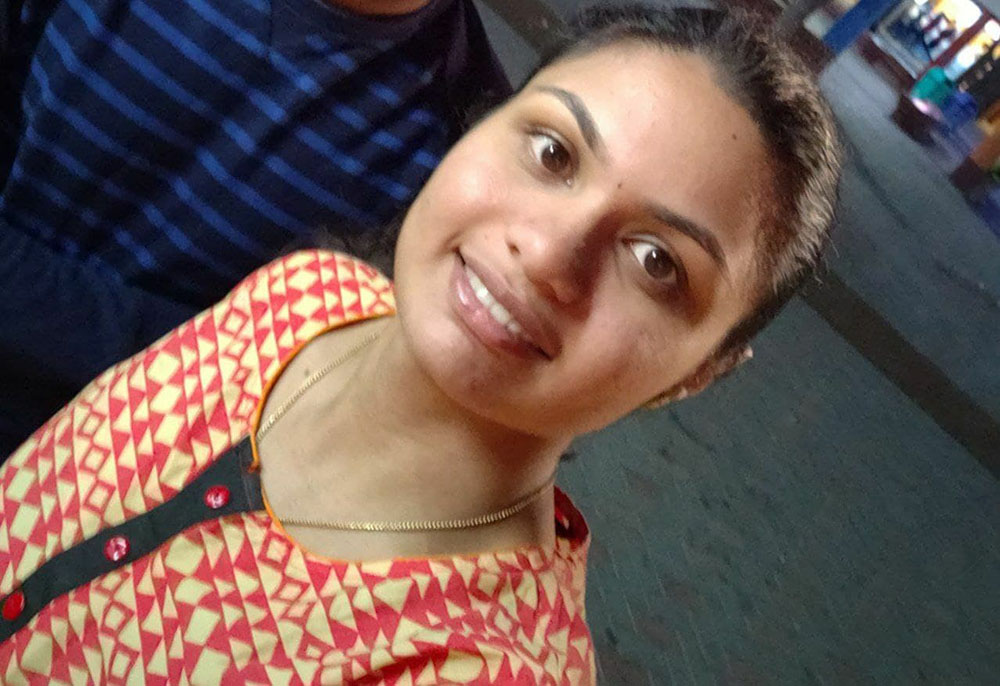
Day five.
The architecture rebuild was three days old and holding. We’d moved from crisis response to the slower, more deliberate work of making the system stronger than it had been before the breach — the silver lining nobody puts in incident reports but everyone in security knows is there. The adrenaline was gone. What remained was competence and concentration and the quiet that settles over a team when they’ve stopped being afraid and started being good.

Omar was on the fourteenth floor coordinating with the infrastructure team. Parth and I were alone in the SOC.
We’d been working in companionable silence for two hours when he spoke.
“Is that Kerala?”
I looked up. He was looking at my laptop screen — screensaver cycling through old photographs. The one on display was from four years ago, before the Apex role, before the weight of managing a team this size had settled permanently into my shoulders.
I was standing on a houseboat railing somewhere on the backwaters, hair loose, laughing at something off-camera. I looked younger and lighter and like someone who had not yet learned to keep her face still in difficult rooms.
“Alleppey,” I said. “My cousin’s wedding. I nearly missed the ceremony because I kept getting back on the boat.”
He smiled. Not the polite workplace version — the real one, which Parth deploys rarely enough that you notice when it arrives. “You look different.”
“Less tired.”
“That too.”
Something in the way he said it. Not the words — the space around them. The deliberateness of a man who’d thought about what he was going to say and decided this was it. Parth doesn’t speak carelessly. I’ve worked with him long enough to know that.
I held his look.
He crossed the floor toward me slowly, without the urgency Omar had brought, without anything that could be mistaken for impulse.
This was a choice being made step by step. He stopped in front of me and waited, giving me the same space he always gives me — the decision was mine.
I reached up and touched his face.

He kissed me differently than Omar. Where Omar was immediate, Parth was thorough — like he’d decided to understand something rather than simply take it, and was in no hurry about either. His hands moved through my hair, along my jaw, down my neck with a patience that made me slow down to match him whether I intended to or not.

He undid my kurta buttons one at a time. Each one deliberate. His eyes on mine between each one.
When he took me to the small couch in the rest area it was with that same quality of attention. He laid me back and moved down my body slowly, unhurried, his mouth at my throat, my collarbone, my breasts, taking his time with each place like he was filing it away.
By the time he settled between my thighs I was already desperate in a way I hadn’t entirely anticipated — the slowness had built something that urgency wouldn’t have.

He used his mouth on me with the same precision he brings to everything — systematic, attentive, adjusting in real time to what my body told him.
His tongue worked my clit in long strokes first, then shorter, faster circles when he understood the rhythm I needed, two fingers curling inside me while his mouth stayed on me.
I stopped tracking time. I stopped tracking anything except the sensation accumulating, building past the point where I expected it to peak and continuing

I came in a long rolling wave that went on longer than I’d expected and left me breathless and loose-limbed on the narrow couch.
He didn’t stop immediately. He eased me through the aftershocks with his tongue still moving gently, slower, until I was done and had pulled him up by the shoulders.
He moved over me and then he was in me.

We found a rhythm. Face to face, slower than I’d expected and more intense for it — deep, steady strokes, his forearms braced on either side of my head, his eyes on mine. Missionary in a way that made the word feel insufficient.
The intimacy of it was different from Omar and I didn’t try to compare them in the moment because comparison required a kind of distance I didn’t have. I had my legs around his waist and my hands in his hair and I was completely present in the way that doesn’t happen often enough.

I came again just before he did, clenching around him, my back arching.
He followed with his face pressed to my neck, his whole body shuddering once, and then still.
Afterward, quiet. The SOC hum. The blue light of standby screens. Two people lying still.
Both of them had given me what Raman doesn’t.
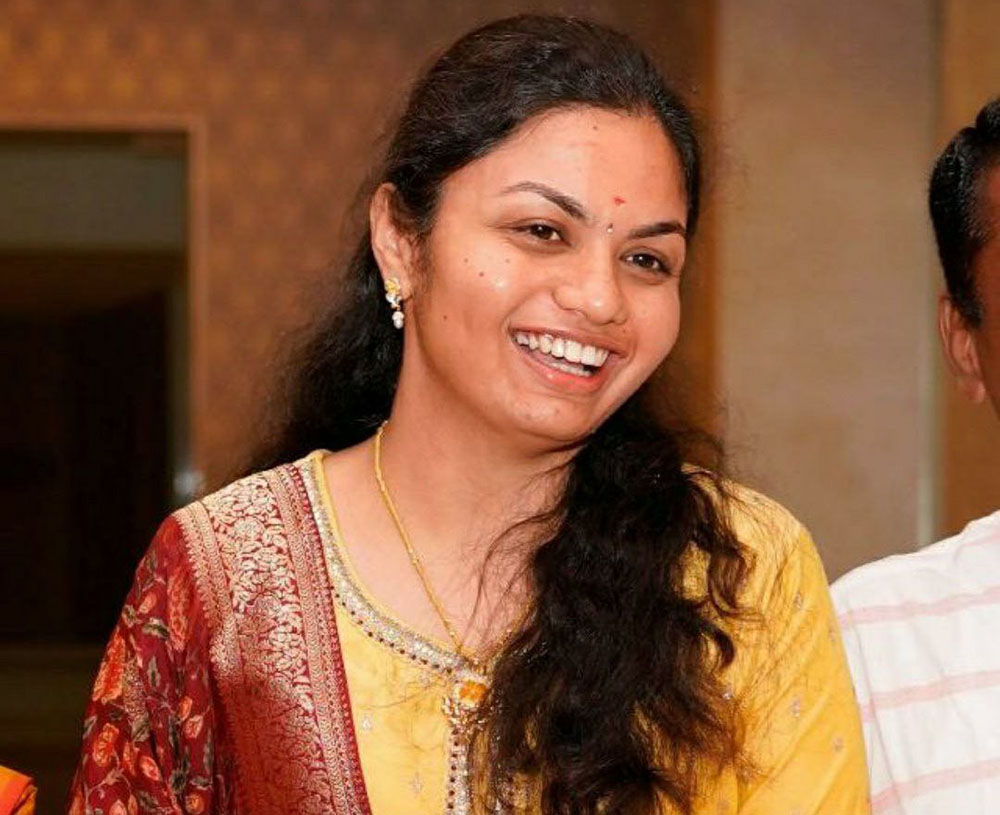
Not the same thing — that was what I kept returning to as I lay there. Omar and Parth were nothing alike in that room, the way they’re nothing alike anywhere.
But both of them had delivered something I’d stopped expecting, something I’d been quietly convincing myself I didn’t need anymore. I didn’t know which I preferred. The question felt like it wanted an answer I wasn’t capable of giving, and possibly like it didn’t need one.
Parth pulled his shirt on. Looked at me with the expression that means he’s about to say something true.
“Omar comes back in twenty minutes.”
“I know,” I said.
He went back to his console. I lay where I was for another minute looking at the ceiling, and then I went back to mine.

Day nine. Raman was back from Singapore.
I’d come home to a flat that smelled like his aftershave and had food in the refrigerator, which is his way of saying he’d missed me. We ate together, talked about the breach in the broad strokes I’m allowed to share, watched something on television neither of us paid attention to. Normal. Comfortable. The well-worn groove of a marriage that works by most measures.
Later, in bed, he reached for me.

I let him. I was present, trying to be present, aware that the distance I sometimes feel is not entirely his fault and that fairness requires effort. He moved over me in the way I know well, the way I’ve known for seven years: considerate, unhurried, steady.
He touched me carefully and kissed me and positioned himself between my thighs and pushed inside with the familiar ease of two people who know each other’s bodies. I moved with him. I was there. I simply wasn’t all there, the way I sometimes am, and I was in the process of accepting that when my phone went.
The specific alert tone I’d set for Tier 1. The one that means stop everything.
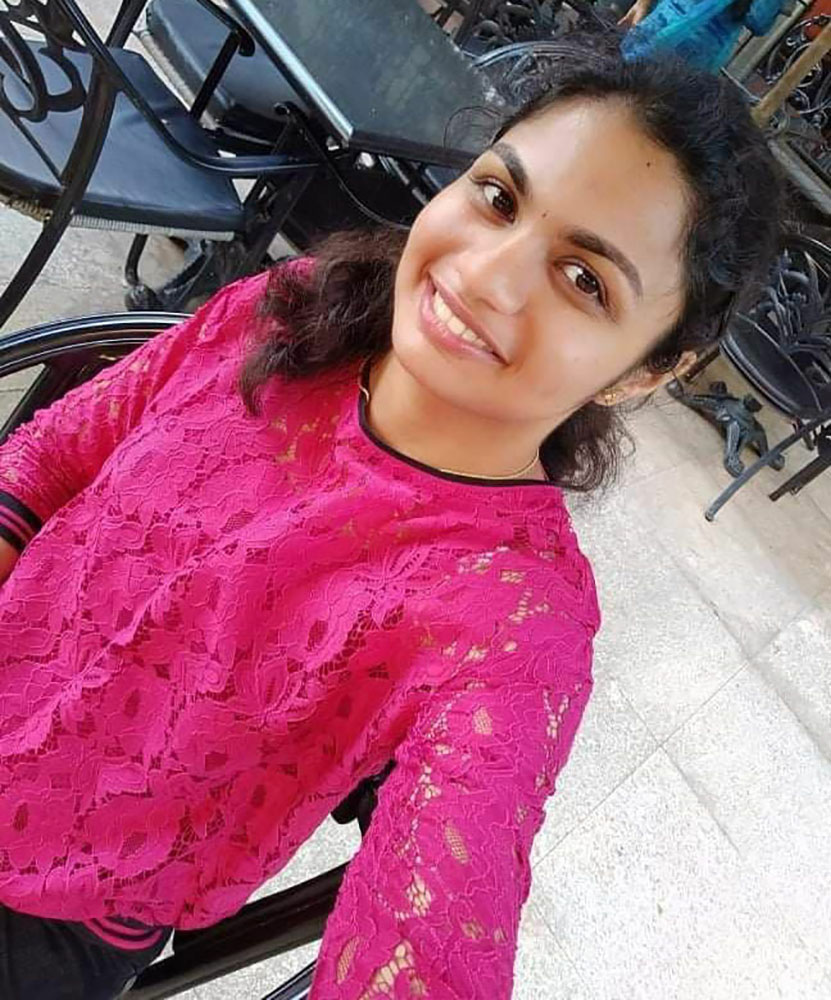
Raman felt me tense before I’d even reached for it. He stilled. After seven years he knows the difference between my work sounds.
I read the notification. Someone probing the new architecture — systematic, intelligent, testing seams. Not inside yet but close. The kind of probe that becomes a breach in four to six hours if nobody’s awake.
“Go,” Raman said. Not unhappy. Not resigned either. This is the woman he married and he knew it.
I was dressed in three minutes. Called Omar from the car. He’d already seen the alert, was twelve minutes from campus. Called Parth. Eight minutes out.
Neither of them asked why I was calling instead of the junior on overnight rotation. They knew.
The campus was quiet in the particular way corporate buildings are at 2am — skeleton security staff, the hum of building systems, the truest version of these places stripped of the performance of daytime.
I pulled into the parking structure and walked fast to the main entrance.
They were both in the glass lobby, phones out, standing close, already deep in the attack pattern. The overhead lighting caught them from above — Omar still straightening his jacket, Parth in the same calm he carries everywhere. They looked up when I came through the doors.
I badged them through. We moved down the corridor without speaking, fast, the synchrony of a team that has done this before. I pressed my palm to the server room biometric. The door unsealed.
We went in. It sealed behind us.
The screens came alive.

We worked until 4am.
Not just closed the probe — we identified the attacker’s full infrastructure, mapped the network of compromised endpoints they’d been using as launchpads, and filed a complete report to CERT-In with timestamps and evidence packets. Cleaner work than the initial response. The kind that happens when a team stops reacting and starts thinking.
Omar leaned back when the report sent. “That’s it.”
“That’s it,” Parth said.
I ran the certification sequence. Watched the board move through its verifications — green, green, green, the last one taking three seconds longer the way it always does, some legacy latency in the handshake protocol I keep meaning to fix. Then green.
Alert status: All Clear.
The room wouldn’t open until I authorised release to the duty security officer, who would confirm and log it and notify building management.
Twenty minutes minimum, probably forty. We were sealed in until then.
The three of us sat in the blue-green glow of standby screens.
Omar looked at me. Then at Parth.
Parth looked back at him. Then at me.
Nothing to negotiate. We’d been in this room together for most of nine days. Some things had happened. Some things were known, if not discussed.
The seal was still in place and the work was done and the pressure that had been holding everything at professional distance had just released along with the alert status.
I stood up.
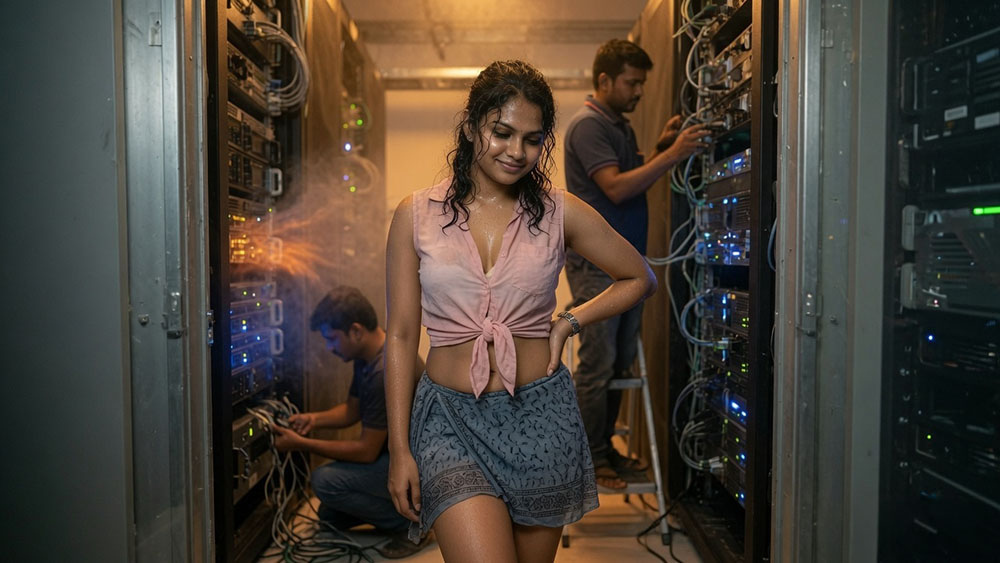
Omar came to me first. His hands on my face, the way they’d been the first night, but unhurried now — no crisis driving it. He kissed me slowly and I felt Parth move in behind me, his hands at my shoulders, his mouth at the back of my neck, and the particular quality of having attention arrive from two directions at once settled over me like stepping into warm water.
Four hands. I stopped being able to track whose was whose and stopped trying.
Omar’s mouth on mine, Parth’s lips at the curve of my neck and shoulder, both of them moving against me, around me, and I reached back to pull Parth closer while my other hand curled into Omar’s shirt.
They undressed me between them with a patience that I hadn’t expected — Omar from the front, Parth from behind, unhurried, like they’d reached some understanding in the forty minutes between All Clear and this moment that I hadn’t witnessed.
My kurta first, then my bra, Parth’s hands at the clasp while Omar’s mouth moved down my throat to my collarbone and then lower.
By the time I was standing between them in nothing but my trousers, their mouths and hands working over my bare skin from front and back simultaneously, coherent thought had mostly stopped being something I was doing.
I reached for Omar’s shirt. Parth’s hands went to my waistband.
Within minutes the rest area couch had become a different room entirely.

Parth sat. I went to my knees in front of him and took his cock in my mouth — slow at first, base to tip, feeling him go from half-hard to fully hard in my hand, his breathing shifting.
Behind me, Omar knelt and parted me with his fingers, sliding two inside me while his thumb worked my clit, and the sensation of being filled from one direction while using my mouth on the other man was something that required no thought, only reception.
Omar worked me with his fingers until I was close, then closer, then over — my first orgasm quiet and clenching, my mouth still on Parth, who made a low sound above me and gripped the back of the couch.

Omar stood. I felt him position himself and push inside me slowly, letting me feel the full length of it
I moaned around Parth’s cock at the sensation of being filled from both ends simultaneously, the particular density of it.
Omar started moving — deep, controlled strokes — and I matched his rhythm with my mouth, all three of us locked into the same pulse.

Parth came first, both hands in my hair, a sound he’d been suppressing escaping him as his hips lifted and he pulsed against the back of my throat.
I swallowed and kept my mouth on him until he was done, until the grip on my hair eased and became something gentler.
Omar pulled me upright onto the couch — me on my back, him over me, repositioning.
He pushed back inside and fucked me harder now, the controlled pace giving way to something more urgent, his body heavy over mine, and I wrapped my legs around him and let him drive into me until I came again, gasping, my nails in his back.

He followed moments later, his face against my neck, his whole weight settling over me as he finished.
We lay still. Caught breath. The screens still green. The room still sealed.
Parth had recovered. He looked at Omar. Some exchange passed between them — brief, silent.
“Yes,” I said. I hadn’t been asked in words. It didn’t require words.

Omar moved. Parth moved. The rearrangement took a moment — patient, deliberate, no urgency. Omar on his back on the couch. Me over him, taking him inside me again, facing away, his hands at my hips steadying me. Parth behind me, his hands moving slowly down my back, his mouth at my spine, taking his time, giving me space to adjust to what was coming.
He used his fingers first — pressing slowly, reading my responses, waiting until my breathing told him what he needed to know. Then, slowly, carefully, he pressed inside from behind.
The fullness of it was its own category. Past pleasure and not yet overwhelm — the narrow territory between them where the body stops cataloguing sensation and simply receives it. I went still, adjusting, and both of them held still with me until the stillness became movement, all three of us finding a rhythm together that had its own logic, its own timing.

I lost count. I know there were more orgasms — I know because I felt them, one building into the next, the sensation relentless and rolling, my voice doing things I’d have been self-conscious about if I’d had the capacity for self-consciousness.
I know Omar came with his hands gripping my thighs and his back arching off the couch.
I know Parth followed, his chest against my back, his arms coming around me as he finished.
And then the three of us were still.
The server room hum. The green glow of the board.
The particular silence of people who have used up everything they had and are not sorry about it.
Omar said eventually, his voice rough, “We should clean up before the door opens.”
“Yes,” Parth said.
“Yes,” I said.
We did.
The server room door opened at 7:43am.
Verification complete. Certification logged. Global propagation confirmed across all forty-seven affected nodes. Building management notified. Duty security officer sign-off received. Every box ticked, every protocol satisfied. The door opened the way it always does — a soft hydraulic exhale, a shift in air pressure, the moment where the sealed world connects back to the ordinary one.
The floor outside had filled while we worked. Word had gone around — IT leadership, the CISO, junior engineers who’d come in early, people from global relations who’d flown in overnight and wanted to see the result firsthand. Someone had brought coffee. Someone had brought sweets from the Iyengar bakery on the ground floor.
When the three of us walked out, they applauded.
We looked exactly as expected: exhausted, wrinkled, blinking in the brightness of a floor with considerably more lights than the room we’d just left. Varshini and her two engineers, locked in a server room for fourteen hours, every minute of it working. Which was true. More or less.
A senior man from global relations — impeccably dressed, always slightly concerned about something — stepped forward and shook all three of our hands.
“Extraordinary work,” he said. “All of you. Let’s hope we never have to go through anything like this again.”
I looked at Omar. Omar looked at Parth. Parth looked at me with the expression he wears when he finds something quietly, privately amusing and has decided not to say so.
I reached out and took both their wrists. Lifted their hands.
“Don’t worry,” I said. “I have the best team. They can fix any problem.”
THE END
I always look forward to your feedback.
Please comment on the story to let me know what you liked about it.
VARSHINI’S GALLERY