The Lucky Charm5 (1)
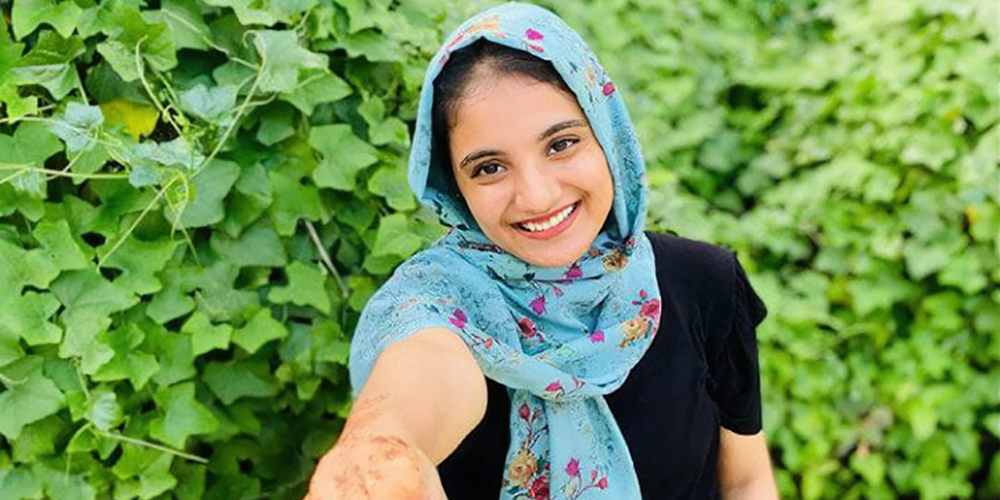
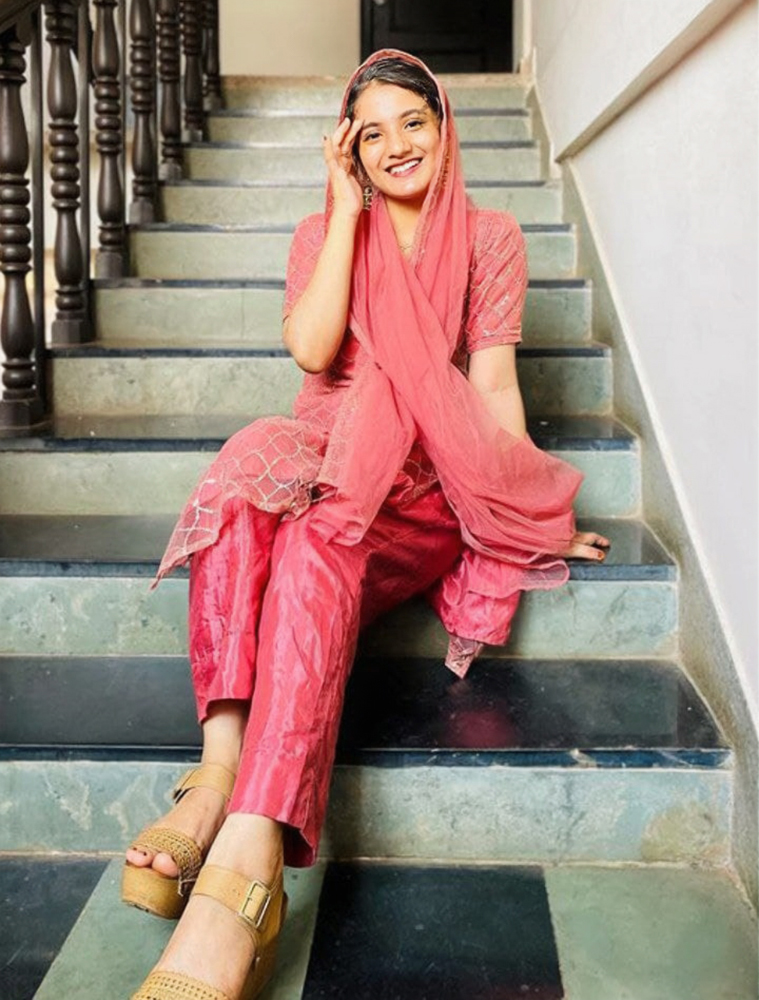
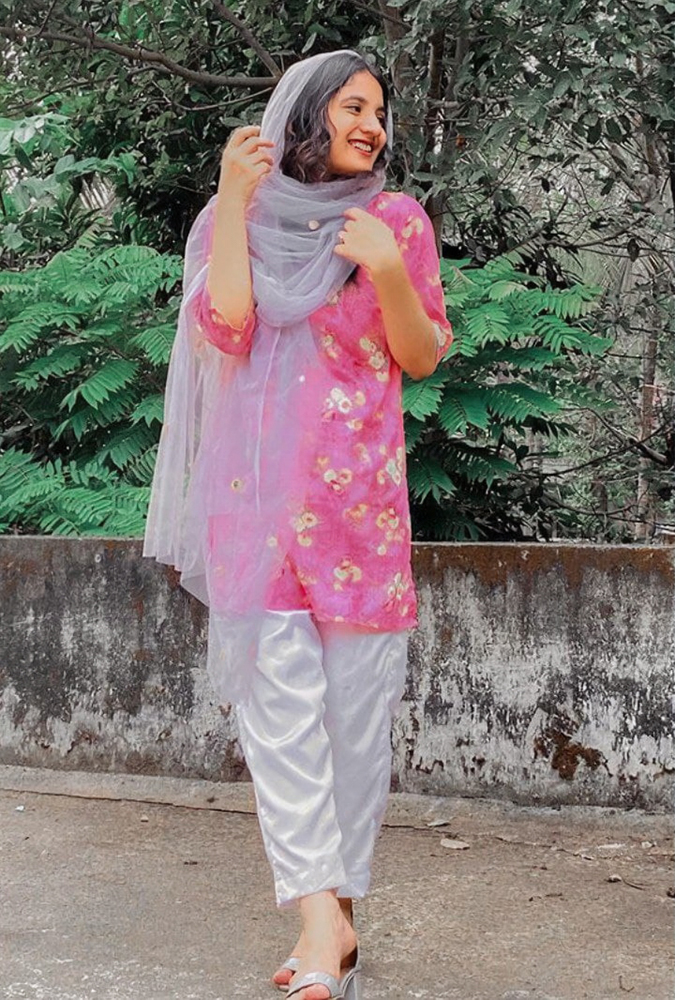
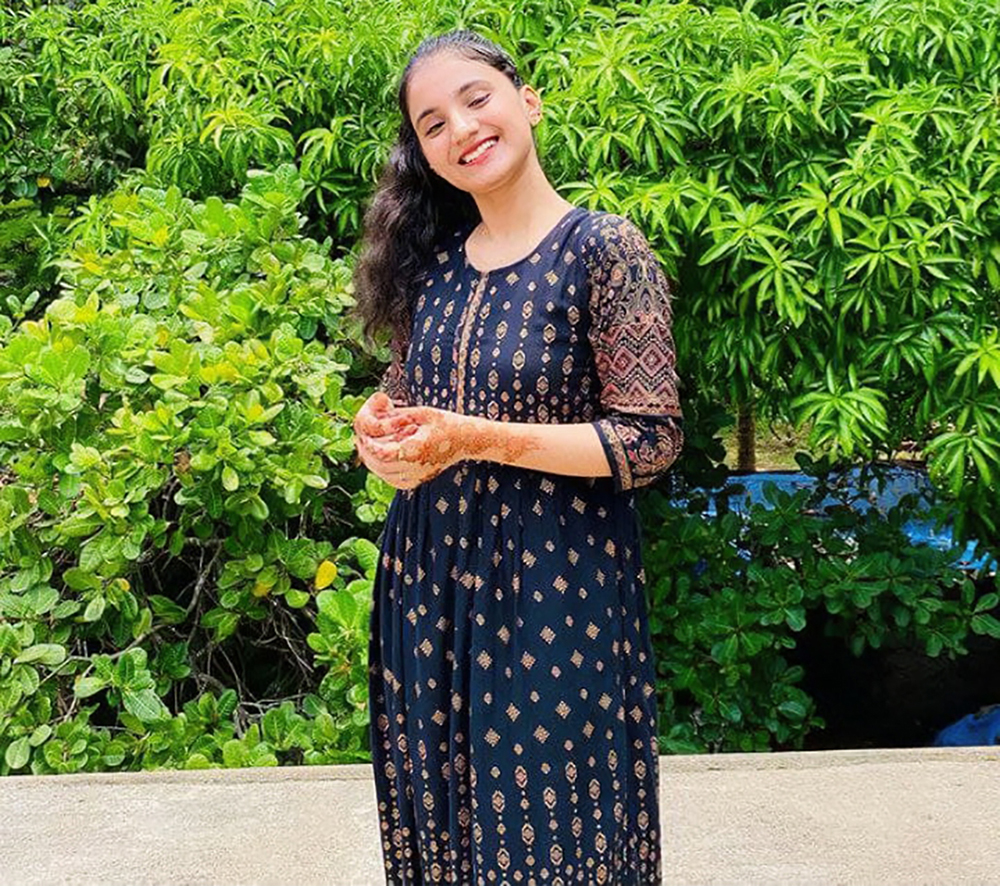
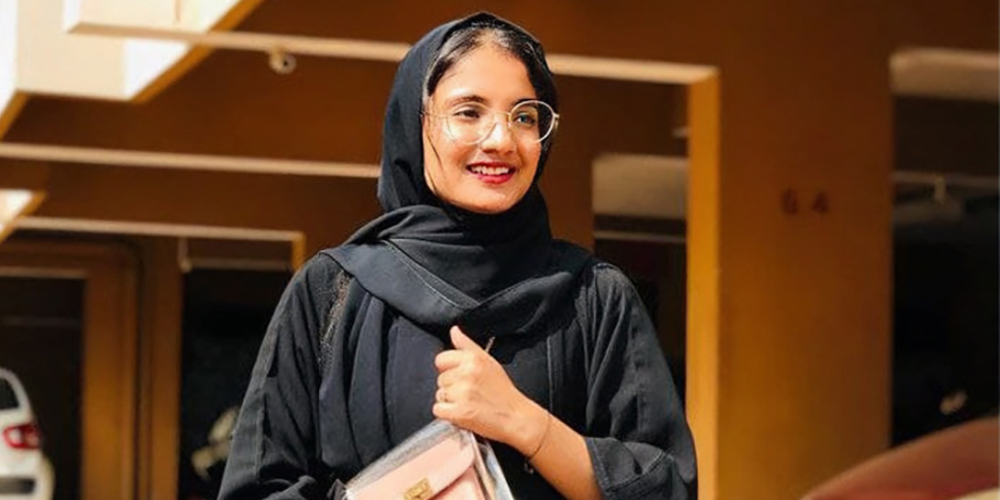
IN PICS: AYSHA | CONTRIBUTED BY: ANONYMOUS STRANGER (TELEGRAM)
FOR BEST EXPERIENCE, READ ON A COMPUTER OR LAPTOP
Some of my stories are loosely based on real-life incidents, but details are fictionalized. My stories involve unsafe sexual acts. I do not condone unprotected sex and recommend readers to always practice safe sex. The risk is not worth it. These are fantasies and meant for entertainment only. My stories are my hobby — an expression of my erotic side. I mean no disrespect to women featured in my stories. If you know the woman in the story, please write to me and the pictures will be taken down — no questions asked.
Happy reading!
The Volunteer

The Kingdom of Sulha was a democracy and that was about the only thing that stood for citizen equality and voice. Women had no vote and none of the seventeen registered political parties seemed to care about the grave gender inequalities — Basit Qadir did.
He was considered by many as a radical rebel, who had been vocal about gender equality and women’s rights since he was nineteen years old, on street corners, in tea houses, in the backs of borrowed cars, and now at twenty-eight he was discussing it in a converted shopfront on Miraan Road with a group of young men who believed, really believed, that the country and its archaic practices needed change.
Basit was talking about women’s suffrage and he was lit up the way he always was when he talked about it — hands moving, voice unhurried but carrying, the intensity of someone who has repeated an argument so many times it has stopped being an argument and become a certainty.
The men he was addressing were nodding, and then the door opened and a young woman walked in.
The presence of a woman in a political group was uncommon and the group automatically fell silent — not because she was unwelcome, but because her presence was unexpected. She didn’t wait to be acknowledged as she joined the men and addressed Basit.

“Your female vote bank strategy is wrong,” she said, setting her bag on the nearest chair. “You’re not thinking about it the right way.”
Basit stopped talking.
She was in her mid-twenties, and the first thing he noticed was her face — round and unguarded, the kind of face that made people underestimate its owner on sight.
Large dark eyes that moved across the whiteboard with an attention that made him feel, briefly, that he was the student and she was deciding whether his work was worth her time.
Baby-faced was the word, except that baby-faced didn’t account for the precision in those eyes, the way they catalogued and dismissed and retained with the speed of someone who had been doing this — assessing rooms, reading people — for a very long time.

She was small. Petite in the way that made the conservative clothes she wore — high collar, full sleeves, hijab framing her face — seem slightly at odds with the authority she moved with. The kurta was fitted enough at the waist to suggest a figure the fabric was otherwise committed to concealing. He noticed this without consciously noticing it, his attention on what she was saying.
She became indispensable within a week.
It happened the way these things happen — not through any single decision but through a series of mornings where she was simply already there when he arrived, her coat on the back of the chair, her handwriting on the board, a cup of tea made for herself and one for him cooling on the edge of the desk.
She had opinions about everything and expressed them without preamble or apology. She wasn’t obstinate. She was observant, quick to respond to good ideas, and right often enough that her course corrections seldom felt like mistakes corrected but slight adjustments to a well thought-out strategy.

Within three weeks the strategy sessions ran long past when the others went home, and it was just the two of them at the whiteboard with the buzzing overhead light. She would hand him the marker when she wanted him to draw something out. Their fingers touched when she did, briefly, and she would look at him with something that was not quite a smile and not quite an invitation but was both, and he found himself taking longer than necessary to uncap the marker, his eyes lingering on her dimpled smile.
The sessions ran late enough that she sometimes worked through the heat of the evening by loosening her hijab slightly at the throat. He felt drawn to her and started noticing things about her that he had no business noticing — the fine line of her collarbone where the fabric shifted, a hint of a bra strap, the small gold stud in her ear, the dimples, the way she tucked one foot beneath her when she sat thinking, her delicate silver anklets or payals as they were commonly called. He caught himself noticing her as much as her ideas and struggling to decide which drew him more to her.

One evening a party veteran came by unannounced. An older man with seventeen years in the legislature and the confidence of someone who had never been seriously challenged. He settled into a chair with the ease of a man accustomed to rooms rearranging themselves around him, listened to Basit lay out the suffrage reform strategy for ten minutes, and then began — carefully, methodically, and without raising his voice — to dismantle every argument on the board. He’d heard it before. He’d heard versions of it for thirty years. The language changed, the young men with their markers changed, the country never did. He spoke the way men speak when they know they are right and have always been right and have the years to prove it.
The room went quiet.
Basit looked at the board. He looked at the veteran. He said: “Sir, I think we may be underestimating things. May I elaborate and tell you why we believe this will work?” He glanced at Aysha, who was the plan’s mastermind. She smiled. His eyes returned to the veteran and waited for the go-ahead before speaking again.
He didn’t raise his voice. He took the argument apart piece by piece, working through each objection in sequence, unhurried, certain, not aggressive but absolutely immovable, and when he finished there was a silence that felt different from the silence before — heavier, directional. The veteran had nothing to add. He nodded once, stood, patted Basit’s shoulder and made his exit.
Aysha took the whiteboard marker and eraser from Basit.
Their fingers touched and she held the contact a beat longer than usual. He looked at her and found something on her face he hadn’t seen before — not admiration exactly, something more concentrated than that. A heat.
As if she had just watched something she had been waiting to see confirmed, something she had suspected was there and now knew for certain. Her lips were slightly parted. The energy of the argument had shifted her hijab at the collar, the fabric loose enough now to show the upper curve of her chest — the soft shadow of cleavage above the kurta’s neckline, and a light tan bra strap.
He looked. He couldn’t not look, his eyes followed the edge of the bra to the valley between her breasts before he realized she was looking at him and his eyes met hers.
She held his gaze for one beat, two — just long enough to confirm that she had seen him see her — and then she turned back to the board. He exhaled. She didn’t bother to adjust the hijab.
He turned to the whiteboard, kept his distance and said nothing. She just stood by the whiteboard, her back turned to him, saying nothing. He watched her wipe the board and write “Mission Accomplished” before she turned to face him with the smile that he realized was going to be his undoing.

Three evenings later she borrowed his phone to make a call when hers died. She finished her call and handed it back just as he was about to leave. He pocketed it without checking, and headed out the door.
He was two blocks away when he realised she’d given him her phone, not his. He went back.
The outer office was dark. The inner door was ajar, a thin line of light beneath it. He pushed it open.
She had her back to him.
Her hijab was draped over the chair back. Her kurta was beside it. She was standing in the narrow space between the desk and the wall in nothing above the waist, her long, flowing dark hair was loose and falling to the middle of her back. The full length of her spine visible in the dim light.

She was lifting up her shalwar pants, her shapely legs disappearing into the legs of the pants as she lifted it. The white cotton of her panties sat low on her hips, fitted close enough that the shape of her butt was unmistakable — the curve of her waist flaring to the round of her hips, the fabric pulling across her backside and disappearing into her ass crack.
Then her rear was covered and she started working the tie of her shalwar pants, her fingers moving at her waist with the unhurried efficiency of someone alone.
Once the shalwar was tied, she bent sideways to retrieve her bra from the desk.
In that movement — the bend, the shift of her weight, the turn of her torso — he saw the full side curve of her breast. Heavy and soft, the dark of her nipple for one unguarded second before she straightened.
She started humming a soft tune as she looped the bra straps over her shoulders and reached both arms behind her for the hook, her shoulder blades drawing together with the effort, the long line of her bare back contracting.
Her hair shifted and he saw the knobs of her spine, the dimples above the waistband of her shalwar, the creamy brown of her skin in the thin light. He couldn’t help the erection and he couldn’t tear his eyes away.
She hooked the bra. She reached for her kurta.
He stepped back silently into the outer office, found the door handle, and opened it loudly — the noise of someone arriving, keys, the scrape of the latch, footsteps.
“Hello?” he called, as if he had only just come in.
A pause from the inner room. “In here.” Her voice entirely ordinary. “One moment please.”
He waited. She emerged thirty seconds later, kurta on, hijab pinned, composed in every detail — the woman who had been at the whiteboard all evening, nothing out of place. She held out his phone.
“You left yours,” she said.
“I know.” He took it. Their fingers touched.
She looked at him with her clear, direct expression and he looked back at her and there was a moment — brief, dense, both of them inside it — in which everything that had just happened existed in the space between them without either of them naming it.
“Goodnight, Basit,” she said.
She left. He stood in the dark office for a long time before he followed.

He told himself it didn’t change anything. He also knew he was lying.
She came the next morning with her coat on the back of the chair and her handwriting on the board and two cups of tea, and she looked at him with the same focused attention she always had, and nothing in her manner suggested that the previous evening had occurred. He matched her register exactly.
He was professional and precise on the outside. But he was distracted and barely registered any of the discussions that day. He was hyperaware of her every movement in the room, the heat of her body, the faint aroma of her ittar — a perfume oil that seemed to be her fragrance — the constant discomfort in his pants.

By evening he had aching balls and had to relieve himself to the memory of her semi-naked form dressing up in the empty office.
Two weeks passed. The sessions ran late. The others went home. The ache remained, needing release every night.
One Thursday evening she came in just as he was about to leave. Everyone else had left. She apologized for missing the day’s meetings and said she couldn’t get away from a family gathering across town.
She was still in her outdoor clothes — full kurta, hijab, the slight dishevelment of someone who has been moving through the city in the heat.
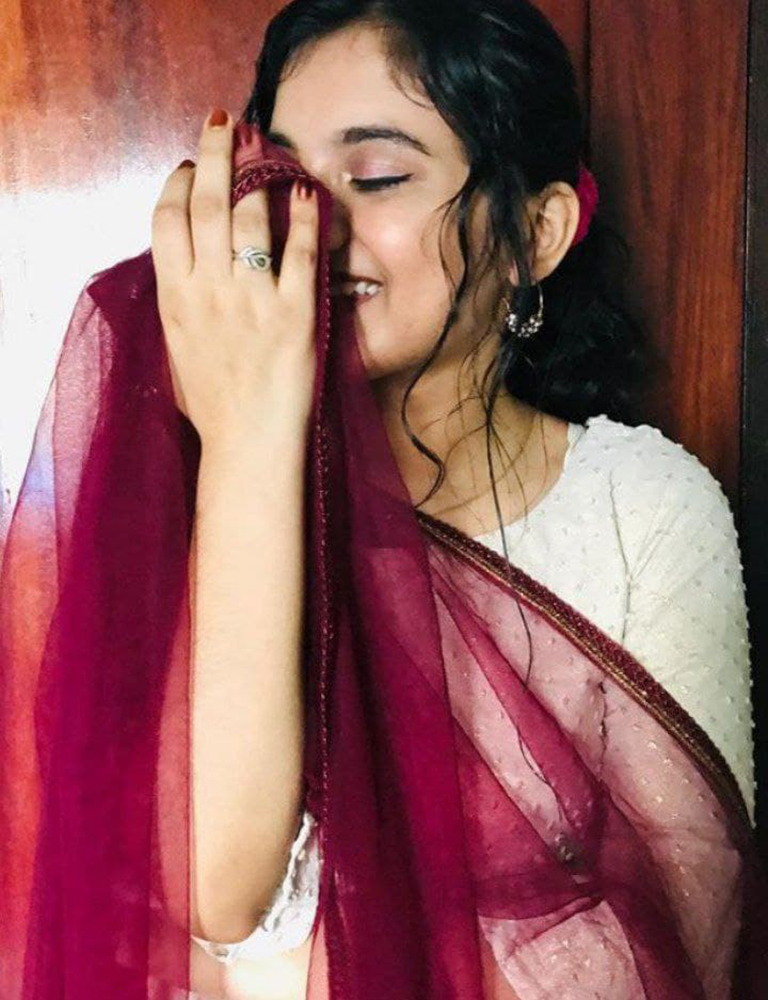
She said good night to him, dropped her bag and ran to the bathroom at the back of the office.
He heard the toilet seat, then the rustle of clothes, imagined her pulling her shalwar pants and panties down. He heard a faint trickle, then silence. Then the rustle of clothes again, the flush and finally the tap run.
She emerged a minute later with her face washed, her hijab unpinned and hanging loose around her neck, and her kurta — the hem between her teeth as she tied the drawstring of her shalwar, her midriff bare and visible, the flat of her stomach and the indent of her navel exposed as her hands worked the lace into a bow.
Her head was lowered as she looked at the drawstring. She had taken two steps into the room before she looked up and registered that he was there.
She stopped.
The kurta hem dropped from her teeth. Her hands let go of the lace. The pants slid down her legs and collected at her ankles.

She looked at him across the office with an expression that was — for one unguarded second, the only unguarded second she had ever shown him — something other than composed. A blush? He wasn’t sure.
“You’re still here,” she said, making no attempt to pick up her pants.
“So are you,” he said.
“Basit,” she said in a voice that was half-whisper and half desperation.
He crossed the room.
She stood where she was and let him come.

When he reached her he put his hand against her jaw, her face tilting up to his — the baby face, the large dark eyes, the mouth he had been not-looking at for three weeks — and kissed her.
She kissed him back, her hands finding his collar, and there was nothing uncertain about it. Nothing that suggested surprise.
She kissed him the way you kiss someone when you have been waiting and have decided that the waiting is finished. Their tongues engaged in a battle of supremacy with neither yielding.
He pulled back just enough to look at her, both of them panting. His hand was at her waist, her bare skin warm under his palm where the kurta hem hadn’t settled.

“Aysha—”
“Don’t explain it,” she said. “Just don’t stop.”
He didn’t stop.
She stepped out of her shalwar pants as he walked her back against the desk. Her hands were at his shirt buttons, his mouth was at her throat, his hands moved up the inside of her thighs and settled on the soft damp cotton of her panties.
He kissed her again, deeper this time, one hand in her hair, the other rubbing her over her panties.
She opened to the kiss completely — her mouth hungry, her tongue meeting his without hesitation, twisting against his, neither of them yielding. She moaned in his mouth. Another step back and her thighs found the desk. She gripped his collar and pulled him closer rather than away.
He reached for the hem of her kurta. She lifted her arms and let him pull it over her head.

She was in a skin-colored bra that was doing very little to contain what was beneath it — her breasts full and heavy, straining against the thin fabric, her nipples already visible through it, dark and stiffening. He looked at her and she looked back at him and the office was very quiet except for the fluorescent buzzing and their breathing.
He bent to her throat, her collarbone, the upper curve of her breasts above the bra’s edge.
He kissed along the lace, dragging his mouth slowly across the swell of each breast, his tongue tracing the border where fabric met skin. She inhaled sharply. Her hands went to the back of his head and held him there.
He reached behind her for the hook, got it on the second attempt, the tension released, the straps slid down her arms and the bra dropped to the floor.
He pulled back to look at her.
Her breasts were full and round, the nipples hard and dark, and she stood in the thin light of the office, leaning against the desk. He cupped both breasts in his hands, feeling their weight and softness, his thumbs brushing across her nipples, and her breath caught.

He took her left nipple into his mouth and sucked — slowly at first, then harder — his tongue circling the stiff peak while his fingers found her right nipple and rolled it, pinched it, pulled it gently until she made the sound she’d been containing and stopped containing it.
Her head dropped back. Her grip on his hair tightened to the point of pain and he didn’t stop.
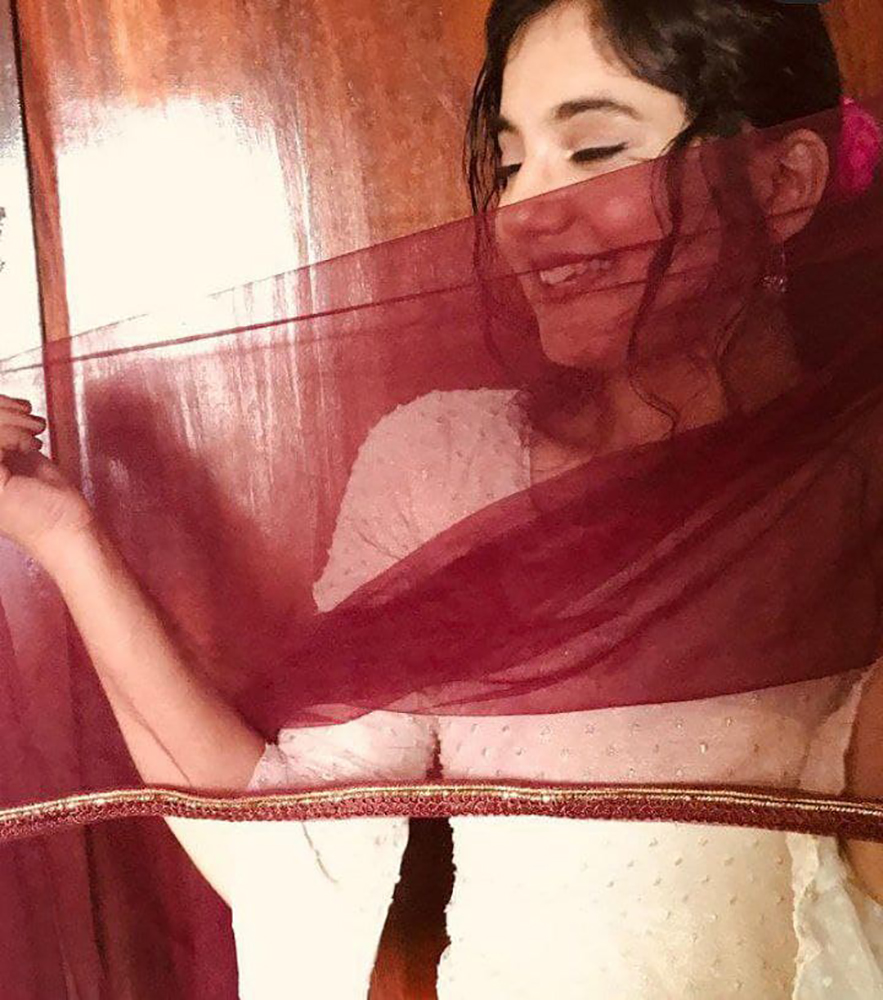
He moved between them — mouth to one nipple, fingers to the other, then switching, reading her responses, learning what made her hips shift and what made her gasp and what made her say his name under her breath like something she hadn’t meant to say out loud.
He kissed down her sternum, her stomach, circled her navel with his tongue and felt her stomach contract sharply under his mouth.
He kissed lower, dragging his lips along the waistband of her panties — left to right, right to left — while his hands held her hips still and she trembled against them.
He hooked his fingers into the waistband and drew her panties down her legs and off.
He lifted her onto the desk, pushed her thighs apart and looked at her pussy — bare and glistening, swollen and open.
He leaned in and put his mouth on her pussy.

She was wet. The taste of her hit him before he’d fully registered the sound she made — sharp and immediate, the most unguarded thing he’d heard from her.
He used his tongue on her clit in slow circles first, then faster, then with the direct flat pressure that made her hips buck against his face.
He brought two fingers to her entrance and pushed inside her, curling upward, and the sound she made then had no pretense of control in it at all.
He worked her with his mouth on her clit and his fingers moving inside her, reading every signal — the clench of her thighs, the rhythm of her hips grinding against his face, the escalating sounds she was no longer trying to manage. He felt her pussy tightening around his fingers and didn’t pull back. He stayed exactly where he was, his tongue working her clit without mercy, his fingers pressing the spot inside her that made her thighs lock around his head, and took her over the edge.

She came with her hand pressed hard over her own mouth, her thighs clamped around his shoulders, her pussy gripping his fingers in rhythmic pulses while her whole body shook. He worked her through every wave, not stopping until she pushed his head away with a sharp exhale and lay back against the desk.
He straightened. He looked at her — her thighs still parted, her pussy flushed and wet, her breasts rising and falling with her breathing, her hair loose everywhere — and felt desire so complete it was almost structural.
She sat up. She slid off the desk and sank to her knees in front of him.

She unbuckled his belt, unzipped his pants and pulled them down with his underwear. His cock sprang free — fully hard, straining toward her.
She stepped back and looked at it with pure admiration in her eyes.
Then she reached out and wrapped her hand around the shaft. She looked up at him from beneath her lashes with the appraising, deliberate expression he was beginning to recognize: a woman choosing, not being asked.

She ran her tongue slowly up the underside of his cock from base to tip. He exhaled through his teeth. She did it again, then swirled her tongue around the head, then took him into her mouth — deep, deliberate, the heat of her throat closing around him — while her hand worked the base of his shaft in a slow firm grip. Her other hand cupped his balls, rolling them gently, her fingers exploring with a thoroughness that made his free hand find the desk behind him.
She worked him with her mouth and hands together, varying depth and pressure and rhythm, reading his body the way she read everything — precisely, without sentiment — and deploying what she learned without mercy. She took him deep until he felt the back of her throat and swallowed around him and he made a sound he didn’t mean to make and his hips drove forward involuntarily.
She held him there for a moment, then pulled back slowly, her tongue dragging along the underside of his cock the whole way.
“Aysha,” he groaned, “stop, please — not like this.”
She stopped and he drew her to her feet.
She understood immediately. She turned and planted her hands flat on the desk — her back to him, her hair falling forward, the curve of her ass exactly as he had seen it through the inner door three weeks ago, except now there was nothing between them and no pretense of accident.

He stepped behind her. She shifted her feet apart. He gripped her hip with one hand and guided his cock to her entrance with the other and pushed inside her in one slow, deliberate stroke.
The sound she made filled the room.
He held there — fully inside her, her pussy tight and hot around his cock, his hands on her hips — and let himself feel it. She pushed back against him with her hips. The message was clear.
He moved.
He set a rhythm and she met every stroke, her ass driving back against him, the impact of each thrust audible in the quiet office. He pressed deeper and she dropped her head between her arms and groaned in a voice he had never heard from her — raw, open, urgent.

“Harder, Basit” she said.
He gave her harder. The desk shifted against the floor. Her knuckles were white against the wood.
“Don’t stop — Basit — don’t stop.”
He reached around her hip and found her clit with his fingers, working it in tight circles while he fucked her, and the sounds she made climbed past anything she had permitted herself before — open, unedited, filling the empty office while outside the city went about its evening and none of it existed except the heat of her pussy around his cock and her clit hard under his fingers and her ass meeting every thrust.
He felt her tighten — the gripping clench of her pussy around him — and held his own orgasm at the edge by will alone, jaw locked, rhythm relentless, until she broke.

She came with a cry she made no effort to muffle, her pussy convulsing around him, her whole body shuddering, her hands scrabbling at the desk. He drove into her through every contraction and then followed her — finishing inside her in long, deep pulses, his hands gripping her hips hard enough to leave marks.
They stayed as they were. Her breathing. His. The quiet of the city outside.
She straightened first. He stepped back. She turned and they looked at each other in the small space of the office and there was no version of this that fit into any category he had been using.

She reached for her bra. She dressed with the same unhurried efficiency as always — bra, kurta, hijab — and when she was done she looked exactly as she had looked every evening for three weeks. As if nothing had happened. As if she had simply been waiting for this and now it had happened and she could file it and move forward.
She lay back across the desk with her cheek on her folded arms and looked at him sideways in the thin light.
“What is this?” he said.
She turned her head. “What do you want it to be?”
He thought about the work and the whiteboard and the way she said your and the way she’d looked at him after the veteran left, and the night he came back for his phone, and the way she looked at him now.
“Everything,” he said. He hadn’t meant to say it. He meant it.
She studied him for a moment. Then she reached over and touched his jaw, briefly, and said: “Then everything it will be.”

Their affair stayed private for two months. In the campaign office after hours, after everyone else had left, they fucked for hours with the door locked, the blinds drawn. Aysha in those hours was so entirely different from the sharp strategist of the meetings that Basit sometimes felt he was holding two separate women — the one who rewrote his diagrams and the one who came to him in the dark with a softness and a willingness to submit to his every fantasy.
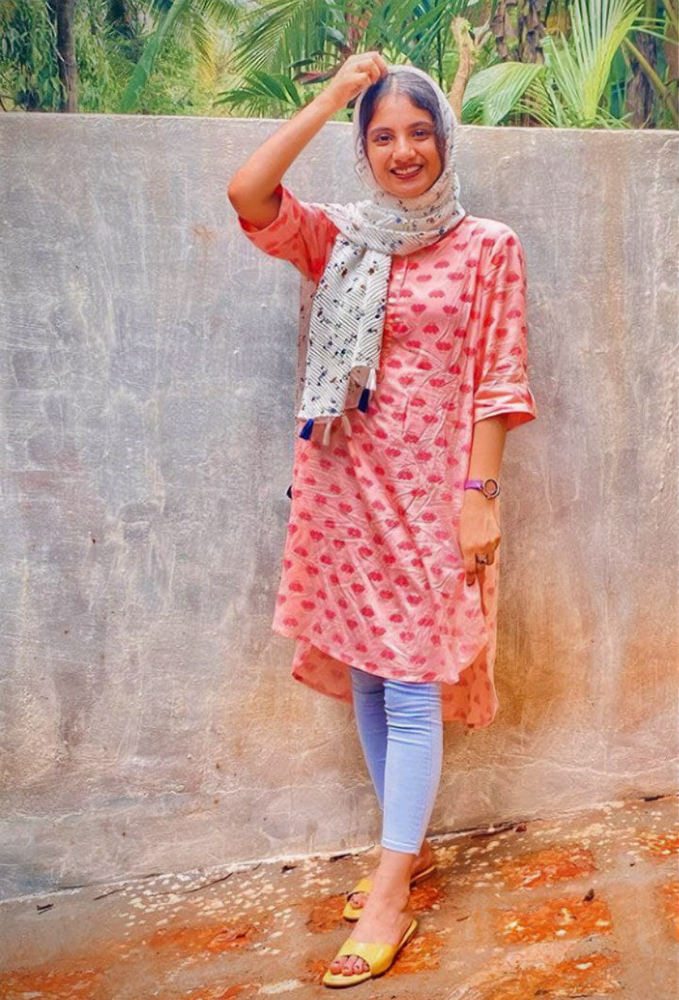
She was attentive in a way that undid him. Every signal he gave, she answered. Every move he made, she followed and amplified. She would pull him down to her and hold his face in her hands and study him in the near-dark with an intensity that felt devotional — as though she were looking at something precious she had gone to considerable effort to find. She would draw her fingers along his jaw and tell him what she saw: the drive, the hunger, the absolute refusal to accept that the country couldn’t be moved.
She was extraordinary. That was the only word he had access to.
One night in November, three months in, she lay against his chest in the dark and said: “When this works — and it will work — they’ll say you were inevitable. I want to watch them say it.”
“We,” he said.
She was quiet a moment. “We,” she agreed, and kissed his shoulder.
He proposed in December. She accepted as if she had been expecting it.
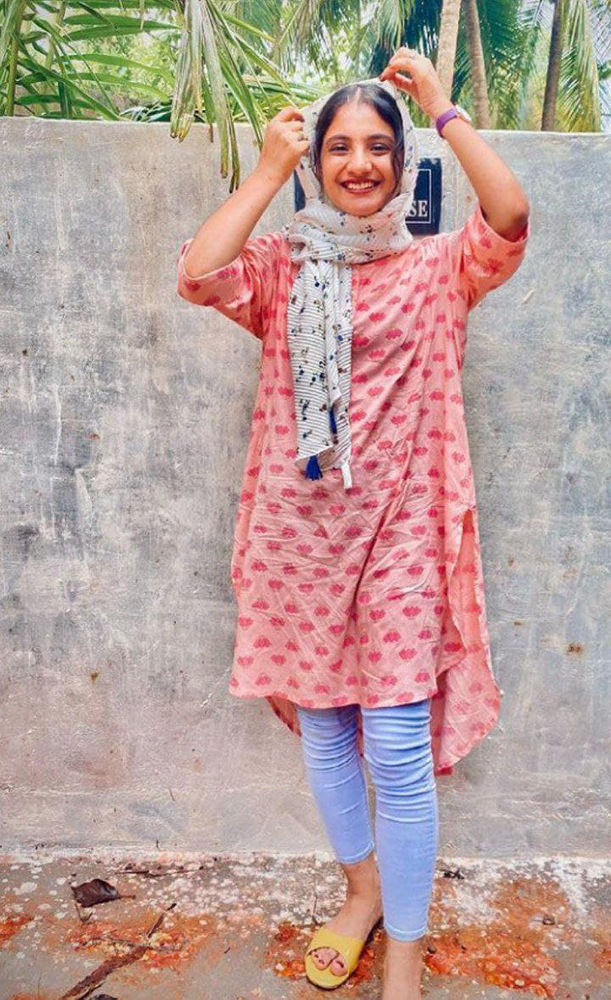
The wedding was a traditional Nikah — practical, private and intimate with only the immediate families and closest friends present. Witnesses, paperwork, a borrowed hall with flowers that Aysha’s aunt had arranged. Aysha in white, her hair pinned back under the formal covering. Her hands steady when she signed the marriage certificate in court. Basit looked at her across the table and thought he was the luckiest man in the Kingdom of Sulha.
She looked at him with an expression he had never seen on her before and would not be able to describe afterward — not warm exactly, not calculating exactly, something with both in it, a kind of long-held satisfaction — and then the witnesses applauded and the moment passed.
He kept waiting, in the weeks afterward, to feel that he had closed a door on something. The restlessness that had always lived in him, the going-forward impulse that had never been entirely comfortable with arrival. He waited for it to chafe.
It didn’t. He had the work, and he had Aysha, and the two things felt, for the first time in his life, like the same direction.
He called her his lucky charm for the first time at a campaign dinner two weeks after the wedding. He said it offhand, to a table of donors, and felt her fingers tighten briefly on his arm. When he looked at her she was smiling at the table in general and he thought it was pleasure and it may have been, in its way, exactly that.
The Rise
They went abroad for the honeymoon. A coastal villa three hours south of the Kingdom’s border, which in practice meant a different world — a different and more open culture, salt in the air, no one who knew either of them, no whiteboard, no phone calls about bloc strategy or international leverage. Basit had taken two weeks. Aysha had said: take two weeks and mean them.

He was not good at this. He understood it about himself on the first morning when he woke at six with his mind already moving through the regional outreach plan and had to make a conscious effort to put it down, the way you put down a tool you’ve been carrying so long your hand has forgotten it’s there. He lay in the unfamiliar light of the villa bedroom and looked at the ceiling and breathed.
Aysha was still asleep beside him, or appeared to be. She slept on her side, one arm folded under the pillow, face smoothed of its usual alertness. She looked younger. He looked at the curve of her spine for a while and felt the animal comfort of proximity to a person you completely belong to. He was not used to feeling simple things. He let himself feel it.
The first day they walked the coast. She had brought a hat she wore low, and they were unremarkable among the other couples on the path — nothing about them that announced who they were or what they were returning to. She talked less than usual. He matched her rhythm without thinking about it, and the quiet between them was the comfortable kind, the kind that doesn’t require filling.
That evening they sat on the villa terrace and watched the sun go into the water. Basit had a glass of something cold and let himself be genuinely idle.
Aysha sat with her feet up on the terrace railing and watched the water with the same focused attention she gave to everything — as though it were a problem she was considering from several angles.
He fell asleep in the chair. She woke him when it got dark, touching his shoulder, and he followed her inside in a fog of heat and sea air and ease.
That night, she did not wait for him.
He had barely turned from closing the bedroom shutters when she crossed the room and took his face in both hands and kissed him — not the way she kissed him in the office, not yielding, not following.

She didn’t wait for his tongue. She snaked her tongue in his mouth and found his.
He went still. She pulled back just enough to look at him.
“I’ve been patient,” she said, “for a long time.”
He didn’t know what she meant. He found he didn’t care.
She stripped him efficiently — jacket, shirt, belt, pants, underwear. She ran both palms down his chest and stomach and looked at what she’d uncovered with the same appraising attention she gave to everything.
“Lie down,” she said.
He lay down. She undressed herself at the foot of the bed — methodically, no performance, each layer gone until she was completely naked, her hair loose around her shoulders, looking at his growing erection with naked hunger.
He reached for her. She shook her head.
“Not yet.”

She climbed onto the bed and straddled his chest, her knees either side of him, her pussy inches from his face. She looked down at him.
“You know what I want,” she said.
He gripped her thighs and pulled her down onto his mouth.
She was already wet, her clit swollen and slick against his tongue. She exhaled hard at the first contact and rolled her hips forward, grinding her pussy against his face without apology, setting her own rhythm. He worked his tongue in tight circles on her clit and she pressed down harder.
“There,” she said. “Don’t move from there.”
He didn’t move.
He kept his tongue on her clit and pushed two fingers inside her. She was tight and hot and clenched around them immediately.
“Deeper,” she said.
He gave her deeper, curling his fingers while his tongue held its pressure, and the sound she made was completely animal.

She rode his face. That was the only accurate description — her hips grinding, her thighs locked around his head, her hands gripping the headboard above him while she used his mouth exactly as she needed it. He kept his tongue where she’d told him to keep it and let her take what she wanted.
She came hard — her thighs clamping around his head, her pussy convulsing against his mouth, a long cry she made no attempt to muffle, her hips grinding through every pulse of it.
She didn’t move off him.
“Again,” she said.

He kept going.
She was sensitive, so he lightened his tongue — slower circles, his fingers still moving inside her, rebuilding her carefully. She was more vocal this time, directing him without hesitation.
“Slower. There — harder — don’t you dare stop.”
He didn’t stop. His jaw and his balls ached, but he didn’t stop.
She came the second time, longer and louder than the first, her pussy flooding against his mouth, her whole body shaking, her cry filling the villa bedroom while the sea moved outside the window.
Finally, she lifted off him and looked down at his face — flushed, wet with her. She moved down his body, took his cock in her hand and stroked it once, feeling its full length, watching his face while she did it.

Then she positioned the head of his cock at her entrance and sank down onto him.
He groaned from somewhere deep.
She sat fully seated, his cock buried inside her, and held still for a moment with her hands on his chest. Assessing.
He gripped her hips and tried to move and she pressed him flat.
“I’m not done with you,” she said.
She rolled her hips.

She fucked him at her own pace — deep grinding strokes, her ass rising and falling, taking his cock exactly as deep as she wanted it. He filled his hands with her breasts and she arched into it without breaking rhythm. He thumbed her nipples and she said yes in a tone that was more instruction than approval and ground down harder.
She kept her eyes open. She watched his face the whole time — what made his hands grip harder, what made him say her name, what pushed him toward the edge — and when she found the angle that made him groan she locked onto it and stayed there, rolling her hips in that specific motion, methodical and relentless.
“Aysha—” His voice was gone. “I’m going to—”
“I know,” she said. She didn’t change a thing.

He came with his hands bruising her hips, her name wrecked in his throat, his cock pulsing inside her while she rode him through every contraction without slowing. She felt him finish and only then went still — sitting fully on him, her hands on his chest, looking down at him with an expression that was, for one unguarded moment, purely triumphant.
They lay tangled together afterward, her head on his chest, his hand in her hair.
“My lucky charm,” he said. He’d thought he knew her. He was beginning to understand that he didn’t, and that this was not a problem but a promise.
She was quiet for a moment. “Get some sleep. You have a country to change.”

The two weeks settled into a pattern. Mornings were slow — coffee on the terrace, the coast walk if the weather allowed, the comfortable silence of people who have stopped performing ease and started feeling it. Afternoons she read or swam while he allowed himself, against his instincts, to do very little.

Evenings they ate outside when they could, and talked — not about strategy or the campaign, but the other things, the things that don’t come out in offices. Her childhood in a family that had expected her to want the things she didn’t want. His first political argument, at fourteen, with a schoolteacher who had told him the country was the country and would always be the country. The futures they’d each privately constructed before they’d found each other.
She was guarded about certain things. When he asked her what she’d wanted, before — before the movement, before him — she said: “To be in the room where it happens. Every room. I knew from very young that access was the only thing that actually mattered.” She said it simply, without apology. “I spent a long time being angry that the access wasn’t given to me. Then I stopped waiting for it and decided to take it — at any cost.”
He thought she meant the suffrage movement. He thought she was telling him about her own political awakening. He nodded and said: “That’s exactly it. That’s the whole argument. You can’t just wait. You have to make things happen.”
She looked at him with an expression he would only understand later. “Yes,” she said. “That’s the whole argument.”

At night she was fully herself — the self he had discovered on the first night of their honeymoon — and he gave himself over to it each time with less resistance and more appetite. She had a talent for variation that in those two weeks expressed itself completely: the first night’s deliberate command, a second night where she lay beneath him and let him do exactly as he wished while she watched him with that focused attention that was its own kind of power, a third where they were on the terrace in the dark with the sea below and neither of them thinking about the country at all.
She brought the same precision to all of it — reading him, deploying what she found, giving him pleasure with the efficiency of someone who finds the task genuinely engaging, but only after he had sated her.
He learned things about himself in that villa. He learned that he liked relinquishing control to someone who knew what they were doing with it, that her focused competence directed at him was a kind of desire he had never felt before — to be the object of that attention, to know that nothing he did went unregistered, to feel the full weight of her consideration aimed solely at him. She made him feel significant in a way the work made him feel significant: chosen, necessary, the right instrument for the task.
He did not ask himself what the task was.
On their last night at the villa, lying in the dark with her head on his chest, he said: “When this is over — after the election — I want to come back here.”
She was quiet.
“I mean it this time,” he said. “Two real weeks.”
“We’ll see,” she said.
He kissed her hair and took it as a yes.
They returned to the Kingdom on a Tuesday.
By the following Thursday, the political world had rearranged itself without them.
Farid Khalil — senior party elder, seventeen years in the legislature, the loudest and most persistent voice in the Kingdom against Basit’s suffrage reforms, the man who had called the movement a foreign disease in three separate television appearances and a dangerous fantasy in a fourth — was finished. Not outmanoeuvred in an argument. Not challenged at the ballot. Finished, in a way that finishes people permanently.
Basit heard about it from Hassan’s aide, who called before breakfast. A video had been circulating since the previous evening. By morning it had reached every phone in the political class and a significant fraction of everyone else.

He turned on the kitchen television. The morning news anchor was using words like deeply compromising and character questions and the camera cut repeatedly to a frozen frame from what was clearly a bedroom recording — the network had imposed censorship across most of it, but the architecture of the situation was unmistakable. An older man, unmistakably Farid. A younger woman. The woman, demonstrably, in charge of everything happening on screen.
Aysha came in from the bedroom, still in her robe, and poured coffee.
“Farid,” Basit said.
She looked at the screen stirring sugar and milk into her coffee. “He shouldn’t have challenged you. Had it coming.”
By afternoon, the full footage had arrived on Basit’s phone — forwarded from a party contact, origin upstream and unclear, the way these things always arrived. That evening, after dinner, he and Aysha sat together at the kitchen table with his laptop open between them and watched it.

The recording was clear and explicit and left nothing to interpretation. Farid was visible and identifiable throughout. The woman was masked — a simple scarf covering her face from nose down, her eyes visible, her age unmistakable: early- to mid-twenties, her body’s confidence and her bearing both placing her squarely in that range.
She was the initiator of everything that happened on screen. She directed the encounter from the first frame — positioned Farid where she wanted him, set the terms of what happened and in what order, moved through it with the brisk competence of someone executing a plan.
Farid, seventeen years in the legislature, the moral voice of the old guard, was eager and entirely led, following her direction with the helpless enthusiasm of a man who has been offered something he cannot believe his luck and is not going to waste time questioning it.
In the background of the opening minute, on the surface of the dresser, the camera was visible. Not hidden. Placed there deliberately, angled with care. A fact, sitting in plain sight, that neither of them had apparently found reason to address. She seemed to ask him a question as she adjusted the camera, then a thumbs up from him as he looked straight into the camera lens.
Basit watched it with a discomfort he did not name. He closed the laptop.
“The camera,” he said. “Someone set that up deliberately.”
“Someone did, but he clearly wanted it filmed,” Aysha said stretching and yawning, aware of his eyes drifting from the laptop screen to the swell of her breasts. “The question now is whether Farid’s people respond or go quiet. My guess is quiet. He has a family. He’ll calculate that any response extends the story.”
“Who is she?”
Aysha considered the question. “Someone who knew what she was doing,” she said, turned and kissed him, untying her nightie. “Maybe a lucky charm.”
Basit nodded. He looked at the closed laptop and then at Aysha’s naked breasts. He lay back and she climbed on top.

Within a week Hassan had publicly and formally endorsed Basit’s candidacy. The endorsement came with resources and legitimacy and access to rooms that had been closed to him, and the path that had been genuinely difficult became, quite suddenly, manageable.
The momentum was real. The numbers moved. People who had been cautious began to declare. Basit started doing interviews at a different level — national coverage, not just regional — and his name began to appear in sentences with the word presidential in a way that had previously felt like flattery and now felt like reporting.
He called Aysha his lucky charm at a press dinner and meant it completely.
She smiled at him across the table and raised her glass.
The Mistake

The argument started over dinner, which was where the important arguments between couples always started — the table a stage, food going cold between them, nowhere to be that wasn’t here.
Basit had come home late from a regional meeting in the south, still carrying the energy of it. The room had been packed past capacity, standing along the walls, the questions sharp and informed, the response better than anything they’d seen outside the capital in two years of organising. He was describing it as he came through the door, coat still on, the story requiring telling before anything else happened — the moment a woman in the third row had stood up, unasked, and spoken about what the vote would mean to her daughter. The room had gone quiet and then the applause came.
Aysha was at the table with her reading. She listened to him finish. She set the reading down.
“The party wants you to consider a presidential run,” she said. “Seriously. There are people ready to back it.”
“I know,” Basit said. “I told them no.”
She was still for a moment. “You told them no?”
“Before the trip. I didn’t think it needed discussion — it’s not a real option.”
“Why isn’t it a real option?”
He sat down and reached for the food, which had been kept warm and was now at the temperature that food reaches when it has been waiting too long. “Because I’m a grassroots organiser. That’s the work. The work isn’t done from a palace — it’s done in rooms like the one I was just in, like the one you and I first met in. Legislation follows movement. Movement doesn’t follow legislation.”
“Sometimes it does,” Aysha said. “When the legislation is written by someone who built the movement.” Her voice was level, but there was something under it — a pressure, a tightening. “The presidency isn’t a palace. It’s the room where the laws get written.”
“We’ve had this conversation.”
“We haven’t. You had it with yourself and reported the result to me.” She folded her hands on the table. “I’m saying there are people ready to put real resources behind a presidential campaign. I’m saying you would win. I’m saying it’s the next logical step. I want you to run.”
“I said no, Aysha.”
Something happened to her face. Brief and total, like a light switching off — a flatness behind the eyes, a quality of absolute zero that was gone before he had fully registered it. Then her expression returned to something navigable: controlled, slightly tight, the face of a person conducting an argument rather than feeling one.
“All right,” she said, picking up her book.
“Don’t do that.”
“Do what?”
“Go quiet like that. If you’re angry, be angry.”
She looked at him evenly. “I’m not angry. I disagree with your reasoning. That’s different.”
“You think I’m wrong.”
“I think you’re choosing comfort over effectiveness.” She picked up her reading again. “I think you like being the man of the people because it’s a role that doesn’t require you to become something harder. I think the presidency scares you.” She turned a page. “But you’ve said no, so.”
He stood up. He was not going to have this conversation with someone reading a magazine at him. He picked up his plate and headed towards the kitchen.
“Just remember that every decision has consequences.”
He shook his head. She wouldn’t understand. He had suddenly lost his appetite. He set the plate on the counter next to the sink and went to his study.
He was still in his study at eleven that night when she appeared in the doorway.
She had a sheer robe on and nothing else. Her hair was down and she looked different from the woman at the dinner table — softer at the edges, less composed, the precision of her turned down to something closer to human. She had the look on her face he recognised from the early months in the campaign office: the one that meant she was determined.
“I owe you an apology,” she said.
He put down the brief he hadn’t been reading. “Come in.”
She came in and sat on the edge of the desk beside him, close, the way she sometimes sat when they were working late and the distinction between the professional and the private had blurred to nothing. She picked up his hand and turned it over in hers, her thumb moving across his palm in slow strokes.
“I pushed,” she said. “You said no and I pushed, and then I made it worse by implying you were afraid. That wasn’t fair.”
“It stung,” he said.
“I know.” She looked up at him. “I can’t help it. When I hear no my first response is to find a way around it — it’s a flaw, I know it’s a flaw, I’ve known it my whole life.” A small, wry breath. “I hate that word. I’ve always hated it. Hated it when dad said no to higher studies, when society and laws said no to equal rights. It feels like suppression and I don’t take being suppressed well.”
He looked at her in the lamplight. The familiar tightening in his chest — the pressing-forward feeling, the one that had started the first night she’d stood at his whiteboard — was there, the way it was always there when she was close to him.
“I never thought of it that way,” he said kissing the back of her palm. “I’ll think about it. The presidential question. I’m not saying yes. But I’ll stop saying no until I’ve thought it through properly.”
A small settling in her expression. Not triumphant — something quieter, a thing coming to rest. “That’s all I’m asking.”
“I hope you’re right.”
“You know I am.” She slid off the desk into his lap and put her arms around his neck, her forehead against his. She smelled of something warm, something that was just her, and he felt the last of the evening’s tension go out of him the way tension goes when you’ve been holding it so long you’d stopped knowing you were. “Come to bed,” she said. “We’ve wasted enough of the night.”
He went with her.
In the bedroom she turned to face him. He reached for the sash of her robe and undid it slowly, letting it fall open. He pushed the robe off her shoulders and let it drop.
He looked at her in the lamplight. Her breasts full and heavy, her nipples already stiffening in the cool air, the triangle of her shaved pussy, her thighs, the full length of her — and felt the argument feel irrelevant.
He stripped himself while she watched, pulling his shirt over his head, stepping out of his trousers and underwear. She sat on the edge of the bed and looked at his cock — already hard, already straining toward her.

She reached out and wrapped her hand around him.
He let her stroke him for a moment — her grip firm, her thumb dragging slowly across the head — and then he took her wrist gently and moved her hand away.
“Tonight is for you,” he said.
He kissed her slowly, deeply, one hand cupping her face, the other filling itself with her breast. She opened her mouth to his and their tongues met.
He kissed her the way the evening required — unhurried, thorough, an apology and its remedy in the same gesture. She made a sound against his mouth and her hand found his cock again. He let her stroke him while he kissed her and rolled her nipple between his fingers until she gasped into his mouth.
Laying her on her back, he kissed her throat, her collarbone, took her left nipple into his mouth and sucked slowly while his fingers worked the right one. He moved lower down her body till he reached her pussy.

He put his mouth on her pussy and worked her in slow circles first, his hands pressing her thighs open when they tried to close around him, keeping her exactly where he wanted her.
He brought two fingers to her entrance and pushed inside her, curling upward, and the sound she made had no control in it at all.
She came with her back arching off the bed, her thighs locking around his head, her pussy clenching around his fingers in long rhythmic pulses while his tongue worked her through every one. The sounds she made were unedited and real and filled the room.
He came back up her body and she reached for him immediately — her hands on his back, her legs parting, her hips tilting toward him.

He positioned himself at her entrance and pressed inside her slowly, feeling the last pulses of her orgasm still moving through her as he entered. She exhaled sharply at the first full stroke.
He moved with her in the unhurried rhythm of two people with nowhere else to be, looking at her beautiful face from above. Her legs wrapped around his hips, her hands on his back — and he stayed deep, grinding rather than thrusting, finding the angle that made her breath go short and holding it there. She watched his face throughout, as she always did, her eyes open and intent, and he watched hers.

He felt his own orgasm building and struggled to hold it back, keeping his rhythm steady, his focus entirely on her — the flush spreading across her chest, the escalating sounds, the way her nails found his back when he pressed deeper.
“There,” she said. “Don’t stop — right there—”
He stayed exactly there.
She came the second time around him — her pussy gripping his cock in hard rhythmic clenches, her hips driving up against him, a cry against his shoulder that was entirely unguarded

He followed her, finishing deep inside her with her name in his mouth and his face against her throat, his whole body releasing in long slow pulses while she held him close and her breathing gradually returned to something normal.
The quiet that settled after was the healed kind. Complete. Unhurried. The quiet of a room where something has been genuinely resolved.
He lay beside her. She curled against him.
“I’m sorry,” he said. “For walking out.”
“Don’t apologise, just think about it,” she said, resting her head on his shoulder. “Really think about it. What you could do from that chair.”
“Whatever my lucky charm wants, my lucky charm gets,” he said, pulling her closer.
“You asleep?” she asked after a while, drawing circles around one of his nipples.
“Fast asleep,” he said.
“I’m sorry,” she said quietly.
“For what?” He was already drifting. “I thought we were past the argument.”
Her finger stopped moving. She raised her head to look at him. “Not for that,” she said. “For what I am about to do.”
“What?”
Before he could react, she was off the bed and running naked towards his study. He couldn’t help laughing as he followed her. By the time he reached the door, she had his phone in her hand, a mischievous expression in her eyes.
“Done,” she said tossing the phone to him.
She had sent an email from his account to the party president, asking for a meeting to discuss the upcoming presidential elections.
The Fall
The interview ran long. It was past nine when the studio lights came down. Basit shook hands with the journalist and collected his jacket from the green room, still carrying the pleasant residue of having answered every question well. He’d been doing this for over a year now — the national coverage, the rooms that had been closed to him a lifetime ago — and there was still a small, private pleasure in it that he’d stopped apologising for. You didn’t build what he’d built by pretending you didn’t know you’d built it.
His campaign manager had called it his best interview of the cycle. Presidential, he’d said, which was the word everyone was using now without quotation marks around it. Seventy-three percent in the most recent national poll. Jameel Raza, his only real competition, had been at twenty-two percent three months ago and had been bleeding support steadily since — twelve percent in the last count, his press appearances growing strained, his talking points recycled. The commentators had begun writing the kind of analysis that wasn’t really analysis but confirmation: this race is over; the question is the margin.
Basit pushed through the building’s main doors into the night air, his driver somewhere ahead with the car. He was already composing in his head what he wanted to say to Aysha when he got home — not a speech, something true, something that named what these two years had been.
The small knot of supporters who usually gathered at the exit on evenings like this were there, as expected. What was not expected was the quiet.
They saw him come through the door and something happened among them — a ripple, a collective stilling, as though someone had turned a dial. Phones went into pockets, into bags, with the small guilty speed of people caught doing something private. Two faces rearranged themselves into smiles that were a beat late and slightly wrong in shape. Someone began to applaud and stopped, reconsidering, the silence filling the space where the applause should have been.
Basit kept walking. He took out his phone and called Rafi, his senior political aide.
The call rang out.
He tried Noor, his deputy campaign coordinator. Three rings. Four. A click to voicemail.
He looked up from the phone and saw Danyal.
Twelve years of loyal attendance. A man who had driven two hours to every major rally, who had shaken Basit’s hand at each one with the particular grip of someone who needed him to know they meant it. Danyal was twenty feet away, moving toward him, and their eyes met.
The moment lasted less than two seconds. Danyal turned and walked through the nearest side door and let it fall shut behind him.
Basit stood still for a beat that felt longer than it was. Then he kept walking. Normal pace. He was a man walking to his car. He was not going to run because running would mean panic and he never panicked.
Near the building’s side entrance, two junior staffers stood close together over a single phone screen, shoulders angled inward, voices dropped to nothing. As Basit drew level they became aware of him and the phone disappeared with the same reflex he had seen in the group at the door — too quickly, too deliberately, the gesture of people protecting something they don’t want you to see.
He was almost at the car when he heard it. Behind him, close, someone on their phone in a hushed voice not quite hushed enough: “— his wife — the video — it’s everywhere —”
He reached the car. His driver had the door open. He got in.
He sat in the back seat and looked at his phone. He saw the notifications for the first time — a column of them, dozens, pushing down the screen, the names of people he knew and people he didn’t, the messages unread because he had been inside being presidential and unaware. He opened the nearest news application.
The headline was direct. Below it, a screengrab he recognised — not from memory, but from the structural familiarity of it, the architecture of a thing that has already destroyed what it depicts.
He watched the news clip with the sound low, the driver’s partition up, the Kingdom moving past the windows at speed. When it was done, he looked at his messages. Hassan’s office had issued a brief statement about legal consultation. The campaign’s lead donor had sent a message that said call me in the way that means don’t bother.
He searched for the full video. By the time he found it himself it had already been viewed eight hundred thousand times across four platforms and picked up by every major news outlet in the Kingdom.
The recording was longer than the Farid footage and explicit without mitigation. The location was a hotel suite — a good one, recognisable to anyone with access to the political class’s habitual venues. Three men, all visible, all identifiable: Hassan, and two others whose names were known in the capital, whose endorsements had been part of the architecture of the campaign’s legitimacy. And the woman.
This time, she was not masked.
She was Aysha — his Aysha, the Aysha of every interview and campaign appearance and press photograph and the nationally broadcast interview in which he had smiled into a camera and called her his lucky charm not twelve hours ago.
She was recognisable in every frame and the recognition was, in its way, the whole of it: not the acts themselves but the fact that she was entirely, completely herself throughout them. Her bearing. Her precision. Her characteristic attention. The focused competence he had found so arousing, so uniquely hers, directed at men who were not him.

She was the initiator of everything that happened on screen. She moved through the encounter the way she moved through everything — with the sense of a plan already formed and being executed to satisfaction.
All three men. All of it directed by her. The men were eager and obvious, their pleasure written plainly, and Aysha moved among them with the unhurried efficiency of someone who has prepared for this and finds the preparation is holding.
In the first minute of footage, on the dresser behind the group, the camera was visible. It was not hidden. It had been placed there with intention, angled with care. A fact in plain sight. All three men had waved at it as she walked towards them.
He sat in the dark of the car and closed his eyes. The campaign was over. His marriage, he realised, had been over longer than that.
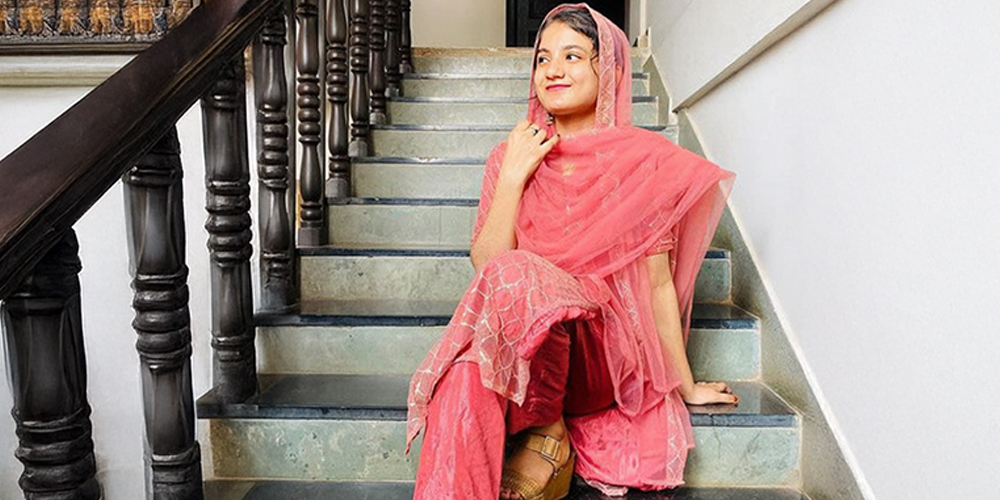
The house was lit when he arrived. “Aysha,” he called out. The bedroom door opened and she stepped out. Naked.
He started to speak. Stopped. His brain struggled to comprehend why she was naked. Then he looked up at her face. The look in her eyes defeated him more than the news clip and video had. He sank into the nearest chair.
“How long have you known it was coming?” he said.
“Basit—”
“Don’t.” His voice was even. He didn’t have the energy for volume. “I’m not going to shout at you. I just want to know how long.”
“Long enough to have everything arranged,” she said, sitting in the chair next to his.
He nodded.
“The Farid video,” he said. “That was you.”
“Of course it was me.”
Something in his chest that had still been hoping heard this and finished hoping. He sat with it.

“Farid was the easiest. The fool was most enthusiastic about fucking the wife of his political opponent. He found the idea”—a small, precise word — “arousing.”
“You planned the leaks.”
“Farid’s removal was necessary. Hassan would not move while Farid was in position to make his life difficult. Farid had to go.”
He heard himself say: “And Hassan.”

She looked at him steadily. “Hassan was different. Hassan was a willing participant in the conventional sense — no coercion, no deception, he knew who I was. What he didn’t know was why. The same method. The same result.” She tilted her head slightly. “He was also, it turns out, excited by the idea of fucking your wife. These men are not complicated.”
Basit sat with all of this, his head hanging low. “The whole time,” he said. “The strategy. The campaign. The suffrage movement.” He looked at her. “All of it?”
“All of it was real.” The first note of something sharper in her voice — not anger, a kind of insistence, a refusal to be mischaracterised. “The strategy was sound and it worked. The reforms have traction. The numbers were real, the movement was real, none of that was manufactured.” She leaned forward slightly. “I didn’t invent your ability, Basit. I built the conditions for it. Those are different things.”
“Then why—” He stopped. He started again. “If it was real, if the work meant something — why destroy it?”
“You shouldn’t have said no,” she said caressing his face. “I don’t like that word.”
“Jameel,” he said. The word tasted like something that had spoiled. “He was losing to me by thirty-five points.”
“Was.” She glanced at her phone, stood up and started walking towards the bedroom slowly. “His numbers will jump. By tomorrow he will be the clear favourite.” A pause that was almost gentle. “He already knows this. So do you.”
“He’s a snake.”
“He’s patient,” she said, turning around. There was something in the phrasing — the slight emphasis, the echo — that he didn’t understand until later. “He’s not you, Basit. He doesn’t believe in any of it. He is pragmatic, not ideological. He’ll keep what’s useful and table what isn’t. That’s manageable.”
“Aysha.” He heard his voice crack on it and hated the cracking. “We can — there’s a way through this. Not the presidency, but the work. If you believed in the work then help me rebuild — we can—”
She stopped at the bedroom door.
She turned back and looked at him with the expression from the wedding table — the one he had not been able to describe afterward, not warm and not calculating but both, simultaneously, a long-held satisfaction arriving at its conclusion.
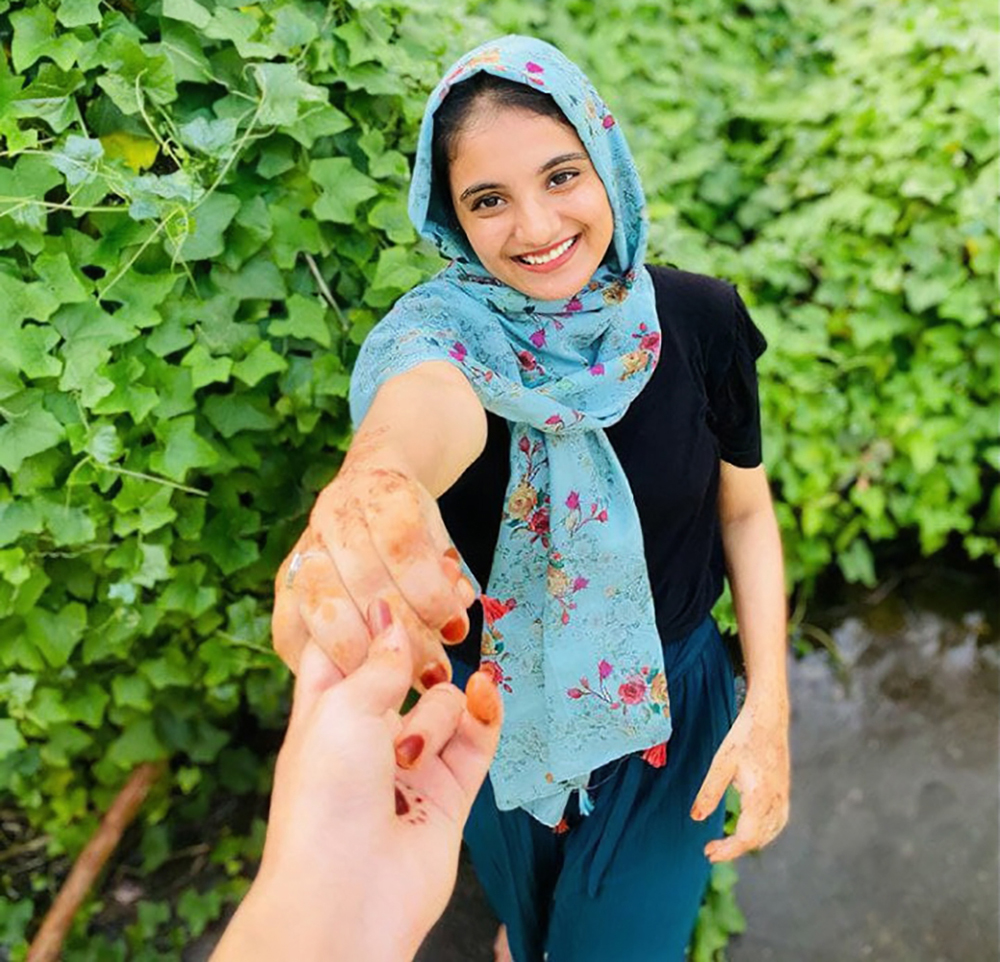
“Too late for that now, Basit.” A pause. “If you hadn’t said no, we would have been unbeatable.”
She reached back and pushed the bedroom door open.
Their bedroom was dimly lit, and in it Jameel Raza sat on the edge of the unmade bed — composed, watching the doorway, waiting with the patience of someone who has been told to wait and understood that waiting was the correct thing to do. The man who had been losing the race he would now win. The man who had been patient.
Aysha looked at Basit for the last time.
“You shouldn’t have said no, Basit.” She shut the door.
THE END
I always look forward to your feedback.
Please comment on the story to let me know what you liked about it.